The Washington issue
Washington Without the Mall, from the Cathedral to Hillwood
A calm, walkable day that starts on the highest ground in Washington and ends at a collector's mansion full of Russian imperial silver, plus the gardens, free churches and small house museums that fill the days on either side.

By Noa BergströmThe District, one neighbourhood at a time
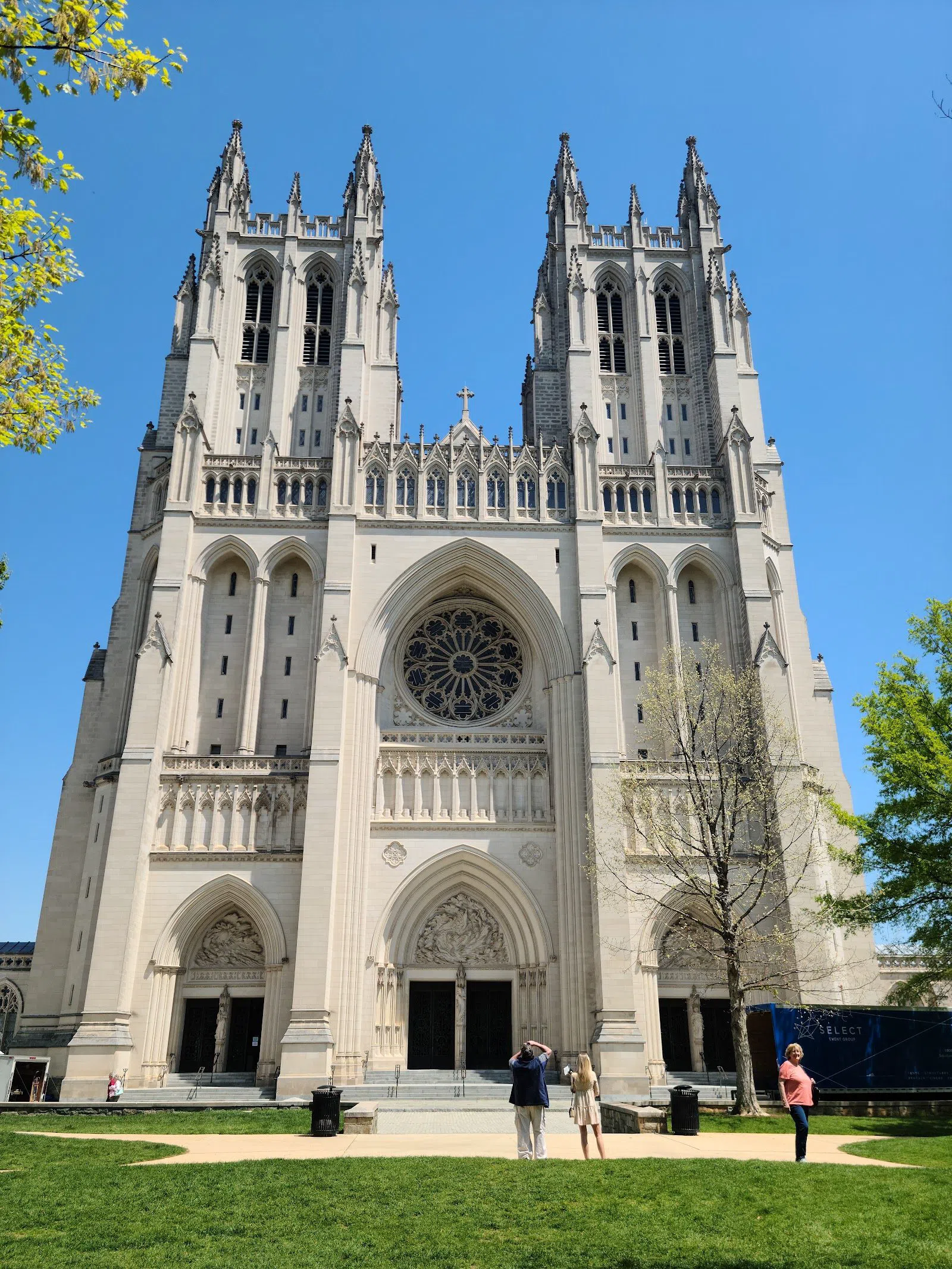
Washington National Cathedral sits on the highest ground in the city, and on a weekday morning you can walk in off Wisconsin Avenue without queuing for anything at all. Three and a half miles northwest of the Mall's marble, the capital keeps a second register entirely: gardens, private houses, a monastery with catacombs beneath it, and most of it free or under twenty dollars. This is a day built on that register, running from the cathedral on its hill to a collector's house in Forest Hills, with enough good alternatives to fill the days either side of it.
Starting on the cathedral's hill
Washington National Cathedral (Cathedral Heights) is the anchor, and it earns that on architecture alone. It is a twentieth-century building put up by nineteenth-century methods: load-bearing stone, flying buttresses, no steel skeleton. It was not finished until 1990, so the carving is sharp and the glass is modern enough to be strange. Stand in the nave for ten minutes before you start looking at anything specific; the scale only registers once your eyes adjust. Then find the Space Window, with its sliver of lunar rock set into the glass, and the west rose above the main doors.
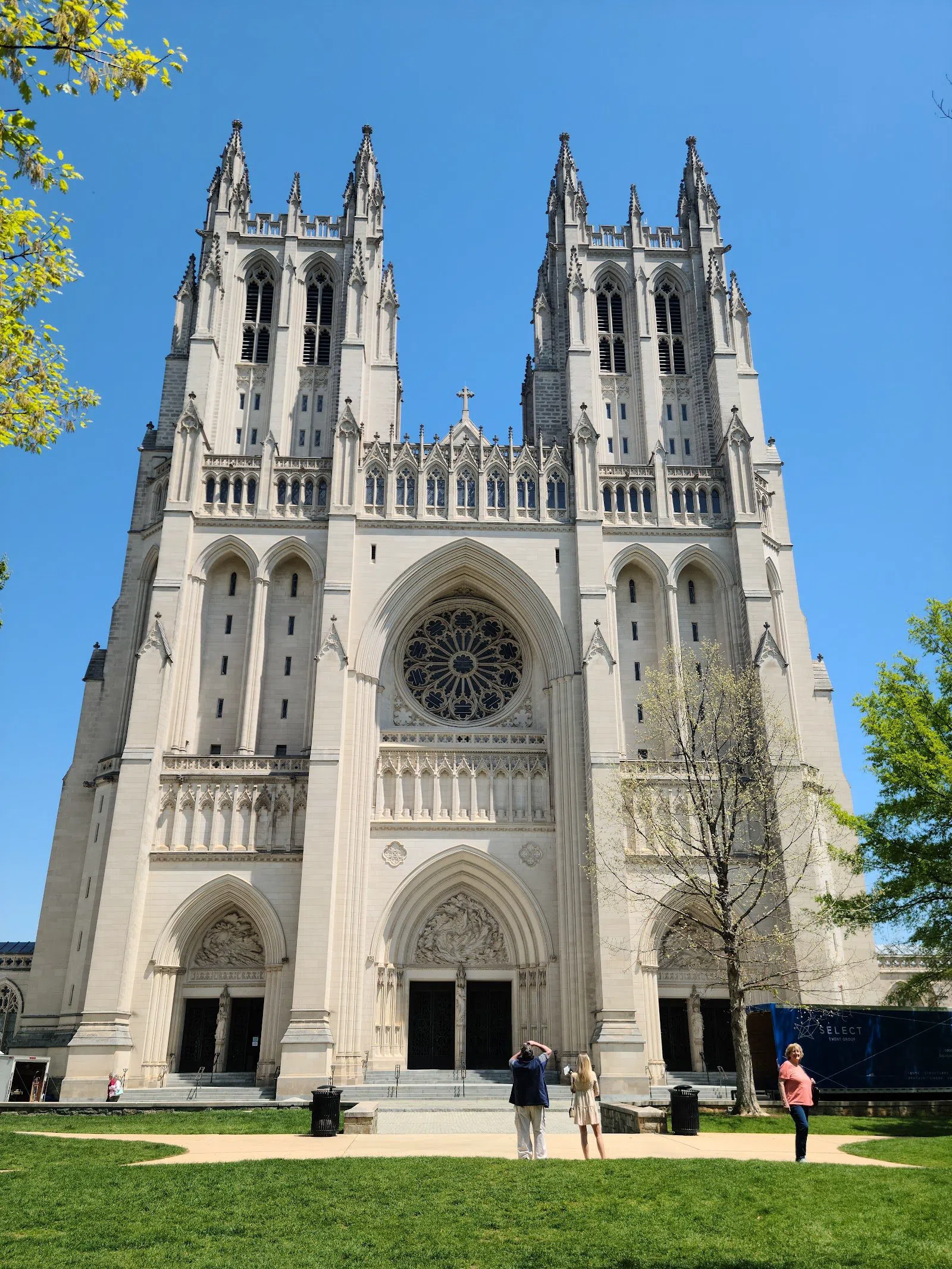
Admission is $15 for adults and $10 for youth 5 to 17, seniors 65 and over, students and military; under-fives are free. There is never a charge for worship or private prayer, which matters if you are here for the building as a building and happy to sit through a short service to see it in use. Walk-ins are fine for individuals and small parties. Groups of 20 or more must request an advance reservation, and the guided Spotlight tours and the tower climb run to fixed small-group caps, so book those before you travel rather than at the desk.
One honest caveat for 2026: the Garth and the All Souls Memorial Garden are closed for central-tower restoration and are not expected back before late autumn. The Bishop's Garden is unaffected and open, and it is the better of the two anyway, a walled, terraced, herb-and-boxwood garden dropping away from the south side, where the traffic noise on Wisconsin Avenue simply stops.
Allow ninety minutes for the nave and the Bishop's Garden, or two and a half hours if you take a tour. Services take precedence over sightseeing, so check the day's schedule before you fix an hour. There is no Metro station at the door: the nearest Red Line stops are a twenty-to-twenty-five-minute walk away, and the Wisconsin Avenue buses stop at the close itself.
Plan your Washington trip
Live prices from our booking partners.
Free cancellation on many rooms. We may earn a commission when you book.
Two miles north to Hillwood
From the cathedral, Hillwood Estate, Museum & Gardens (Forest Hills) is about forty minutes on foot through quiet residential streets, or ten to fifteen minutes by bus or rideshare. Do the cathedral first: it opens earlier, and Hillwood's last useful entry is mid-afternoon.
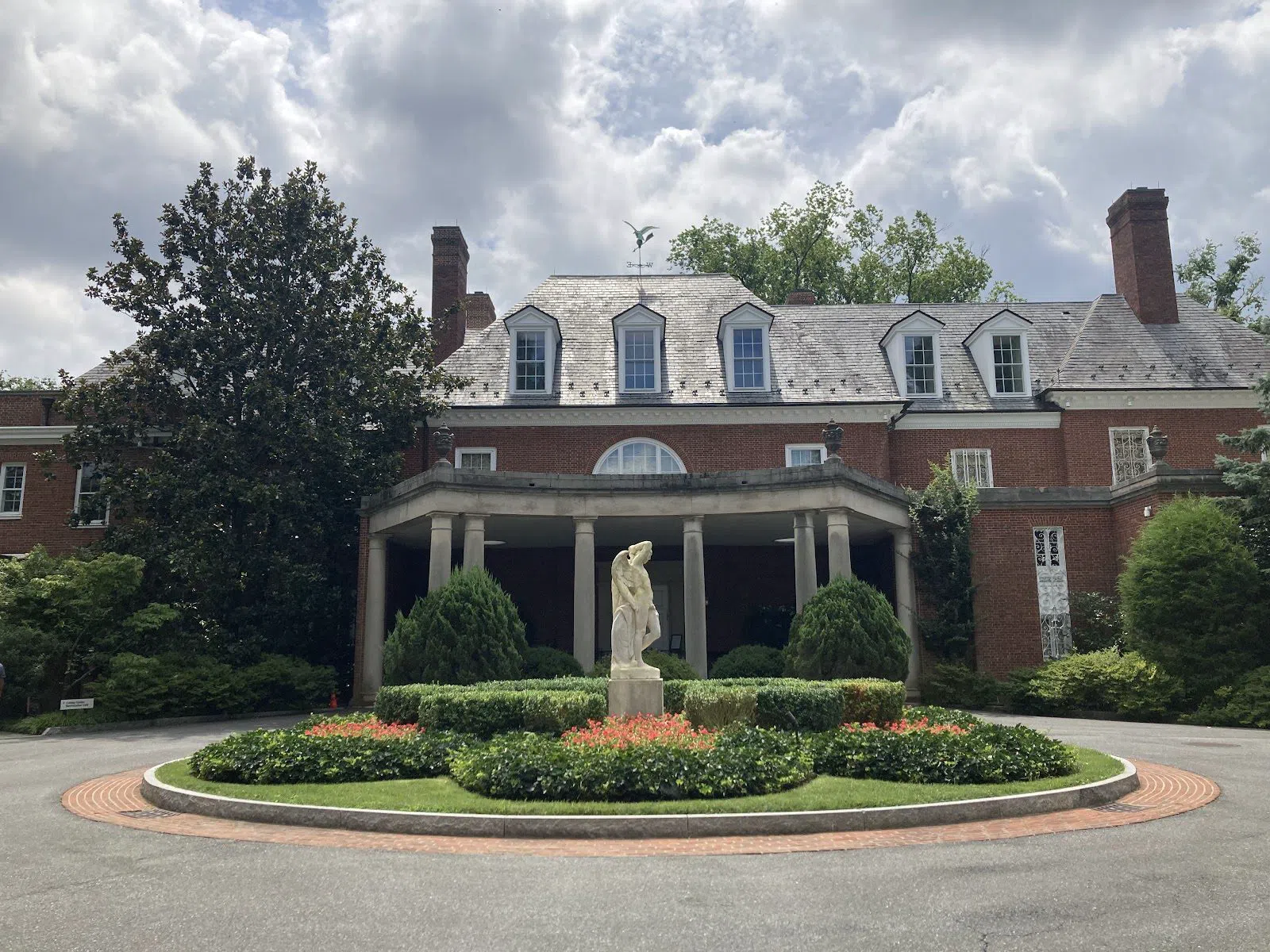
Hillwood holds the best Russian imperial collection outside Russia: Fabergé, Orthodox silver and icons, portrait miniatures, court porcelain, all of it bought in quantity and displayed in the rooms of a house that was lived in rather than in a gallery corridor. Around it sit thirteen acres of formal gardens (a French parterre, a Japanese-style hillside garden with water running through it, greenhouses of orchids), and those are worth as much of your time as the interiors.
Entry is a suggested donation of $20 for adults and $17 for seniors 65 and over, with a few dollars off when you book online in advance. The Merriweather Café handles lunch; mains are extra. The thing to check is the calendar: Hillwood closes on Mondays, on most national holidays, and for several weeks in January. Check before you build a day around it, because this is the single most common way this itinerary falls apart.
Groups of ten or more do not simply arrive. They book through Group Tours for a private docent-led mansion or garden tour, roughly $35 to $45 per head with a minimum party size, and dining groups of ten or more must pre-order about seven business days ahead. That structure makes it a strong group destination, though not a spontaneous one.
Give the house and gardens two and a half to three hours. Leaving, it is about fifteen minutes downhill to the Van Ness-UDC Metro.
Georgetown's two garden houses
If you have a second day, spend the morning of it in Georgetown, above the shops rather than in them.
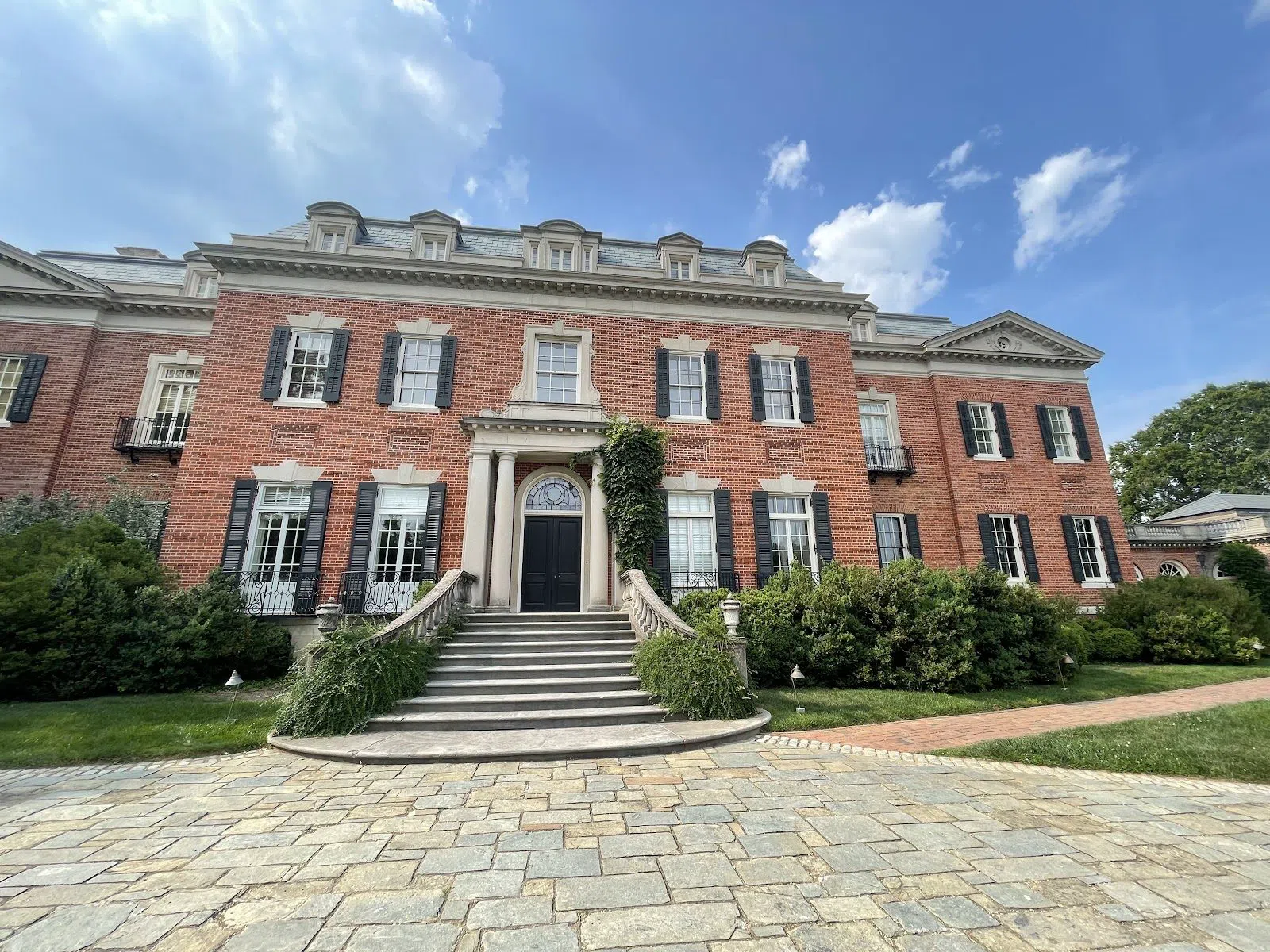
Dumbarton Oaks (Georgetown) is the finest garden in the city, or close to it: terraces, pools, an orangery, a wisteria-hung arbour, all designed to be walked in sequence rather than surveyed from one spot. The museum, with its Byzantine and Pre-Columbian collections, is free. The gardens are ticketed from mid-March to the end of October, a few dollars per person, by timed ticket bought in advance; nothing is sold at the gate, and there are no large-group walk-ups. The 2026 season passes have sold out and weekend slots go early, so book before you fly. In winter the gardens are free and need no ticket at all, an underrated way to see the bones of the design.
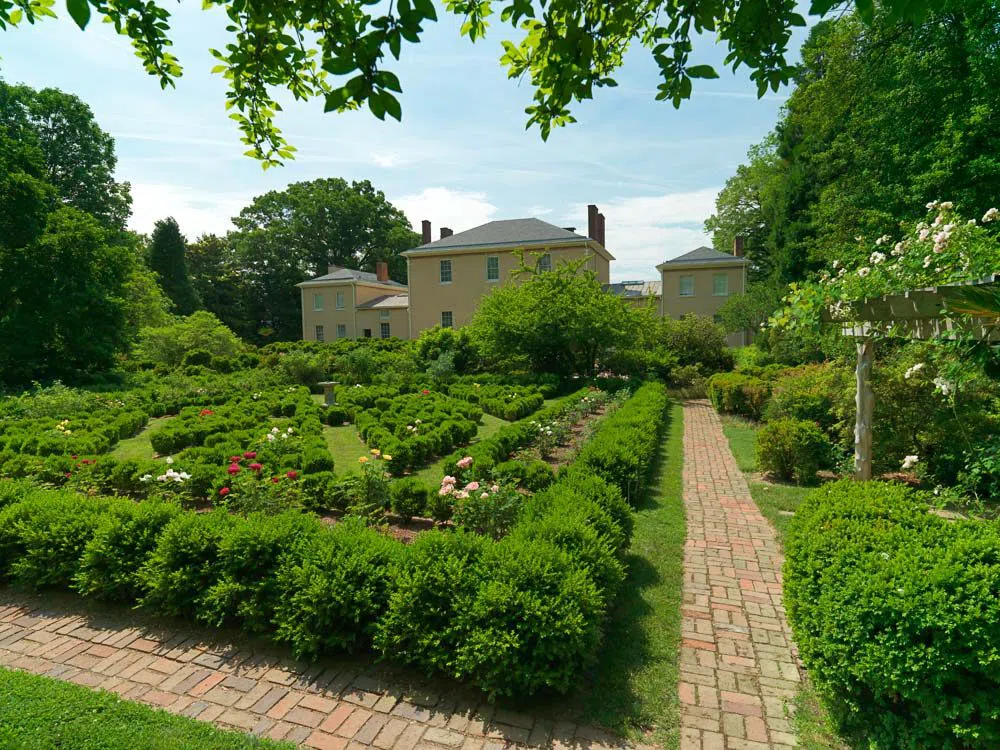
Ten minutes' walk away, Tudor Place Historic House & Garden (Georgetown) is the quieter proposition and, for some visitors, the more affecting one: six generations of a single family's possessions left in place in a William Thornton house, rather than a curated selection of the good bits. The house can only be seen on a guided tour, with the first at 10am (noon on Sunday) and the last at 3pm. Garden-only visits need no booking, but there is no entry after 3.30pm. Reckon on about $15 for the house tour and less for the garden alone, and note it is closed Mondays. Parties of ten or more must arrange in advance and pay a per-person fee. From the Georgetown waterfront it is a steady fifteen-minute climb, worth it for the garden even if the tour times do not suit.
Four front doors around Dupont Circle
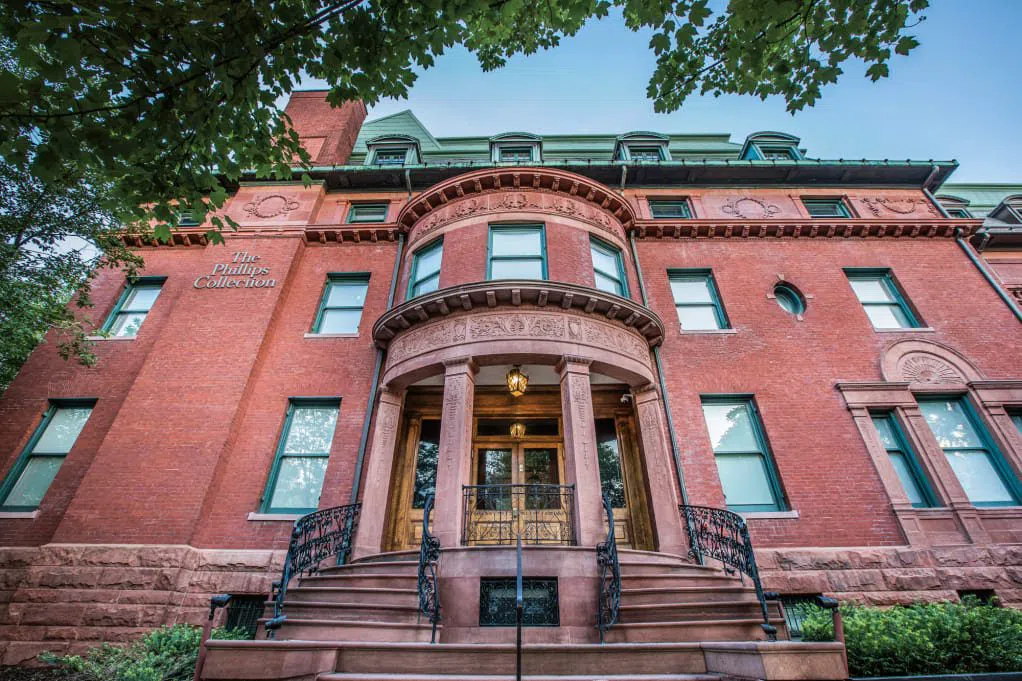
The Phillips Collection (Dupont Circle) was America's first museum of modern art and still feels like someone's house, because it was one. The hang is domestic in scale, the Rothko Room is a small room, and Renoir's boating party hangs where you can stand close to it. Admission is $20 for adults, $15 for seniors 62 and over, $10 for students and educators, free under 18, but it is pay-what-you-wish from 4pm to close, and free from 4pm on the third Thursday of each month, which makes it painless on a group budget. Closed Mondays; the first hour on Sundays is reserved for members. Larger parties should contact the museum ahead for timed entry.
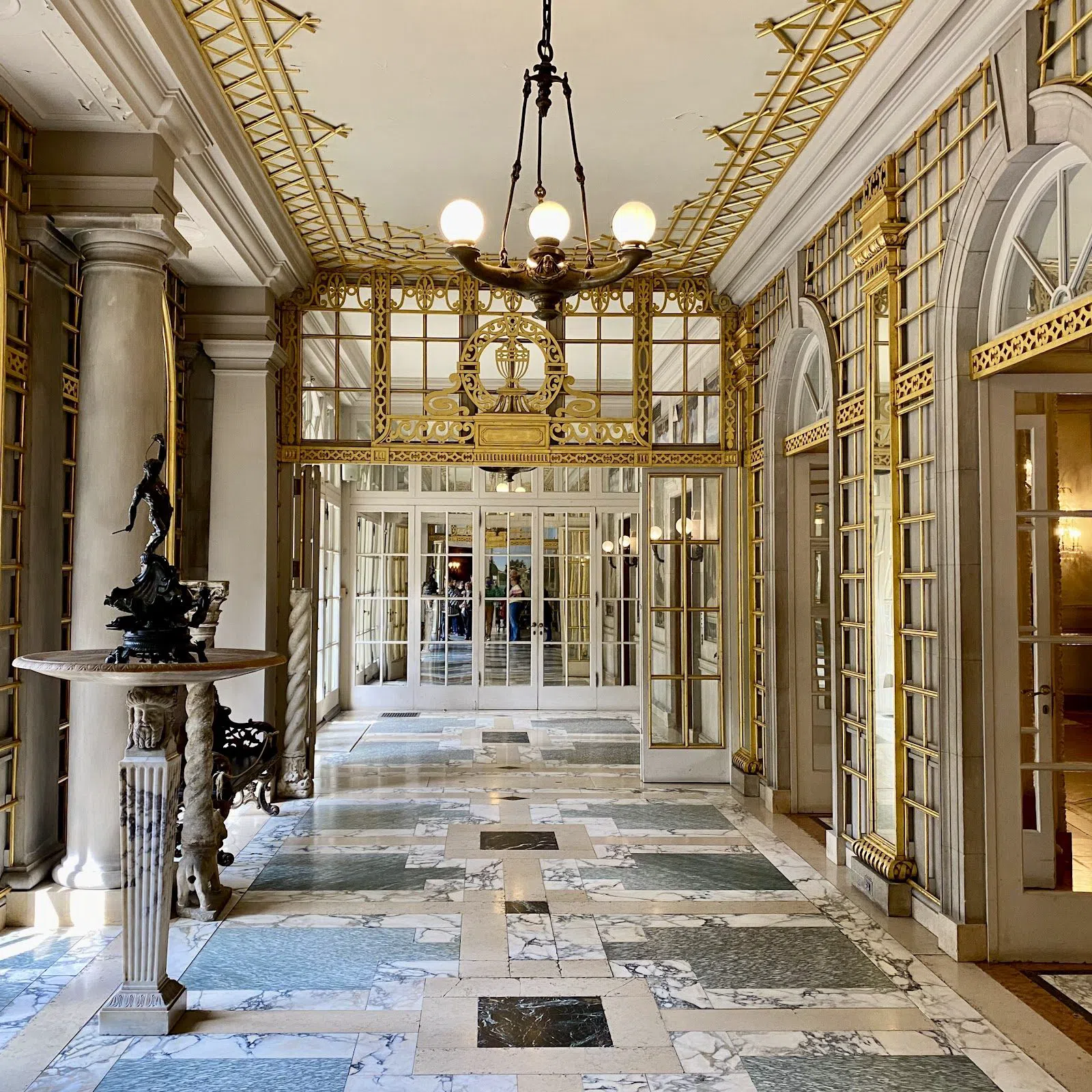
Anderson House (Embassy Row) is one of the very few original Embassy Row mansions the public can walk into, and it costs nothing. Free hourly guided tours start at quarter past the hour (first at 10.15am, noon on Sunday; last at 3.15pm) and run about an hour. It opens Tuesday to Saturday 10am to 4pm and Sunday noon to 4pm. Larger groups should arrange ahead with the Society that owns it.
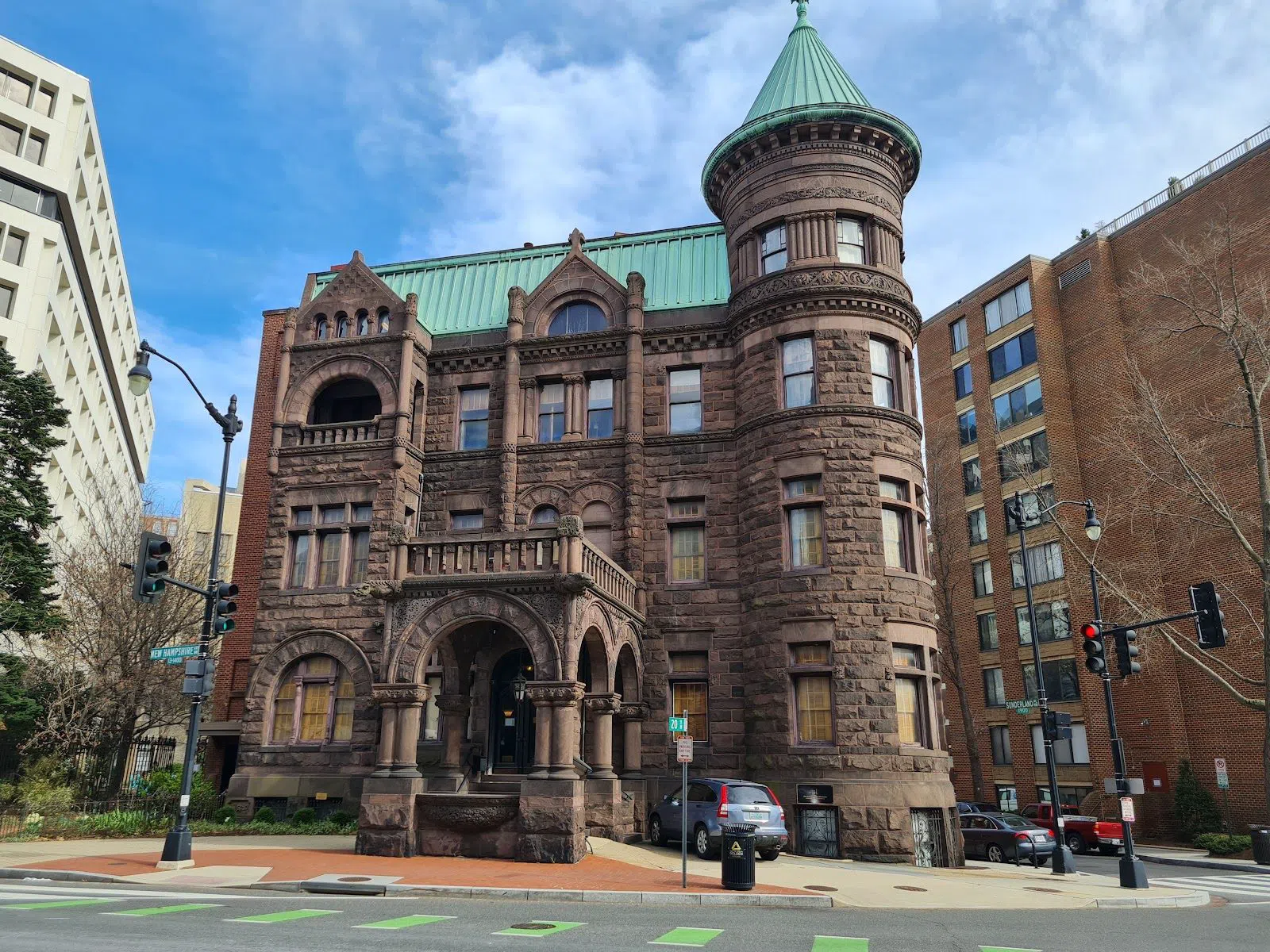
Heurich House Museum (Dupont Circle) tells its story from the point of view of the staff and the brewery workers rather than the usual great-man angle, and you can finish with a Senate beer in the garden. Public guided tours run Thursday to Saturday at 11.30am, 1pm and 2.30pm, with limited places, at $15 per ticket (raised from $13 in April 2026). Book ahead; groups should email the museum's tours address for a dedicated slot. The biergarten absorbs larger parties far more comfortably than the house does. Three days a week is a narrow window, so slot it in deliberately.
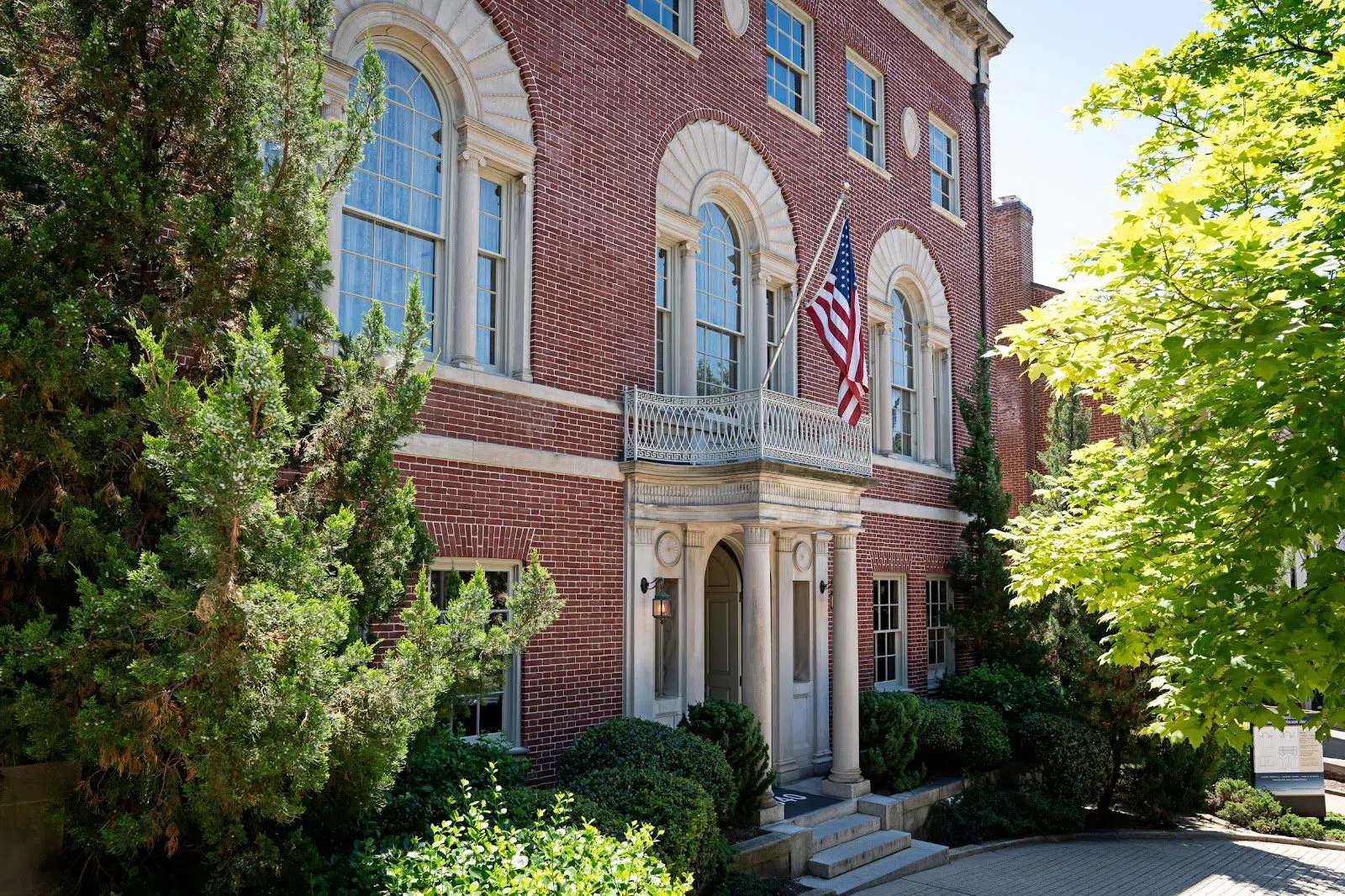
President Woodrow Wilson House (Kalorama) is the only presidential home in the capital open to the public. All visits are guided and must be reserved in advance: hour-long and thirty-minute general tours run on Saturdays, with specialty tours during the week, at around $15 for adults. The current exhibition on race and civil liberties in Wilson's Washington gives the house a considerably more honest frame than it once had. The Saturday-only general schedule is the constraint, so fix a date before you plan around it.
A downtown museum that stays calm
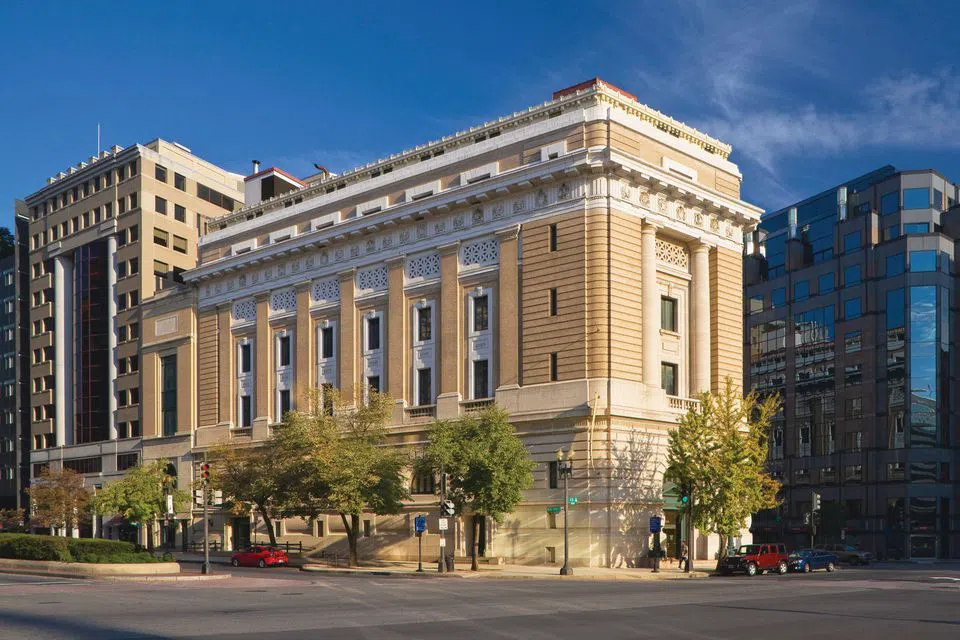
National Museum of Women in the Arts (Downtown) is the only major museum anywhere dedicated solely to women artists, and since its full renovation it is both better to walk through and still markedly less crowded than the Mall equivalents. Entry is $16 for adults 22 and over, $13 for DC residents, seniors 65 and over, educators and military; free for under-21s and visitors with disabilities; and free for everyone on the first Sunday and second Wednesday of each month. Closed Mondays, open late to 8pm on the third Wednesday. It handles groups well and sits where a coach-free walking itinerary can actually reach it; larger parties should book ahead.
Free acres in the northeast
The northeast quadrant is where Washington gives away its best land.
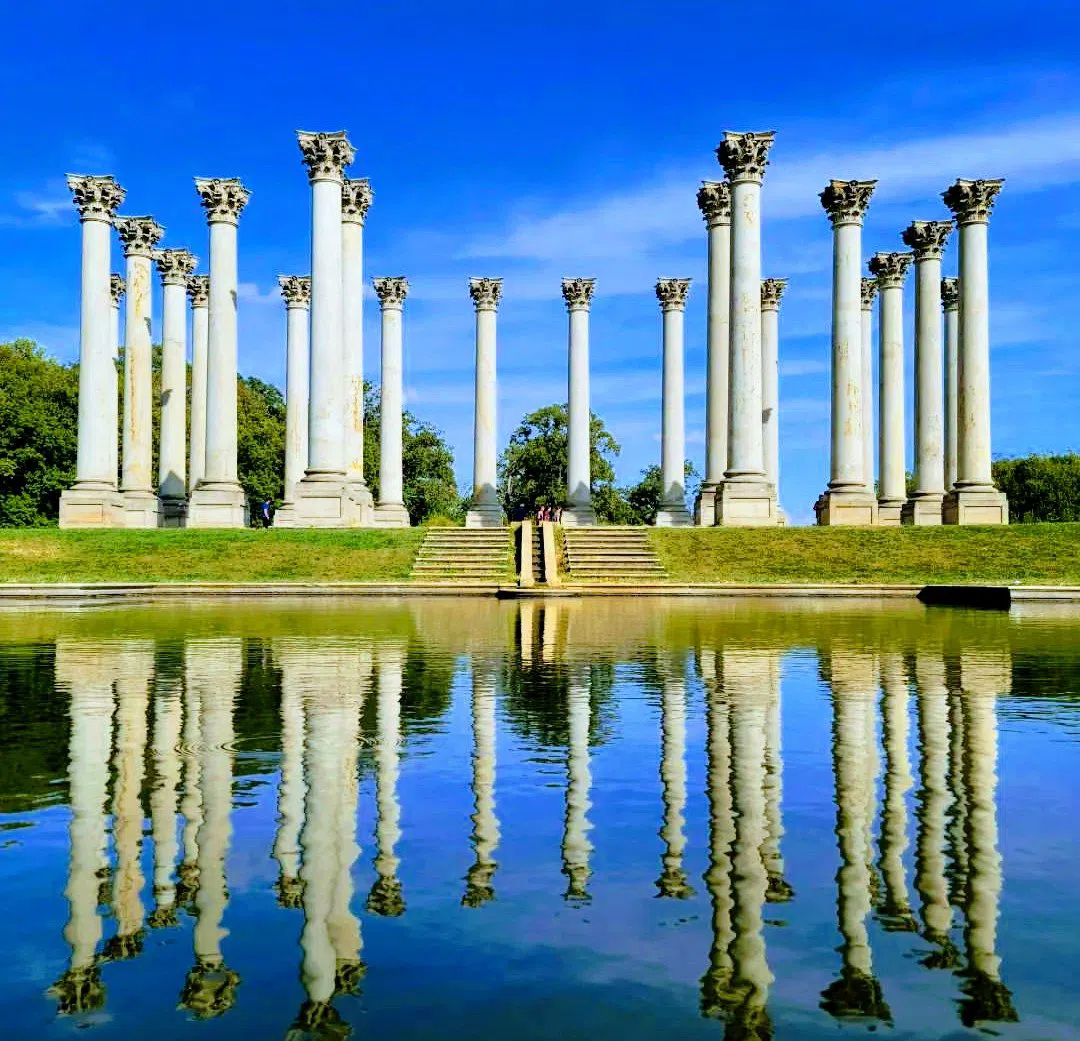
U.S. National Arboretum (Northeast) is 446 acres, free, and close to empty on weekdays. The Capitol Columns, twenty-two sandstone columns from the old Capitol portico standing in open meadow, give you the monumental photograph without the monumental crowd. Open daily 8am to 5pm with last entry at 4.30pm, closed Christmas Day; the bonsai and penjing museum runs 10am to 4pm. There are no restrictions on general visiting, but coaches and large organised groups should contact the Visitor Center ahead about parking and guided options.
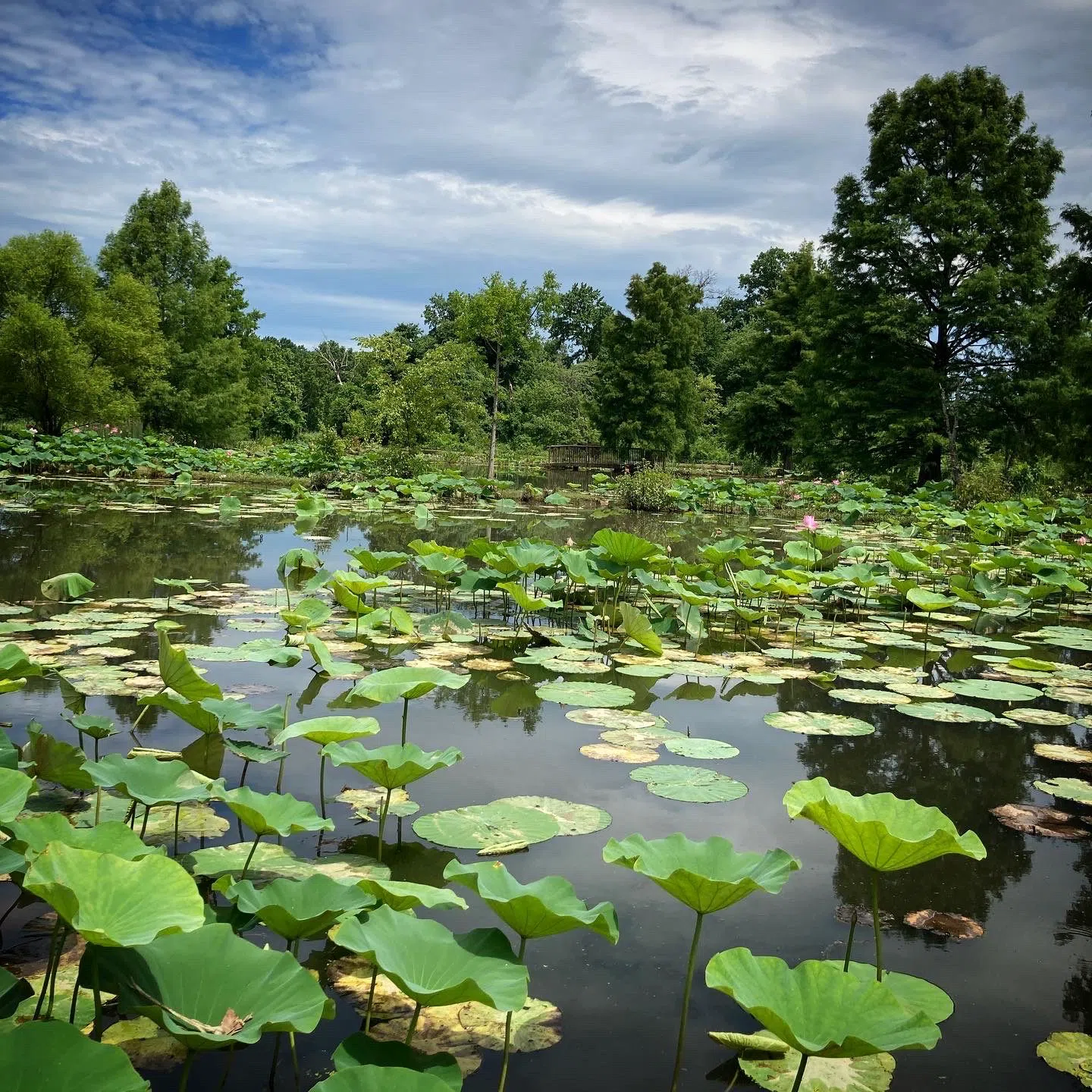
Kenilworth Park & Aquatic Gardens (Northeast) is the only national park devoted to aquatic plants, free and unticketed, fine for any size of party. Time it for July into mid-August when the lotuses are up and standing chest-high over the ponds; outside high summer it is marsh and birdlife rather than flowers, which is its own reward if you know that going in. Hours are 8am to 4pm for most of the year, later on summer Wednesdays to Sundays. Ranger-led walks and organised tour groups should contact the park in advance. Deanwood Metro is about ten minutes away on foot.
Franciscan Monastery of the Holy Land in America (Brookland) is free, donations appreciated, and easy to bring a group to. The catacombs and lower church can only be seen on the guided tour, which runs Monday to Saturday at 10, 11, 1, 2 and 3, and Sunday at 1, 2 and 3; reservations are required for six or more. The upper church and the gardens are open for self-guided wandering 9am to 4pm Monday to Saturday, and free garden tours run on Saturdays from April to September.
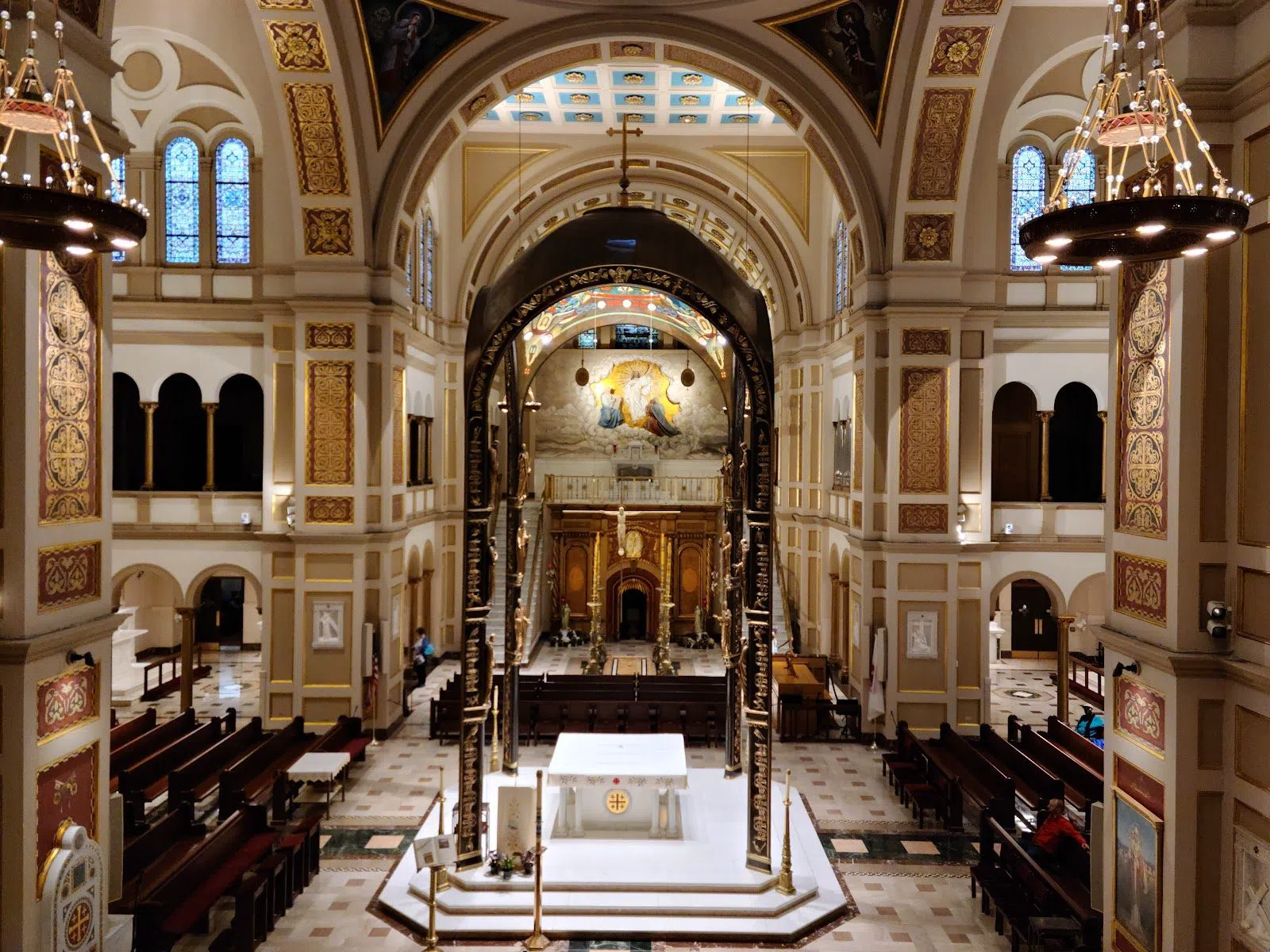
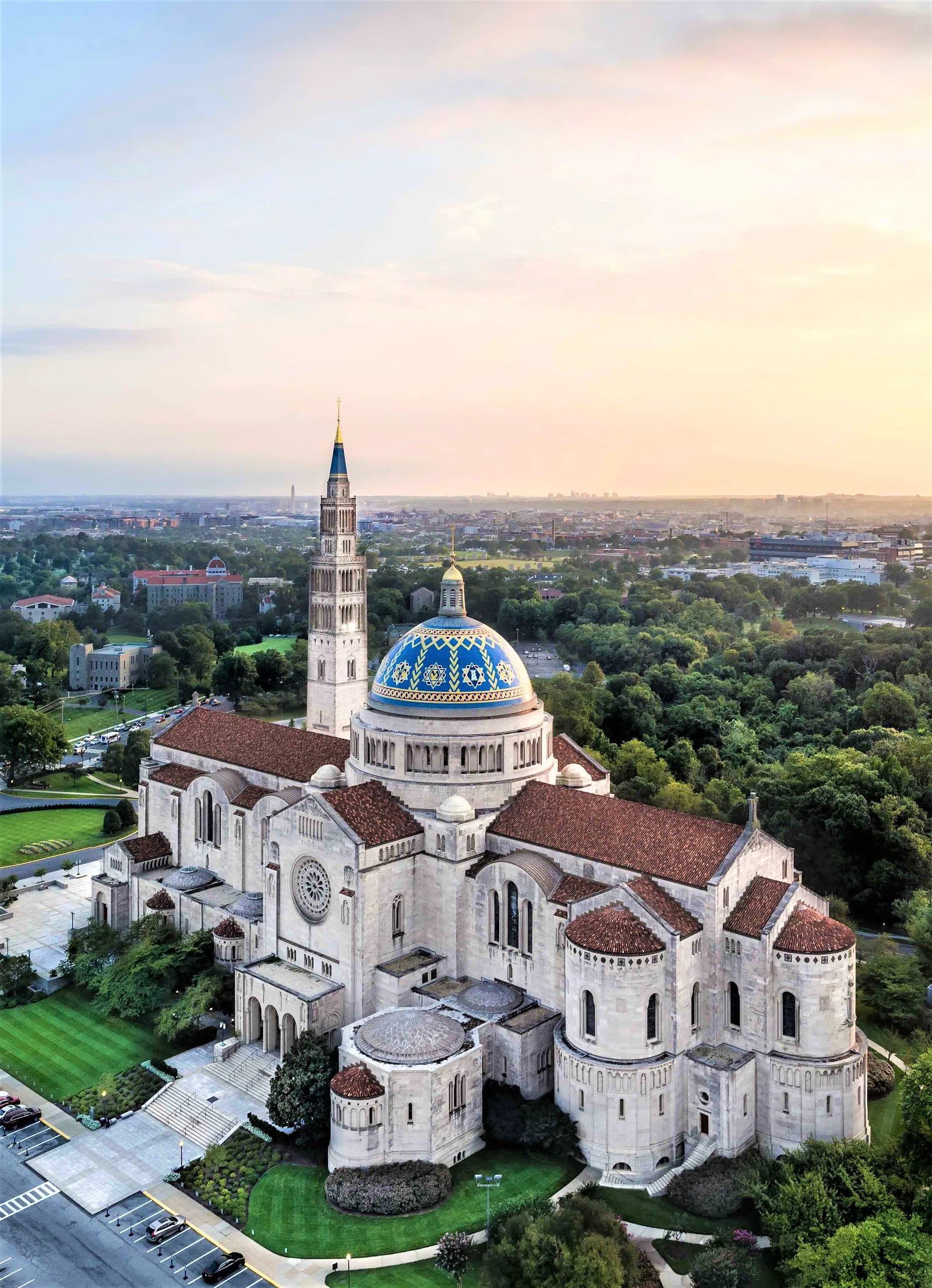
Ten minutes away, the Basilica of the National Shrine of the Immaculate Conception (Brookland) is the largest Catholic church in North America and a serious piece of mosaic art whatever you believe. It is free and open daily 7am to 6pm. It is also built for groups in a way almost nothing else here is: guided tours capped at 30, a twenty-minute seated overview in the Great Upper Church for parties up to 100, and a pilgrimage request process for groups of 30 to 150. Tours are available in Spanish, in ASL and in sensory formats with notice. The national chapels, each given by a different country's Catholic community, make it unusually rewarding for an international visitor.
Lincoln's summer house in Petworth
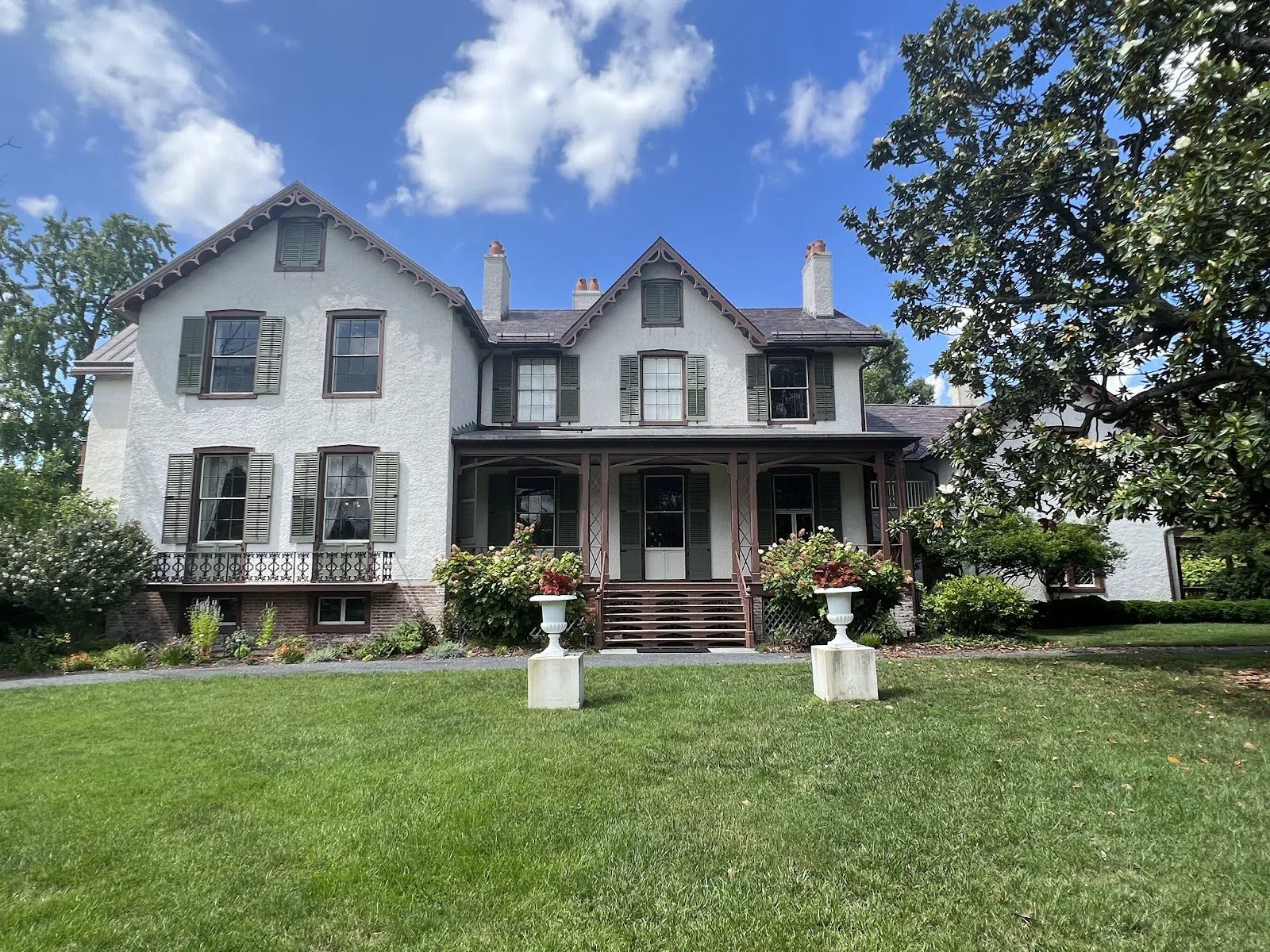
President Lincoln's Cottage (Petworth) is the sparest and most thoughtful presidential site in the city: the house where Lincoln drafted the Emancipation Proclamation and from which he rode into town each day. The interiors are tour-only, on the hour from 10am to 3pm, about an hour each, around $15 for adults and free for visitors on SNAP through Museums for All. Advance booking is strongly recommended and essential for groups. The grounds and the Visitor Education Center are free and need no ticket, and the site is open 9.30am to 4.30pm daily.
Two collections worth the fare
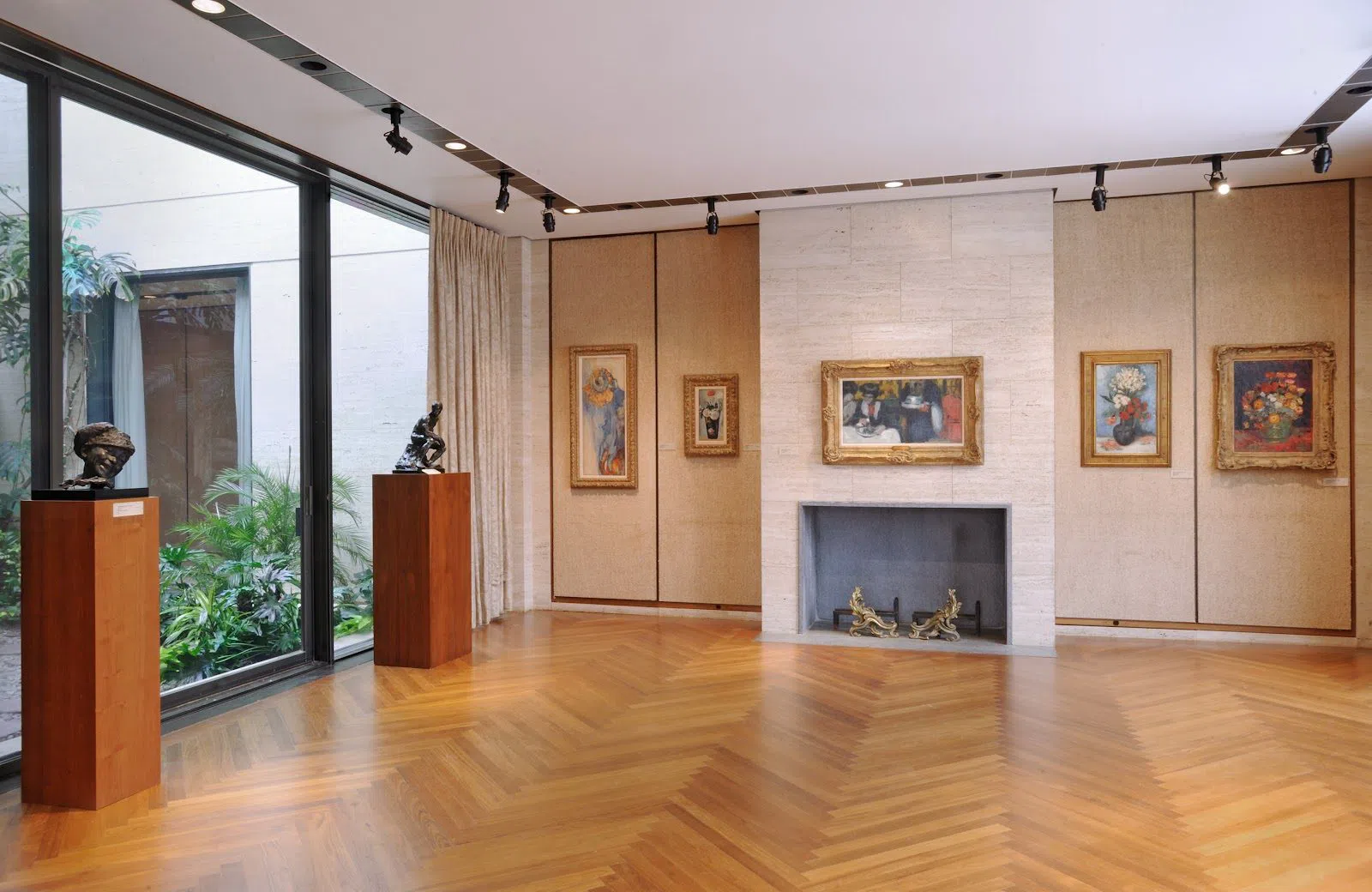
The Kreeger Museum (Foxhall) is a great collection in a private house, a Philip Johnson design, domestic in scale, with the pictures hung as the owners hung them. It buys you one of the quietest hours available in Washington. Open Tuesday to Saturday 10am to 4pm only, grounds close at 4.15pm, $15 for adults and $10 for students, educators and seniors 62 and over, free under 18. Public gallery tours run Fridays at 2pm and Saturdays at 11.30am and 2pm, capped at 15, and any party over five should email ahead. The lower galleries involve about thirty stairs. There is no Metro nearby; take a cab.
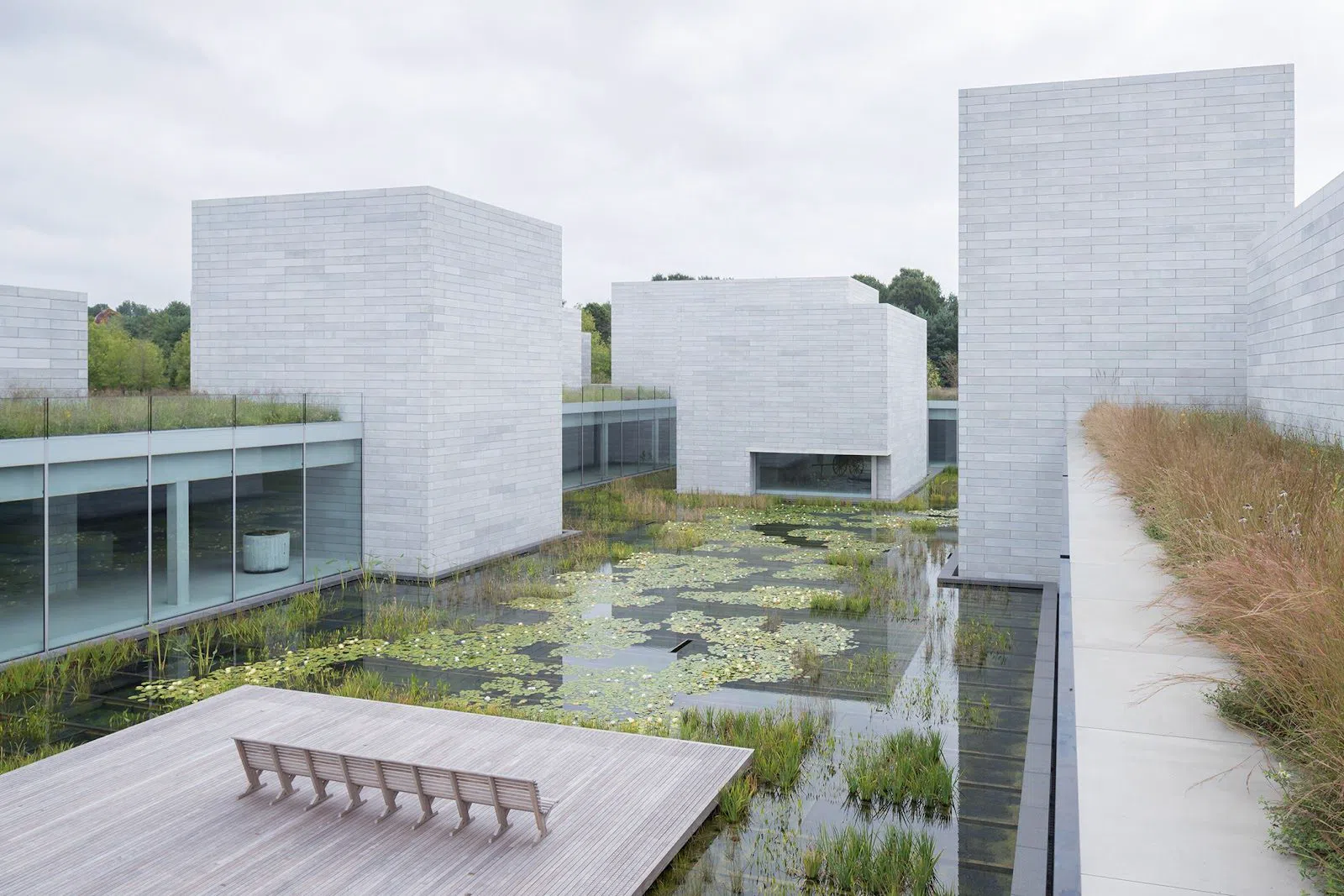
Glenstone (outside the District, in Maryland) is the most complete quiet-day experience in the region, with art, architecture and landscape treated as one thing and attendance deliberately capped so the meadows stay empty. Entry is free but timed passes are compulsory: they are released on the 1st of each month at 10am, covering that month and the next, with arrivals on the half hour between 10am and 3pm. It opens Thursday to Sunday 10am to 5pm, with Saturdays extended to 8pm from late May to early September. You need a car or a rideshare, and it is not built for large groups, so book individually and go on a Thursday or Friday.
Doors, groups and what actually turns people away
The pattern is consistent once you see it. The churches and the federal land absorb any number of people and cost nothing: the Basilica, the monastery, the Arboretum, Kenilworth, and the cathedral too, price aside. The house museums do not. Tudor Place, Heurich House, the Wilson House, Lincoln's Cottage and the Kreeger are all tour-only or effectively tour-only, with caps between 15 and 30, and a party of ten walking up unannounced will be turned away or split across hours. Dumbarton Oaks is the one that catches people out hardest, because there is no gate sale at all in the warm season and the good slots are gone weeks ahead.
If you are two people, you can improvise most of this and only need to book Dumbarton Oaks, Glenstone and any Heurich or Wilson House tour. If you are ten or more, build the day around the Basilica, the monastery, the Arboretum and a pre-arranged Hillwood group tour, and treat the small houses as optional extras for whoever wants them. More detail on districts and getting between them sits in the Washington guide.
Practical notes
Metro reaches the Phillips, the Basilica, Hillwood, Lincoln's Cottage and Kenilworth within a ten-to-twenty-minute walk of a station; it does not reach the cathedral, the Kreeger or Glenstone. Buy a SmarTrip card or tap a phone at the gate. Budget for two or three short rideshares across the day, the cathedral-to-Hillwood leg and the run out to Foxhall being the obvious ones. Glenstone needs a car or a ride, with no transit alternative.
You will not need cash. Every venue here takes cards, and several want you to book and pay online in advance anyway. Keep a little for tips and the café.
Mondays are the trap: Hillwood, the Phillips, Tudor Place and the Women in the Arts museum all close, and Glenstone does not open until Thursday. Build Mondays around the Basilica, the monastery, the Arboretum and the cathedral. Start at the cathedral by 10am to have Hillwood comfortably in the afternoon. Aquatic-garden lotuses mean July into mid-August; gardens generally are at their best from April to October, though Dumbarton Oaks in winter is free and beautifully empty.
The full flagship day of cathedral admission, Hillwood donation and lunch at the café lands around $50 per person. A day built on the Basilica, the monastery, the Arboretum and Kenilworth costs nothing but transport. Between those extremes, arriving at the Phillips after 4pm or hitting the Women in the Arts museum on a free day cuts a typical museum day by half.
Upper Northwest puts you within walking distance of both the cathedral and Hillwood and is quieter at night than downtown; Dupont Circle is the better base if you want the house museums and dinner in the same evening. Compare both on the Washington hotel search.
Before you go
How do I get from Washington National Cathedral to Hillwood?
It is roughly two miles, about forty minutes on foot through quiet residential streets, or ten to fifteen minutes by bus or rideshare. There is no Metro station at the cathedral, though Van Ness-UDC is about a fifteen-minute walk from Hillwood when you leave. Do the cathedral first, since it opens earlier and Hillwood's last useful entry is mid-afternoon.
Is Hillwood open every day?
No. Hillwood is closed on Mondays, on most national holidays, and for several weeks in January. Check the calendar before you plan around it. Entry is a suggested donation of $20 for adults and $17 for seniors 65 and over, with a few dollars off when you book online in advance.
Do I need to book Dumbarton Oaks gardens in advance?
Yes, from mid-March to the end of October. Garden entry is by timed ticket, bought online per person, and nothing is sold at the gate, so you cannot walk up. The 2026 season passes have sold out and weekend slots go early. In winter the gardens are free and need no ticket, and the museum is free year-round.
Which of these places are free?
The Basilica of the National Shrine, the Franciscan Monastery, Anderson House, the U.S. National Arboretum, Kenilworth Park & Aquatic Gardens and Glenstone all cost nothing, though Glenstone still requires a free timed pass, released on the 1st of each month. The Phillips Collection is pay-what-you-wish from 4pm, and the cathedral is free for worship or private prayer.
What works for a group of ten or more?
The Basilica, the monastery, the Arboretum and Kenilworth take any size of party, with advance contact for guided options. Hillwood handles groups of ten or more through its Group Tours programme at roughly $35 to $45 per head, and dining groups must pre-order about seven business days ahead. Do not count on the small house museums: Tudor Place, Heurich House, the Wilson House and the Kreeger are tour-only with tight caps, and Dumbarton Oaks does not accept large-group walk-ups.