Washington doesn't so much have libraries as it has verdicts, filed alphabetically. Every branch of government, every learned society, every university that has ever needed to remember something has built a room to keep the paper trail, and an unusual number of those rooms will let a stranger in if they know to ask. This is a walking circuit through ten of them, federal, private, and academic: the places where a city built on argument keeps its receipts, where you can go sit with the actual paper for the price of showing up at the right hour.
None of this requires a research credential you don't have. A same-day card, a photo ID, an email sent a week ahead: that's the whole barrier, in most cases. What it does require is knowing which rooms are drop-in and which are appointment-only, because showing up at a scholars' reading room expecting a Rotunda experience is the fastest way to be turned away at a desk. Below, grouped the way you'd actually walk them.
Start at the reading rooms anyone can walk into
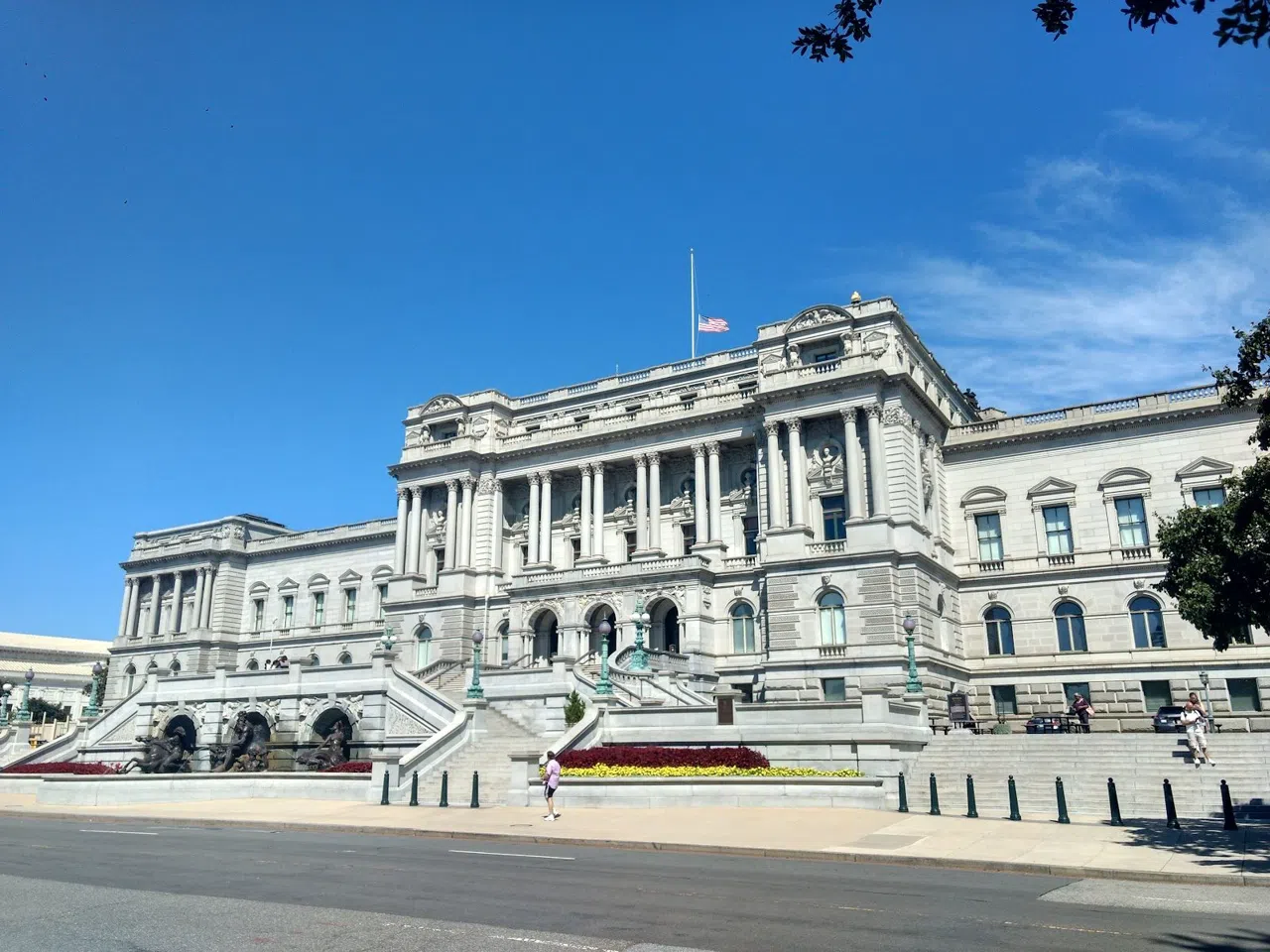
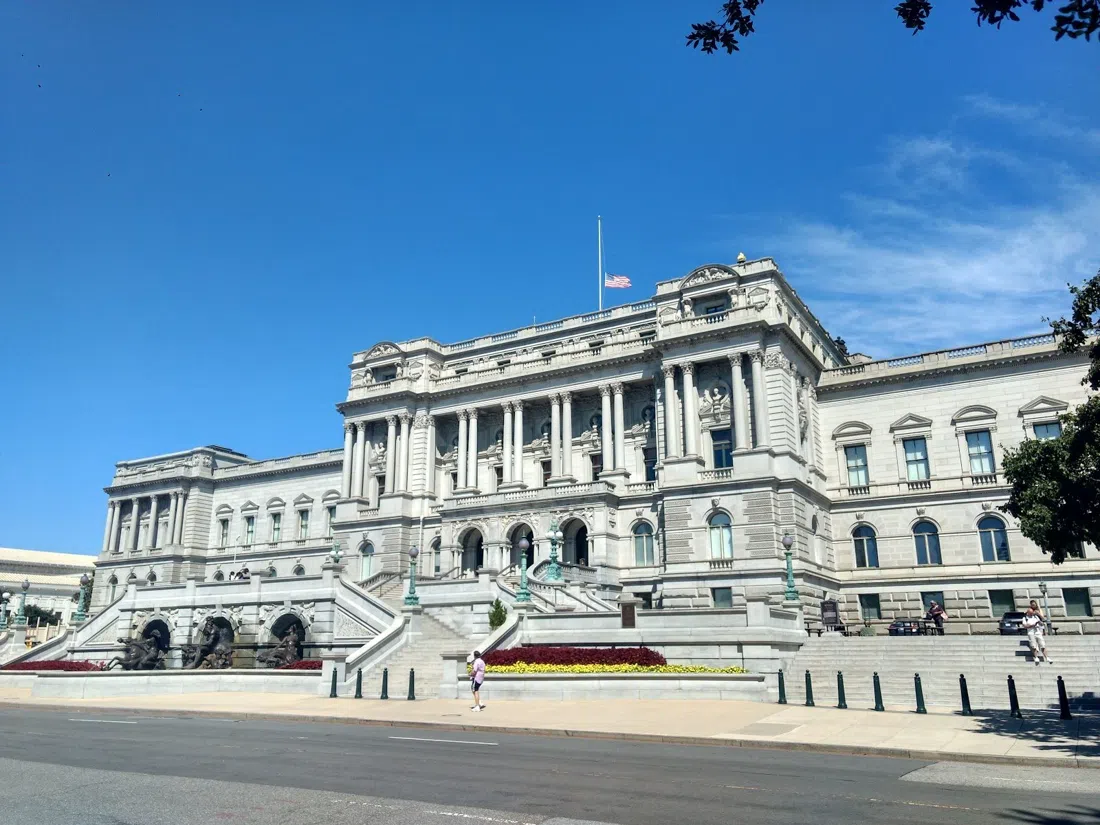
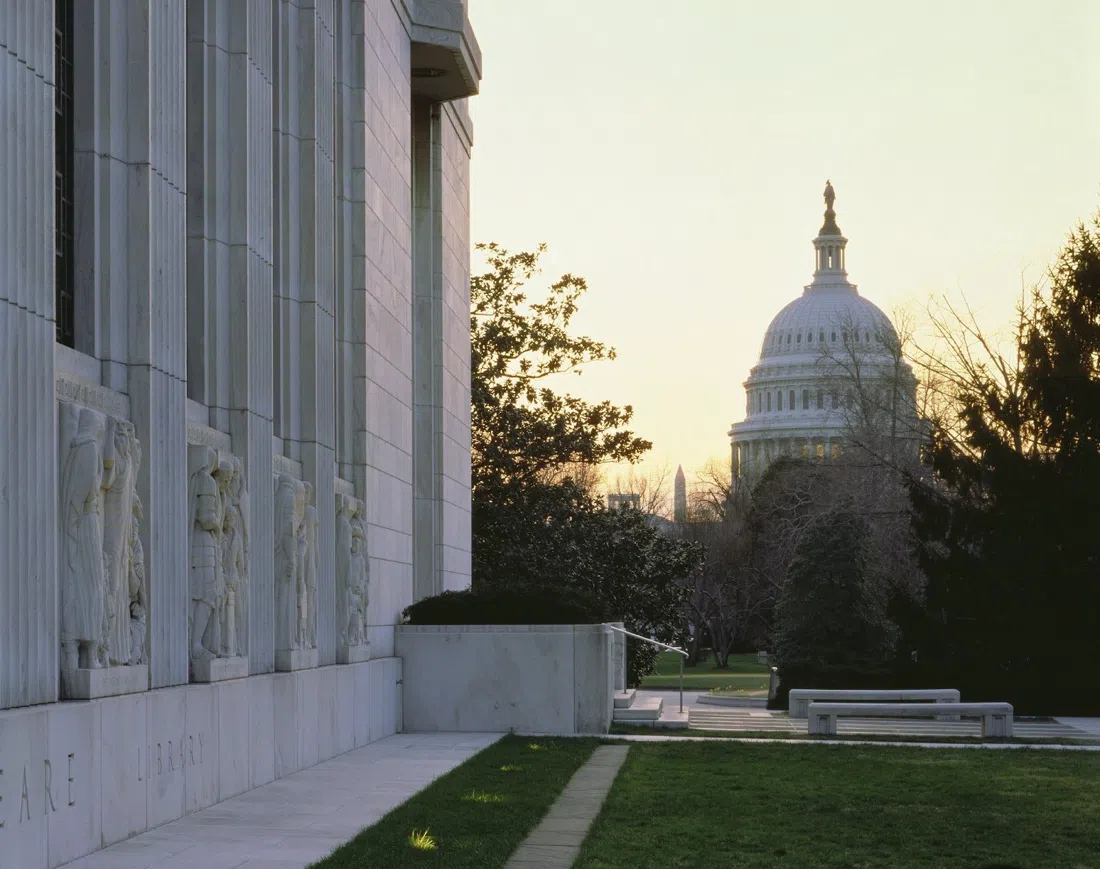
The Library of Congress (Capitol Hill) is the literal seat of the theme, Congress's own library, and the only stop on this circuit that pairs a room worth seeing today with a working rare-book room you can be issued a card for on the spot. The Main Reading Room, under its 160-foot dome in the Thomas Jefferson Building, needs a free timed-entry ticket booked ahead through the visitor office; large or reserved group tours go through the same office. Two floors away, the Rare Book and Special Collections Reading Room, built around Jefferson's own personal library (the one he sold Congress after the British burned the first collection in 1814), is open to any adult who walks in with photo ID and fills out a same-day researcher card. No appointment, no credential, no fee. You can be looking at a first edition within twenty minutes of deciding to.
Two blocks southeast on East Capitol Street sits the Folger Shakespeare Library (Capitol Hill), which reopened in 2024 after the deepest renovation in its history: new below-ground galleries, a rebuilt garden, and rare-book holdings that feel freshly relevant rather than a legacy stop most guidebooks list out of habit. The public exhibition spaces run on timed entry with a suggested $15 donation and take groups comfortably. The working Reading Room itself, where the actual First Folios live, is registered-researcher only (eighteen and up, free researcher ID, not a walk-in proposition), so a group visit here means the exhibits and the garden, not the reading room, worth knowing before you build an itinerary around it.
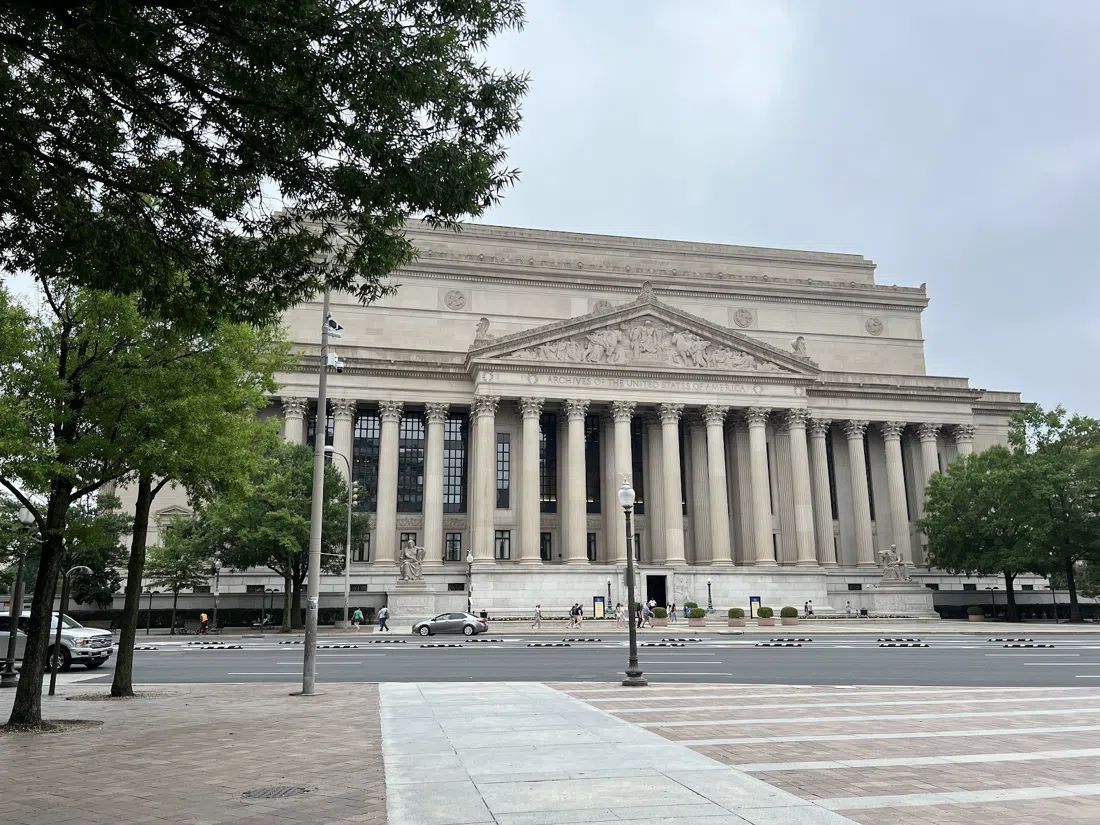
From the Folger, it's roughly a mile and a quarter west along the Mall to the National Archives Museum (Penn Quarter), twenty-five minutes on foot, or one stop on the Metro to Archives-Navy Memorial. The Rotunda and Research Room are free with online timed tickets encouraged, and the visitor office handles group reservations directly. What makes 2026 a good reason to return, rather than a rerun of a school trip: the Emancipation Proclamation is joining the permanent Rotunda display in January, and the 19th Amendment follows in March, new company for the Declaration, the Constitution, and the Bill of Rights that usually anchor the room.
Those three fill a single Capitol Hill-to-Penn Quarter day comfortably, federal hours permitting, and none of them demand more than an ID and a little planning ahead.
Private libraries that open their doors if you ask
A different register entirely: society libraries built by people with money and a cause, mostly clustered around Dupont Circle, none of them advertised the way the federal buildings are.
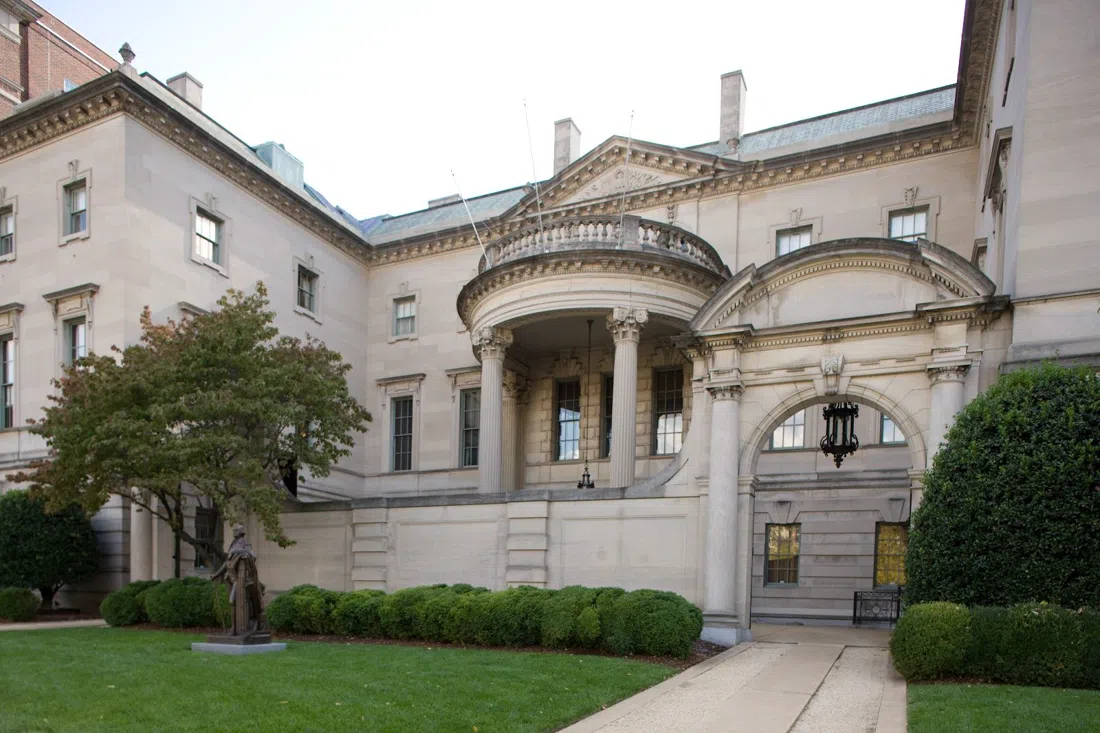
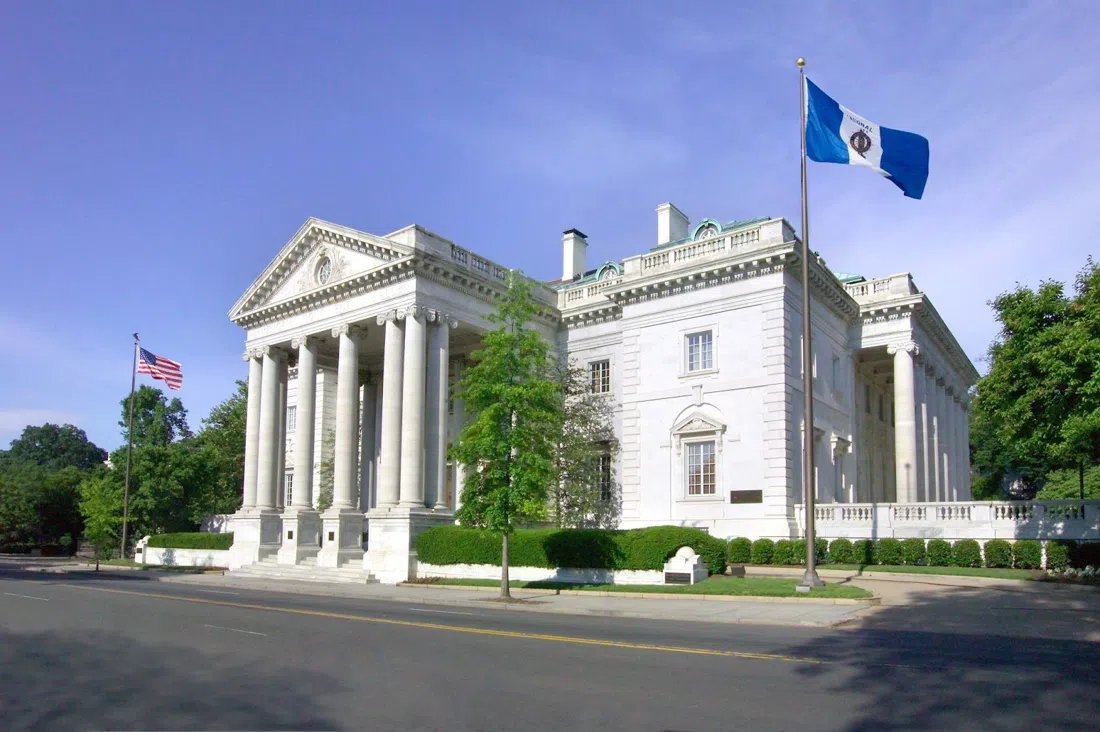
Anderson House (Dupont Circle) is one of Washington's most overlooked free museums: a Gilded Age mansion built for a diplomat, now home to the American Revolution Institute of the Society of the Cincinnati. The mansion itself is drop-in, Tuesday through Saturday 10 to 4 and Sunday noon to 4, free, with none of the queueing that defines the Mall. The research library and archive behind it is a different animal: appointment-only, weekdays 10 to 4, email ahead, and not really built for group visits, so treat the mansion and the library as two separate trips even though they share an address.
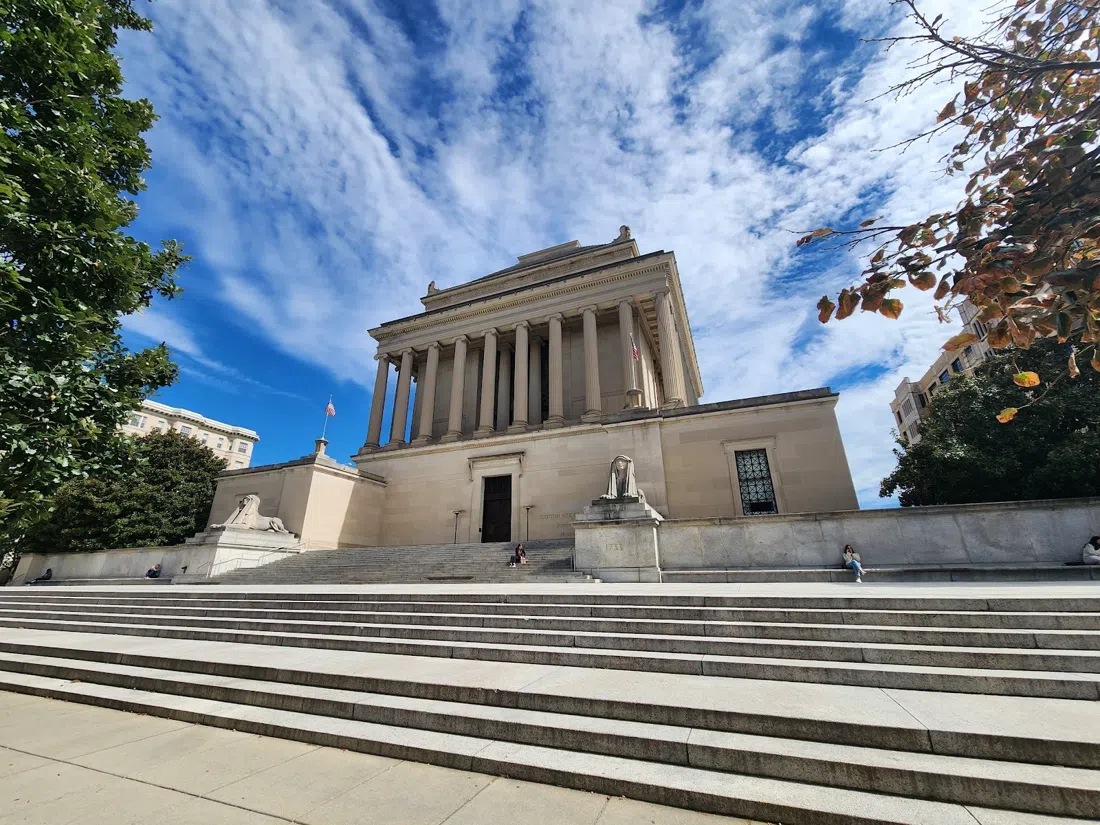
About a mile north, up toward 16th Street, the House of the Temple (Scott Circle) holds the Scottish Rite Masonic Library: the twist is that this is the first library in Washington ever opened to the public, and it still is. Free ninety-minute public tours run Monday through Thursday and take groups without difficulty, but call ahead first (202-232-3579) to confirm the building is open before you arrive, especially with a group in tow; this is an active Masonic building, not a museum with fixed public hours.
South toward the White House, better reached by Metro to Farragut West than on foot, the DAR Library (Foggy Bottom) belongs to the Daughters of the American Revolution and became fully free to the public in recent years, an under-marketed working genealogical archive a few blocks from the Mall that most visitors walk straight past. It's open Monday to Friday 8:30 to 4 and Saturday 9 to 5, small groups fine with a call ahead, though it closes entirely during Continental Congress week, so check the calendar before building a trip around it.
University collections the public rarely finds
Academic special collections in Washington mostly stay campus-only: these two are the exceptions, and they're across town from each other, so treat them as separate outings rather than a pair.
The Booth Family Center for Special Collections (Georgetown University) is a working university rare-book room the public can just walk into, which is rare among DC's academic libraries. It's open Monday to Thursday 10 to 4 with a photo ID; appointments through the Aeon request system are recommended but not required, and it's built for individual researchers rather than tour groups: go in twos and threes, not coach parties.
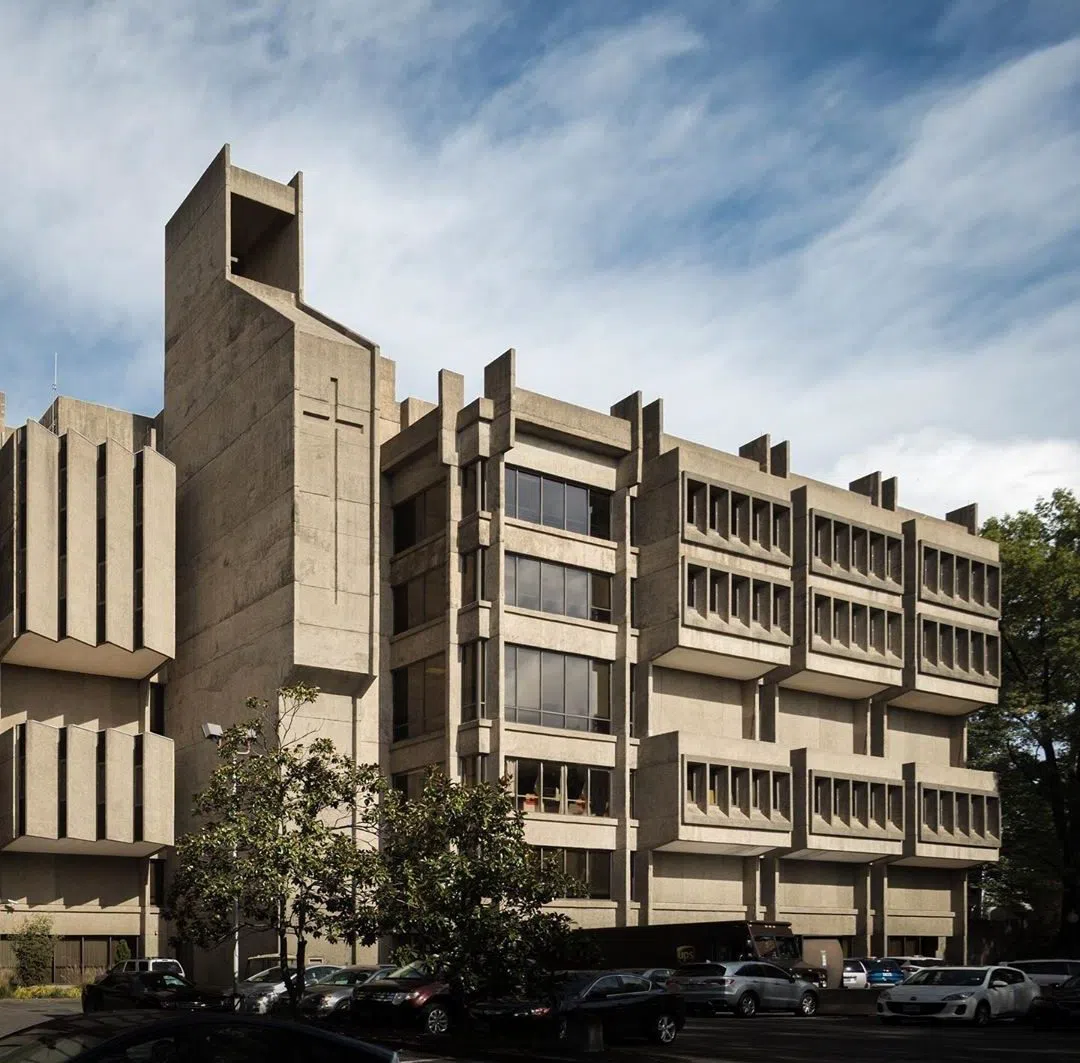
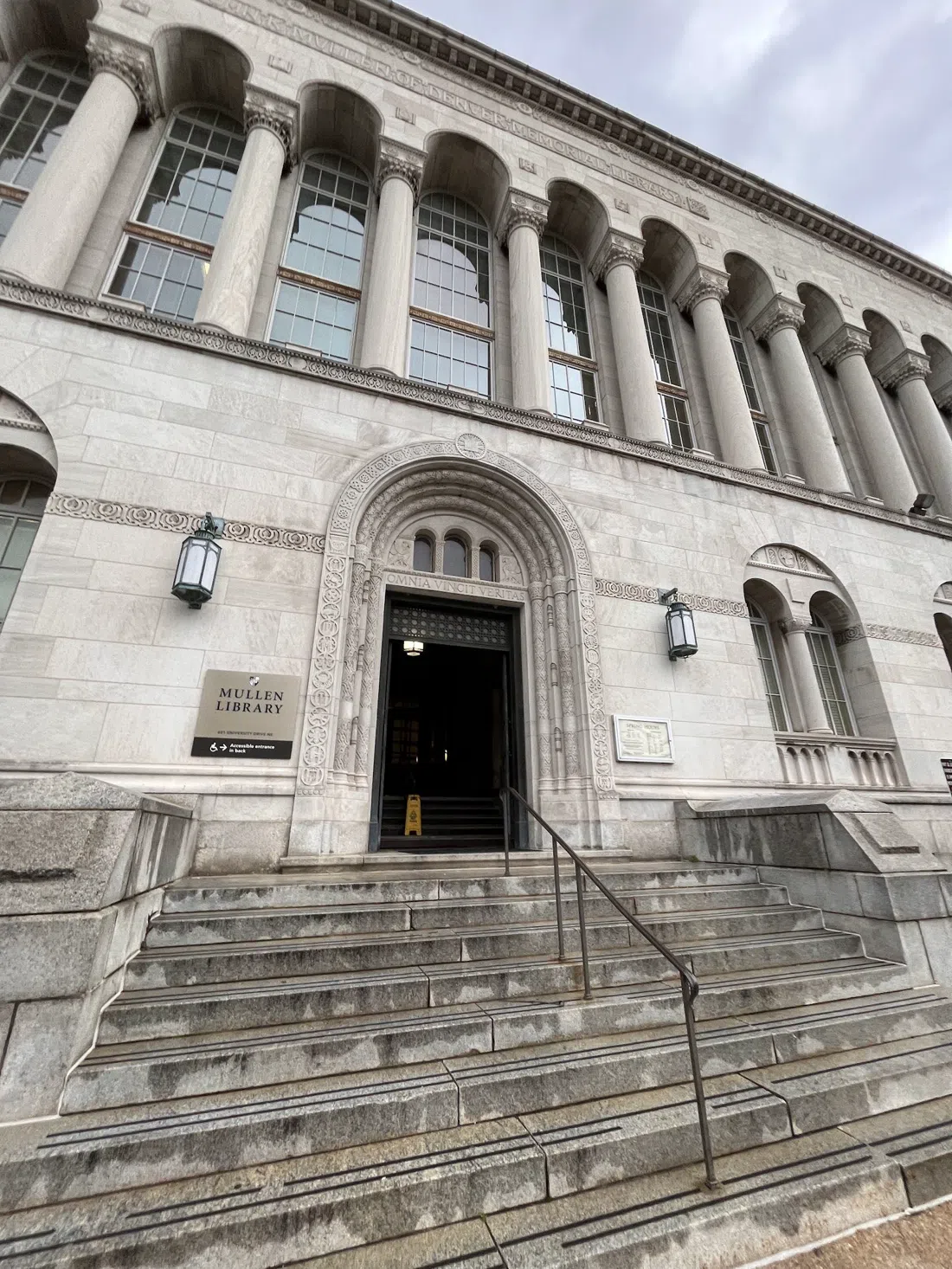
Across town in Brookland, the Rare Books Collection at Mullen Library (Catholic University of America) holds a deep incunabula collection (pre-1501 printed books) that most Washington visitors never hear about, currently getting fresh attention tied to the America250 anniversary programming. It's by advance appointment only, Monday to Friday 10 to 4 (Monday to Thursday in summer), and best suited to individuals or small pre-arranged groups rather than a drop-in stop. Reach it via the Red Line to Brookland-CUA; it isn't walkable from anywhere else on this list.
A garden library and the city's own archive
Two last stops, useful for different reasons. Dumbarton Oaks (Georgetown) pairs a real rare-book room with one of Washington's most photogenic gardens, and few visitors realize the library side needs no appointment at all on weekends: the Rare Book Gallery and Reading Room are open to any visitor Saturday and Sunday, free with museum entry. The scholarly reading rooms proper are appointment-only on weekdays; small weekend groups are fine, but a large tour should coordinate with the museum office in advance. The gardens themselves run $15 March through October and are free November through February. It sits about fifteen minutes' walk from the Booth Family Center, which makes a Georgetown weekend (library plus garden plus campus) an easy pairing, provided you go on a Saturday or Sunday for the reading room.
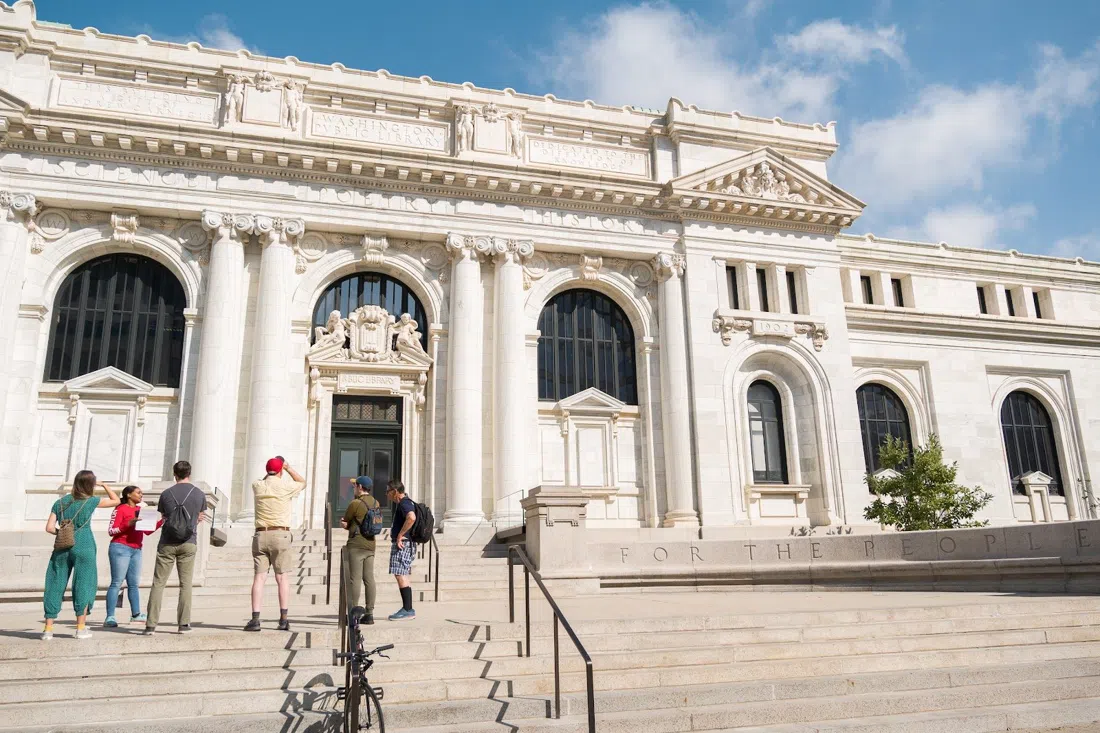
The last stop is the one library in this piece devoted entirely to Washington researching itself. The Kiplinger Research Library at the DC History Center (Mount Vernon Square) is housed in the city's former Carnegie Library, and it holds the city's own paper trail: deeds, photographs, ward maps, the archive of a place writing its own history. It's open by appointment Tuesday 3 to 7pm and Thursday 10 to noon and 1 to 3, free with a suggested donation; small groups can be accommodated with a week's notice by email. It's an easy add if a trip already has you near Mount Vernon Square, and worth the appointment even for a solo visitor with an hour to spare.
Getting there, timing, and budget
Transport. The Metro does almost all the work here: Capitol South or Union Station for the Library of Congress and Folger; Archives-Navy Memorial for the National Archives; Dupont Circle for Anderson House and, a mile's walk north, the House of the Temple; Farragut West for the DAR Library; Mount Vernon Sq for the DC History Center; Brookland-CUA for Mullen Library. Georgetown has no Metro stop of its own (walk in from Foggy Bottom, about twenty minutes, or take the Circulator bus), so budget extra time getting to Dumbarton Oaks and Georgetown University.
Cash. Almost everything on this list is free. Where money changes hands, it's modest and optional: the Folger's suggested $15 donation, Dumbarton Oaks' $15 garden ticket in season, and small suggested donations at the DAR Library and DC History Center. A card covers all of it; nothing here demands cash specifically.
Timing. Federal sights (the Library of Congress, Folger exhibits, National Archives) run any day of the week within their posted hours. Almost everything else keeps weekday business hours and shuts or restricts access on weekends, with one useful exception: Dumbarton Oaks' rare-book room is actually easier to reach on a Saturday or Sunday than a Tuesday. Build private-society and university visits into weekday mornings, and save Georgetown for a weekend.
Budget. A full day covering three or four of these (say, the Capitol Hill trio, or a Dupont Circle afternoon of Anderson House and the House of the Temple) costs nothing beyond transport and a coffee, no ticket line and no booking fee for something this rare. If you're building a longer stay around it, our Washington hotel search covers the Capitol Hill and Dupont Circle areas closest to most of this circuit, and the full Washington guide has the rest of the city for the days you're not reading old books.
No single day covers all ten (Brookland and Georgetown alone are worth keeping apart), but strung across three or four mornings, this is a version of Washington that has nothing to do with the Mall's marble and everything to do with why the city exists at all: somewhere has to keep the files.