The Washington issue
Chasing Orcas: A Whale-Watching Guide to Washington's Salish Sea
Where to sail, who to book, and how to actually see orcas across Washington's Salish Sea — an honest, operator-by-operator guide for 2026.

By Noa BergströmThe District, one neighbourhood at a time
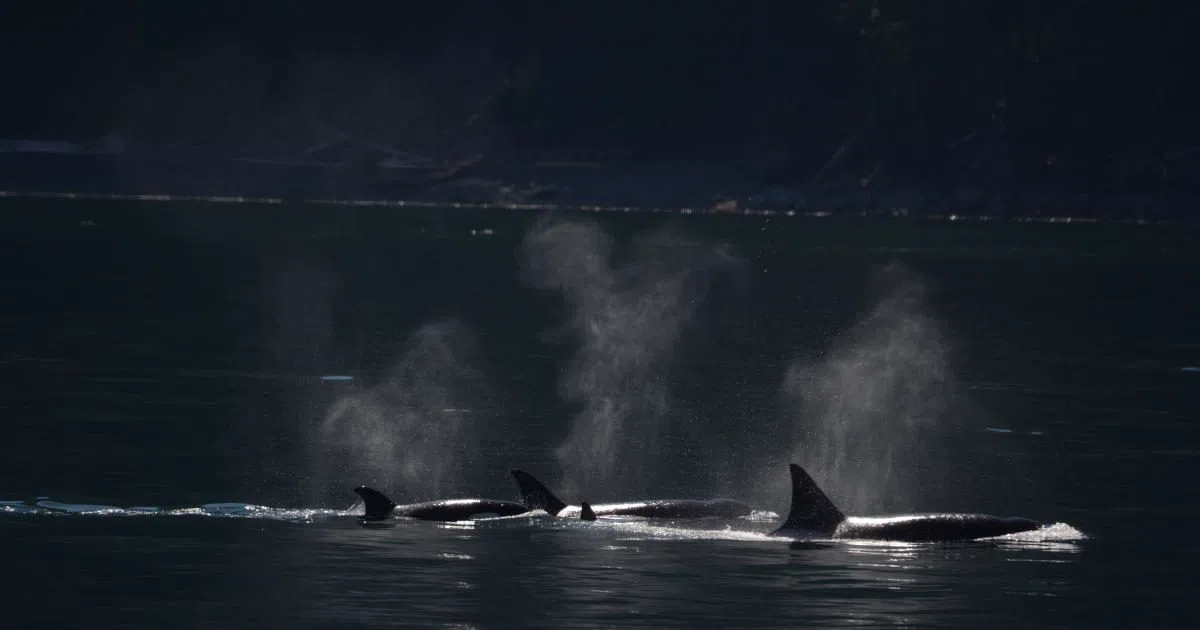
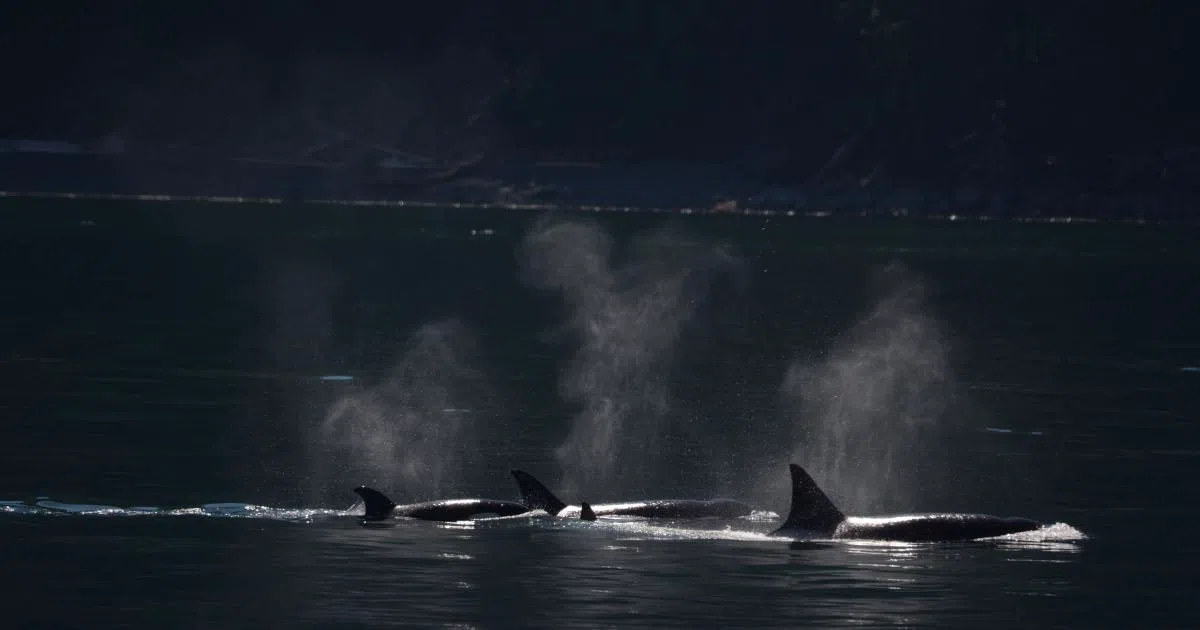
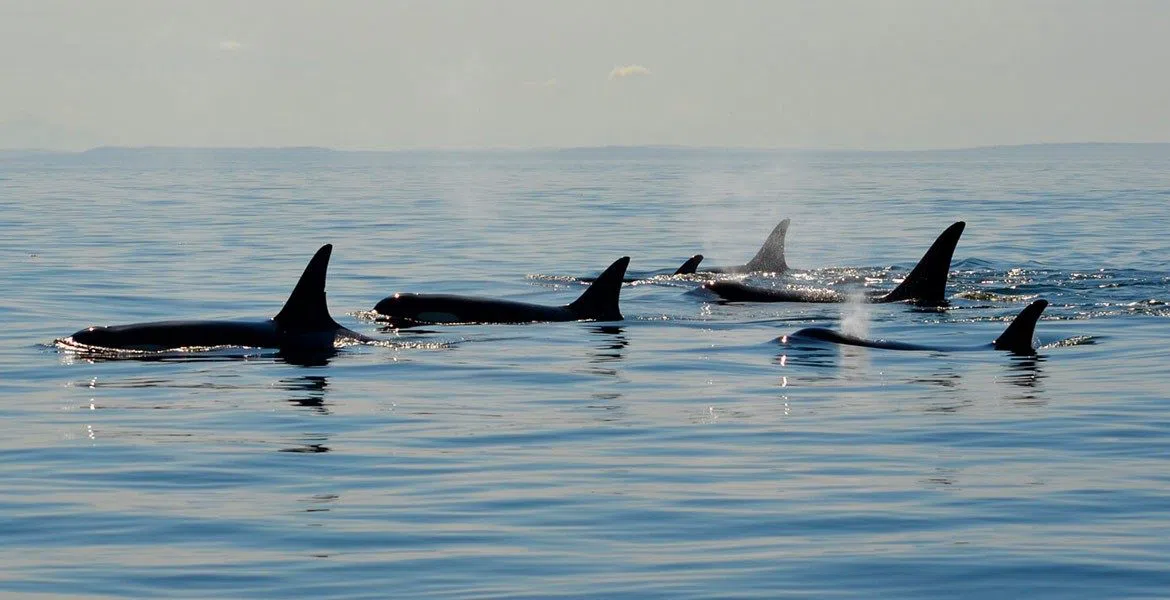
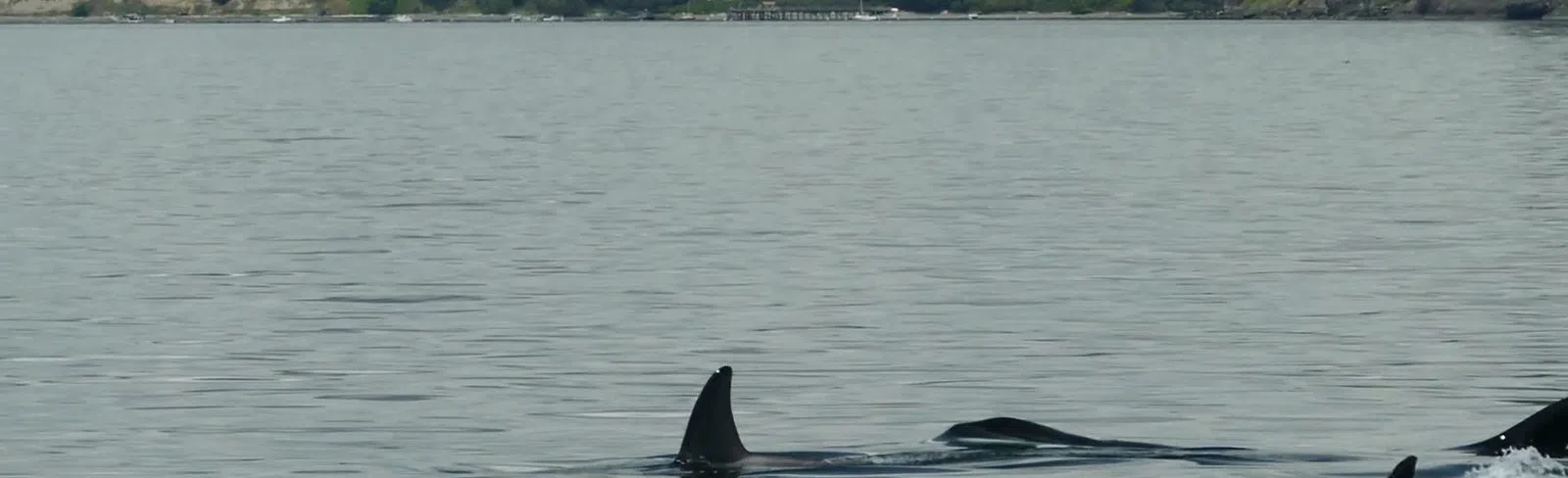
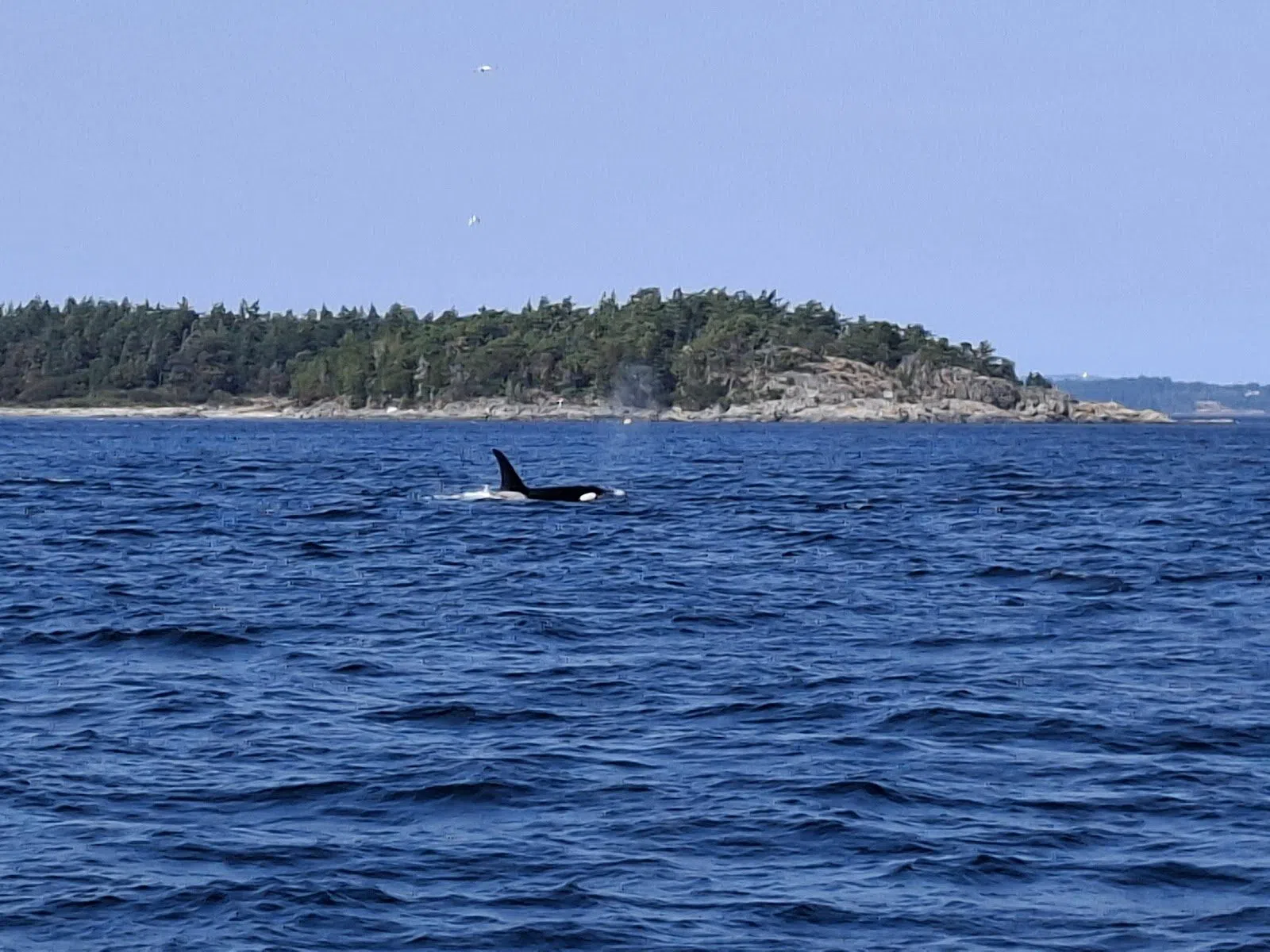
There is a particular hush that falls over a boat the moment a dorsal fin breaks the grey-green water of the Salish Sea. Engines idle, forty phones rise at once, and a naturalist's voice — steady, unhurried — names the whale by the notch in its fin. This is orca country: a maze of islands, tide-rips and forested channels between the Washington mainland and the open Pacific, and one of the few places on earth where the animals come to you rather than the other way round.
But chasing orcas well takes a little planning. There are transient (Bigg's) killer whales hunting seals year-round, the endangered Southern Resident pods that follow the salmon, humpbacks, minkes, porpoise and sea lions — and a dozen operators leaving from half a dozen ports, each suited to a different kind of traveller. Ferry or no ferry? Big steady ship or nimble little boat? A guaranteed sighting or a wilder gamble? This guide walks through every verified operator by where they sail from and who they suit, so you can book the trip that fits your group rather than the one that fits their marketing. Sort out where you're basing yourself first with a Washington hotel search, then read on.
The San Juan Islands: the classic orca crossing
The San Juans are the spiritual home of Washington whale-watching, and the trade-off here is simple — you'll take a ferry to reach the boats, but you're launching straight into the whales' front garden. Book ferry passage well ahead in summer; foot passengers have an easier time than cars.
For a first-timer, San Juan Safaris (Friday Harbor) is the safe, sensible choice. It's a long-established operator running scheduled shared departures that comfortably absorb larger groups, with onboard naturalists who know the resident whales individually. Expect around $135 for an adult. Because the departures are frequent and the boats sizeable, it handles families and bigger friend-groups — even a stag- or hen-sized party — without fuss, and larger private charters are bookable if you want the boat to yourselves. It is not the most intimate trip on the water, but it is arguably the most reliably well-run.
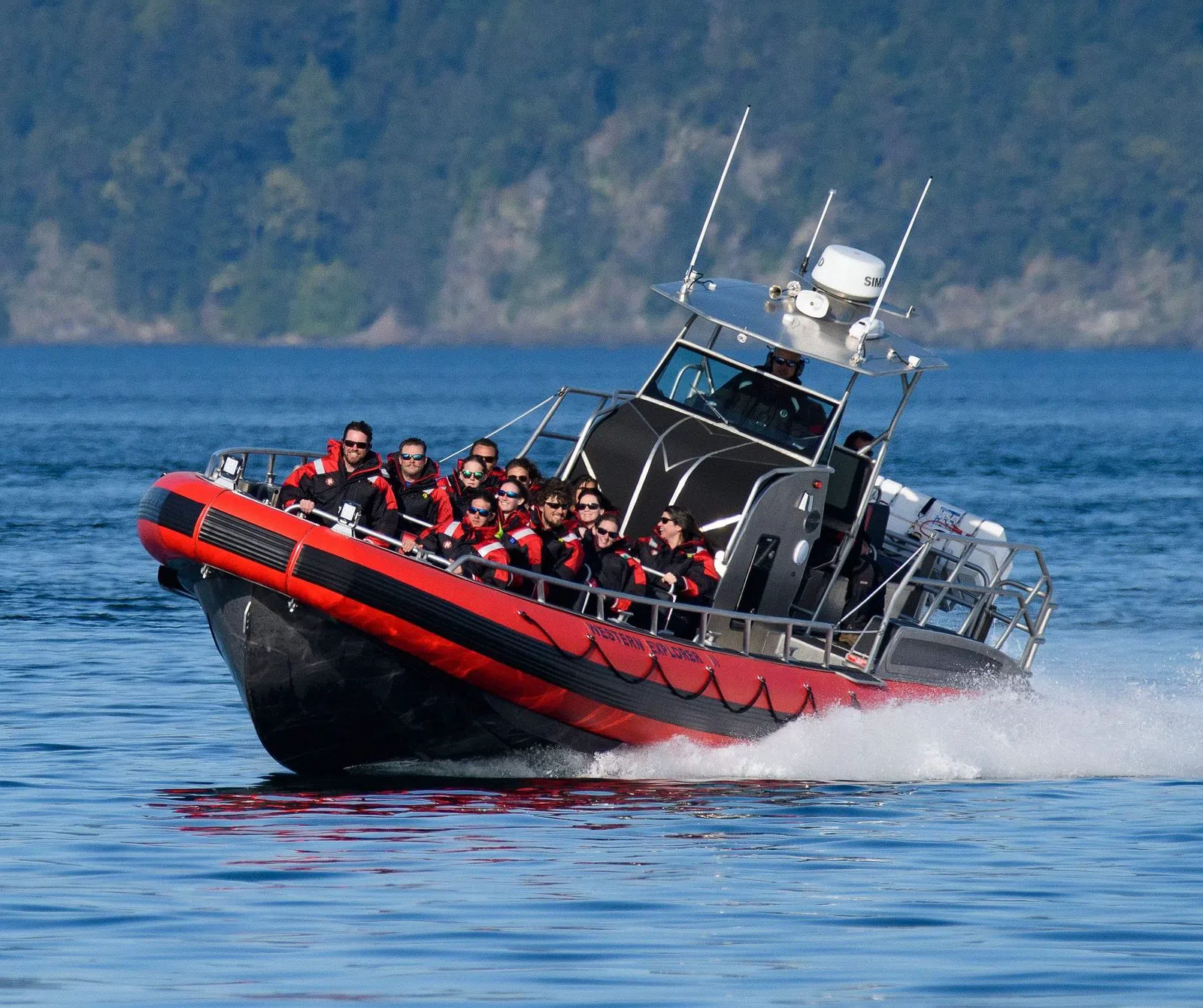
If that sounds a touch too busy, Western Prince Whale Watching (Friday Harbor) is the deliberate antidote. It runs a single boat with capped numbers, which means no jostling for rail space and far more time within earshot of the naturalist. At roughly $145 an adult it's a shade dearer than the big cats, and it's the better call for couples or small parties who value the unhurried, close-up feel over sheer capacity. The catch: those capped seats sell out fast, so a small friend-group should reserve days ahead rather than turning up hopeful.
At the top of the range, Maya's Legacy Whale Watching (Snug Harbor, west San Juan Island) trades price for proximity. Its very small, semi-private boats leave from the island's west side, so they reach the whales' favoured waters quickly and spend less of the trip in transit. From about $150 and up per adult, it's a premium pick, and for a small group the whole-boat private charter makes more sense than joining scheduled seats — you're paying for closeness and calm, not a crowd.
Plan your Washington trip
Live prices from our booking partners.
Free cancellation on many rooms. We may earn a commission when you book.
No ferry required: mainland departures from Anacortes and the north
If the ferry timetable makes your heart sink, several excellent operators sail straight from the mainland — no crossing, no car-deck queue, just drive up and board.
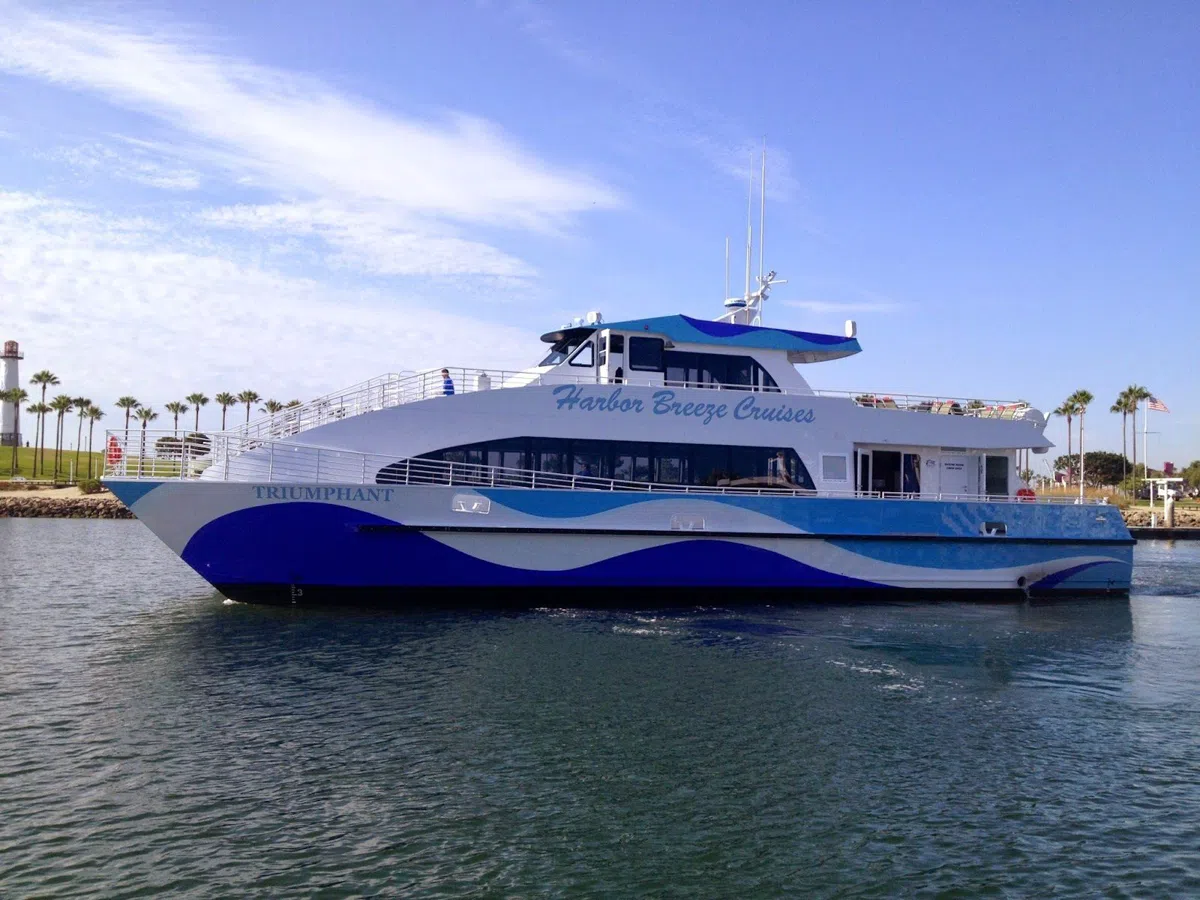
Island Adventures (Anacortes) is the dependable large-group answer. Its big-capacity catamaran is built for coach parties and sizeable family gatherings, and it holds the highest orca-sighting record on the coast — backed by a sighting guarantee that lets you rebook free if no whales appear. At around $125 an adult it's also among the better-value larger boats. If you're travelling with a crowd, someone prone to seasickness, or simply want the odds stacked in your favour without a ferry, this is the one.
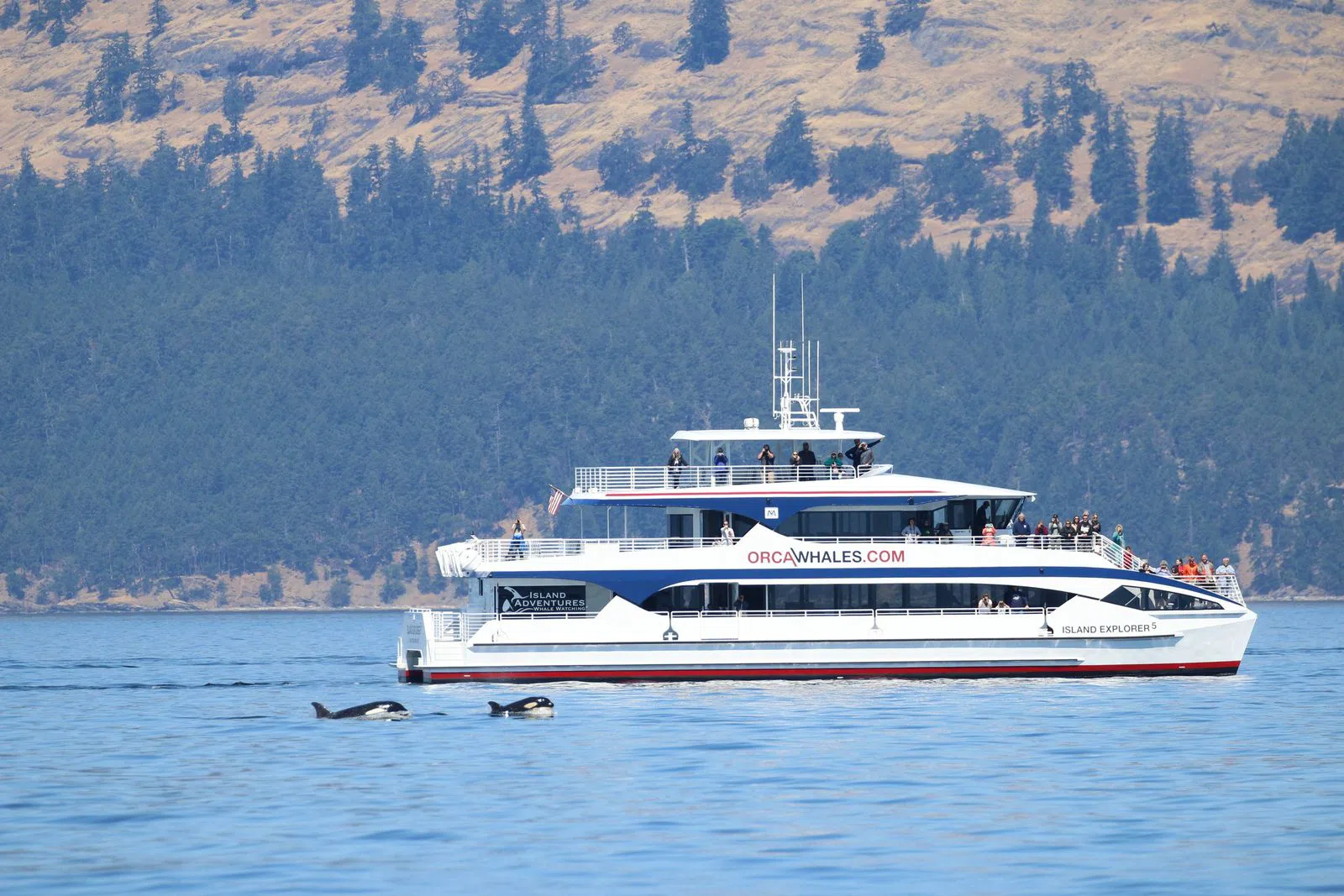
Outer Island Excursions (Anacortes, with pick-ups from Orcas and Lopez) takes the opposite tack — literally faster. Its high-speed powerboats close the distance to the action quickly, meaning more minutes with whales and fewer staring at open water. From roughly $120 an adult it's good value, takes scheduled groups and runs private charters, and the pace gives it a mild adrenaline edge that suits active groups happy to feel the spray. Less ideal if you want a slow, contemplative cruise — this is the sporty option.
Further north, San Juan Cruises (Bellingham) is the civilised, big-deck choice. This is a roomy, stable ship with a galley, so it swallows large groups comfortably and rides the swell far better than a small boat — a genuine relief if seasickness worries you. Around $130 an adult buys whale watching paired with local food and wine on a broad, steady deck. It's the pick for a group that wants the day to feel like an occasion rather than an expedition.
Deception Pass: scenery first, whales as a bonus
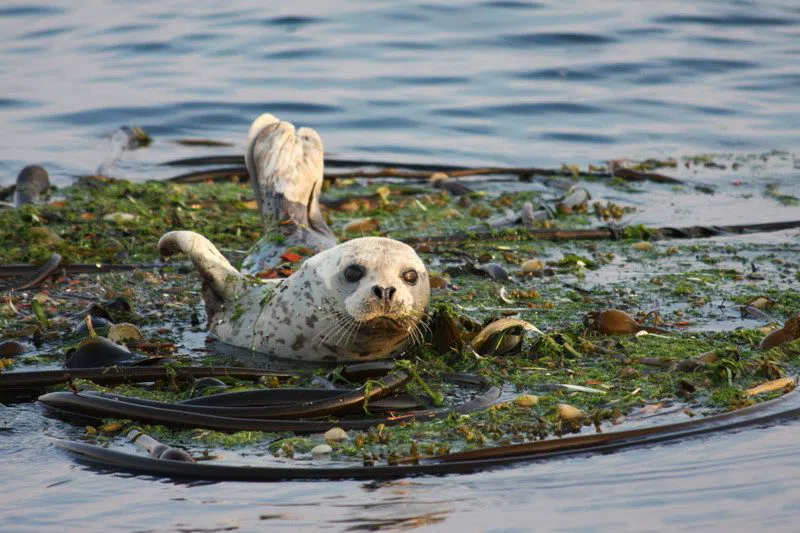
Not every day on the water hinges on a guaranteed fin. Deception Pass Tours (Deception Pass) runs scheduled sightseeing and wildlife cruises beneath one of Washington's most photographed bridges, threading tidal rapids that are a spectacle in their own right. At £-£-plus prices of roughly $50–90 it's the most affordable boat here, and it takes groups happily. Treat it as a jaw-dropping scenery cruise that often turns up whales rather than a dedicated orca hunt — which makes it the smart all-weather booking for days when sightings elsewhere look uncertain, or for travellers who'd enjoy the ride regardless.
The Olympic Peninsula and Puget Sound: guarantees and family charm
Down on the southern and western reaches of the Salish Sea, two family-friendly operators make whale watching easy to bolt onto a wider Washington trip.
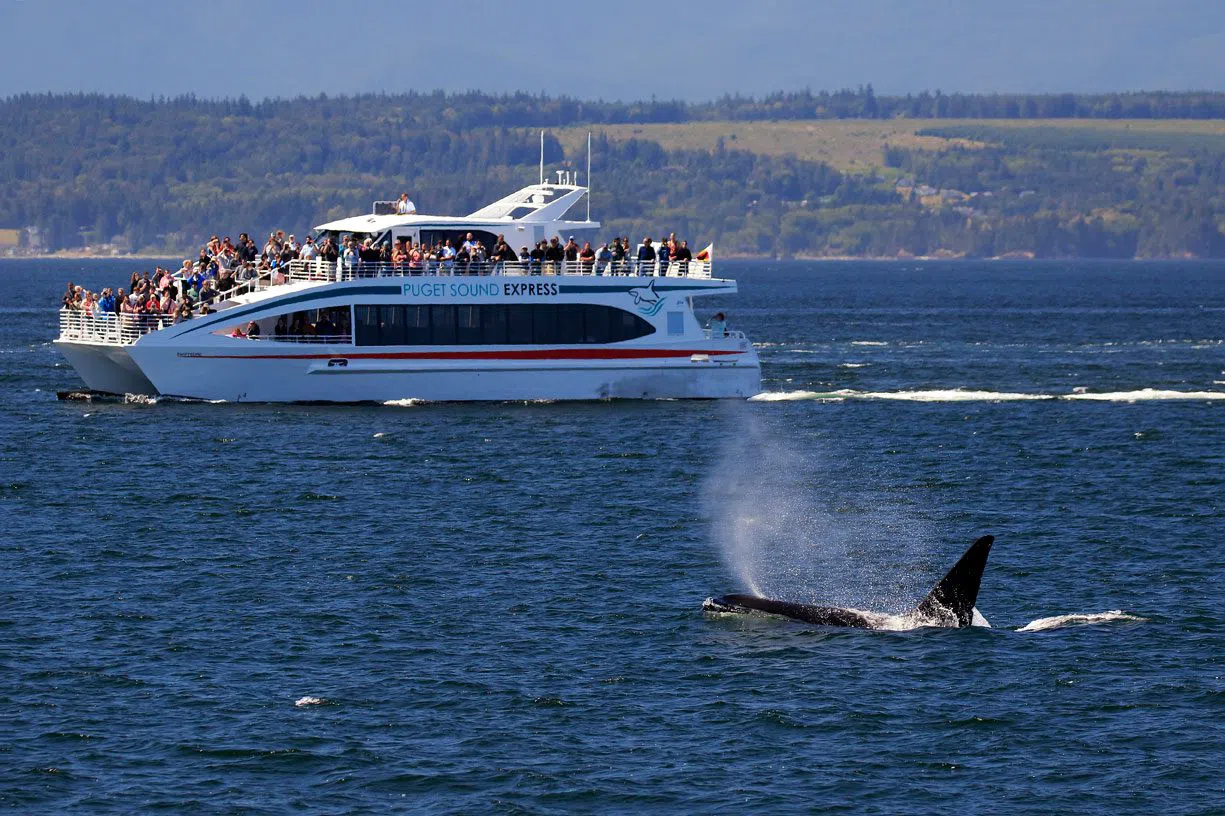
Puget Sound Express (departing Port Townsend, Edmonds and Port Angeles) is a three-generation, family-run outfit that guarantees sightings and has earned a small legend for the berry cobbler baked onboard. Around $125 an adult gets you scheduled departures that take groups, dependable naturalists and a warmth that plays especially well with children. It's charming without being twee, and the guarantee takes the gamble out of the day.
Port Angeles Whale Watch Company (Port Angeles) is built for travellers already circling the Olympic Peninsula. Daily guaranteed departures cross the Strait of Juan de Fuca in search of orcas and other marine life, and at about $135 an adult it slots neatly into a national-park itinerary — whales in the morning, old-growth forest in the afternoon. It takes groups and is handy precisely because you don't have to detour to the islands to reach the water.
Straight from the city: the Seattle option
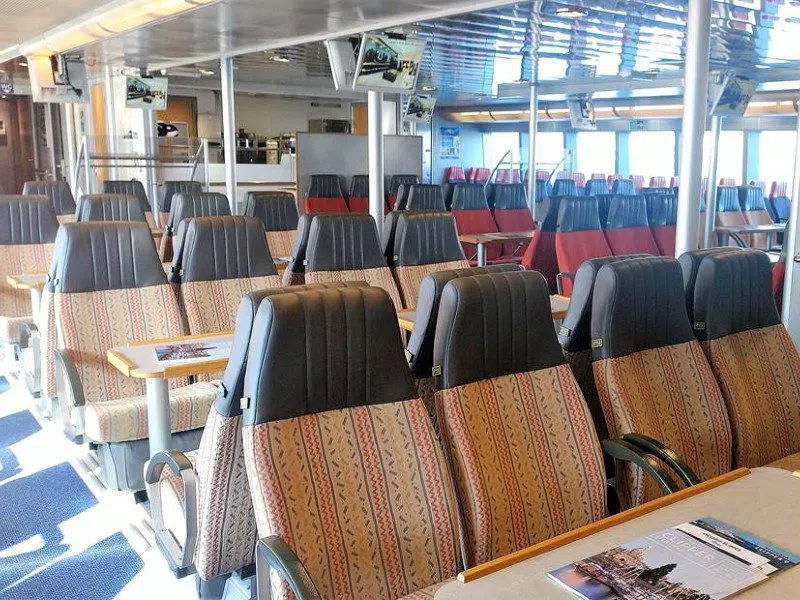
Short on time, or based in the centre of things? Clipper (FRS Clipper) is the only whale-watching trip that leaves downtown Seattle by boat — no transfers, no hire car, no ferry. Its large vessel is ideal for big groups, conference add-ons and city-break parties, and like the best operators it offers a free rebook if no whales are found. At around $150 an adult it's not the cheapest, but for anyone whose base is the city and whose time is tight, the zero-faff convenience is worth the premium. Pair it with the wider Washington guide if you're building a longer city itinerary around it.
For the specialists: an offshore day on the open Pacific
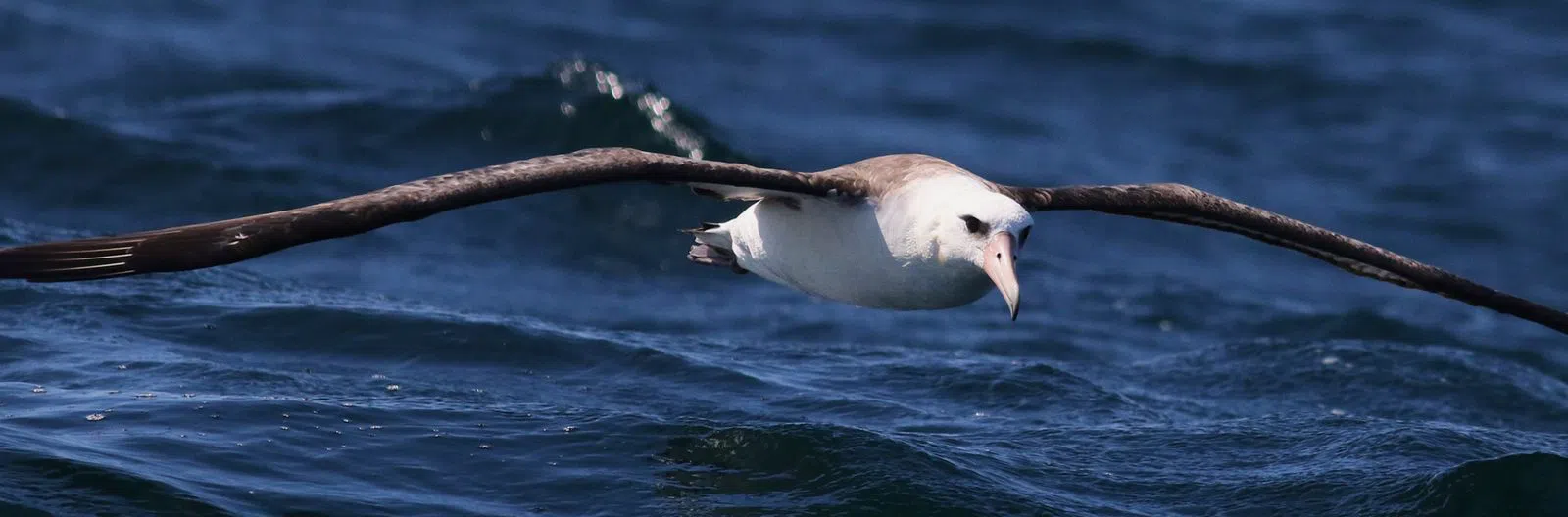
A word of warning and reward for the serious naturalist. Westport Seabirds (Westport) is not a harbour cruise — it's a full-day pelagic charter out onto the open ocean off Washington's wild outer coast, hunting albatross, shearwaters and marine mammals far beyond the sheltered inland waters. Limited seats (roughly $180–220 for the day) go to keen small groups of birders and naturalists, not casual big parties, and the sea state can be genuinely rough. This is a bucket-list day for enthusiasts who know what they're signing up for — bring sea-sickness tablets and layers, and don't book it expecting a gentle introduction.
No boat, no problem: land-based and rainy-day options
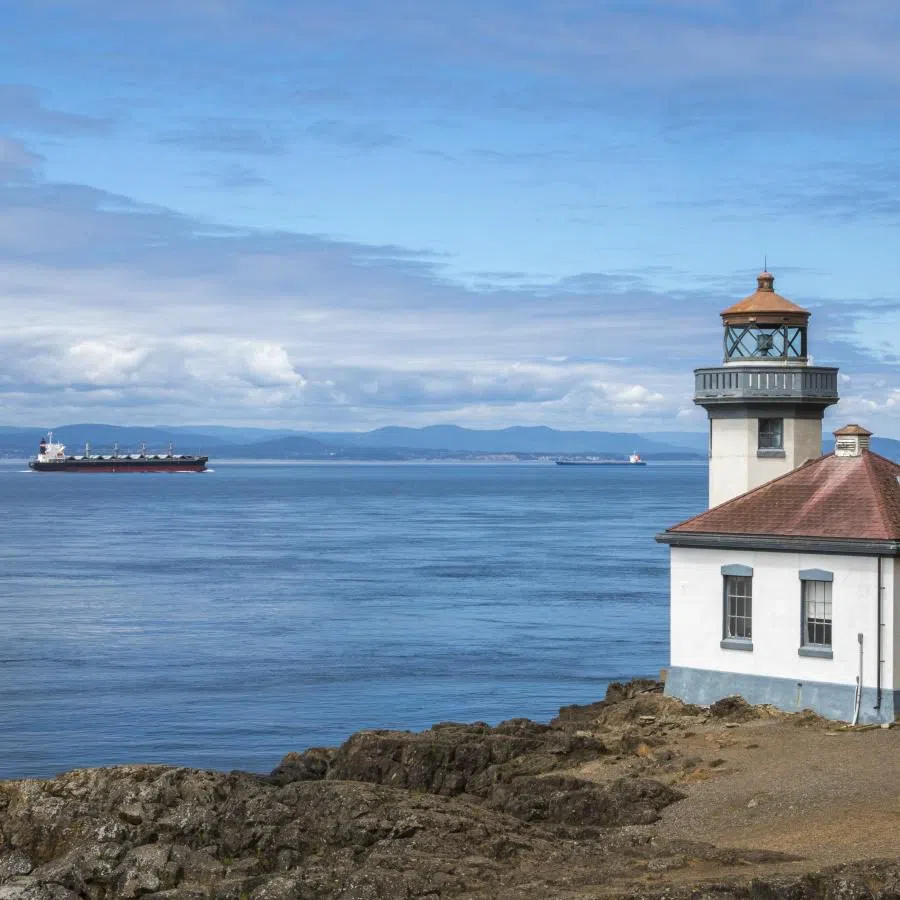
You do not need a ticket, or even sea legs, to see orcas here. Lime Kiln Point State Park (west San Juan Island) is rated among the best places on earth to watch killer whales from dry land, as the resident pods pass close to the rocky shore beneath a photogenic 1919 lighthouse. It's a free public park — you'll need only a Discover Pass for parking, around $10 — with no capacity limits, so it suits any group size and the tightest budget. Bring binoculars, a flask and patience; sightings aren't guaranteed, but on a good July afternoon there is no better free show on the water.
And for the grey day, or the trip where the whales simply don't cooperate, The Whale Museum (Friday Harbor) is the honest backup. This small indoor venue costs about $10 an adult and gives a genuinely good grounding in the Southern Resident orcas — their family trees, their threats, their individual histories. It welcomes families and small groups (larger or school parties should book ahead), and works equally well as a primer before a boat trip or a consolation and context-setter after a quiet one.
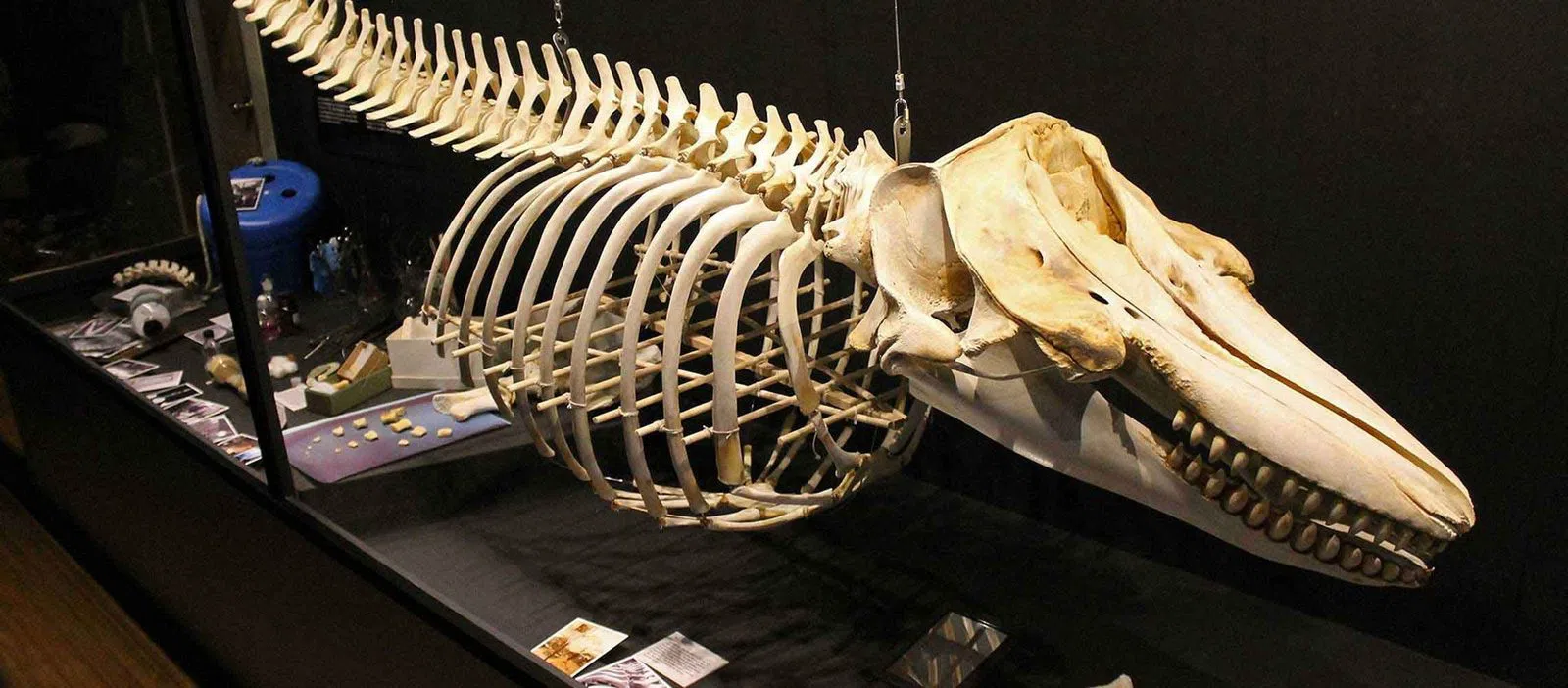
Which trip suits which traveller
A quick honest steer. Couples and small groups who want intimacy: Western Prince or Maya's Legacy. Families and large parties who want reliability: San Juan Safaris, Island Adventures or Puget Sound Express. No ferry, no fuss: Island Adventures, Outer Island Excursions or San Juan Cruises. Prone to seasickness: the big steady decks of San Juan Cruises or Clipper over any small boat. City-break, no car: Clipper. On a budget or travelling with non-sailors: Lime Kiln Point and The Whale Museum. Serious naturalists only: Westport Seabirds.
Practical notes
When to go. Peak season runs roughly May to September, with July and August the reliable heart of it for Southern Resident and transient orcas alike; humpbacks and Bigg's whales stretch the season either side. Morning departures often mean calmer water.
Getting there. Island operators require a ferry crossing — book foot-passenger tickets ahead and give yourself buffer time. Anacortes, Bellingham, Port Angeles, Port Townsend, Edmonds and downtown Seattle departures skip the ferry entirely, so factor that into where you base yourself.
Cash and cards. Trips run roughly $50 to $220 depending on boat and length; most operators take cards and expect online booking. Tipping the crew and naturalist is customary. A Discover Pass (about $10) covers state-park parking if you're going land-based.
Booking realities. Small-boat trips (Western Prince, Maya's Legacy, Westport Seabirds) cap numbers and sell out first — reserve early. Larger boats and guaranteed-sighting operators (Island Adventures, Clipper, Puget Sound Express, Port Angeles Whale Watch Company) have more give and free-rebook policies if the whales don't show.
What to bring. Layers and a windproof outer even in summer — it's colder on the water than on shore — plus binoculars, sun protection, and sea-sickness tablets if you're unsure of your stomach, taken before you sail. Then let the naturalist do the finding, and wait for that hush.
Before you go
When is the best time to see orcas in Washington's Salish Sea?
Peak season runs from roughly May to September, with July and August the most reliable months for both endangered Southern Resident pods and year-round transient (Bigg's) orcas. Humpbacks and minkes extend sightings into the shoulder months, and morning departures usually mean calmer water.
Do I need to take a ferry to go whale watching in Washington?
Not necessarily. San Juan Island operators like San Juan Safaris, Western Prince and Maya's Legacy require a ferry crossing, but Island Adventures and Outer Island Excursions sail from Anacortes, San Juan Cruises from Bellingham, Puget Sound Express and Port Angeles Whale Watch from the Olympic Peninsula, and Clipper leaves straight from downtown Seattle — no ferry needed.
Can I see orcas without booking a boat trip?
Yes. Lime Kiln Point State Park on west San Juan Island is rated one of the best places on earth to watch killer whales from land, and it's free apart from a roughly $10 Discover Pass for parking. Bring binoculars and patience — sightings aren't guaranteed, but the resident pods often pass close to shore in summer.
Which whale-watching trip is best for a large group or family?
For big groups, Island Adventures runs a large catamaran from Anacortes with a sighting guarantee, San Juan Cruises offers a roomy steady ship from Bellingham, and Clipper takes large parties from Seattle. For families, the three-generation, guarantee-backed Puget Sound Express is a warm, dependable choice.
Are whale sightings guaranteed on Washington whale-watching tours?
Several operators offer a guarantee or free rebook if no whales are seen, including Island Adventures, Clipper, Puget Sound Express and Port Angeles Whale Watch Company. Others don't guarantee sightings, so if certainty matters, choose a guaranteed operator or keep a flexible day in your schedule to rebook.