The Washington issue
Planning Five Nights in Washington in Late October
A first-timer's plan for Washington in late October: how to get the free tickets before they go, what to do once the museums close at 5.30 p.m., and whether Shenandoah is still worth the drive.

By Noa BergströmThe District, one neighbourhood at a time
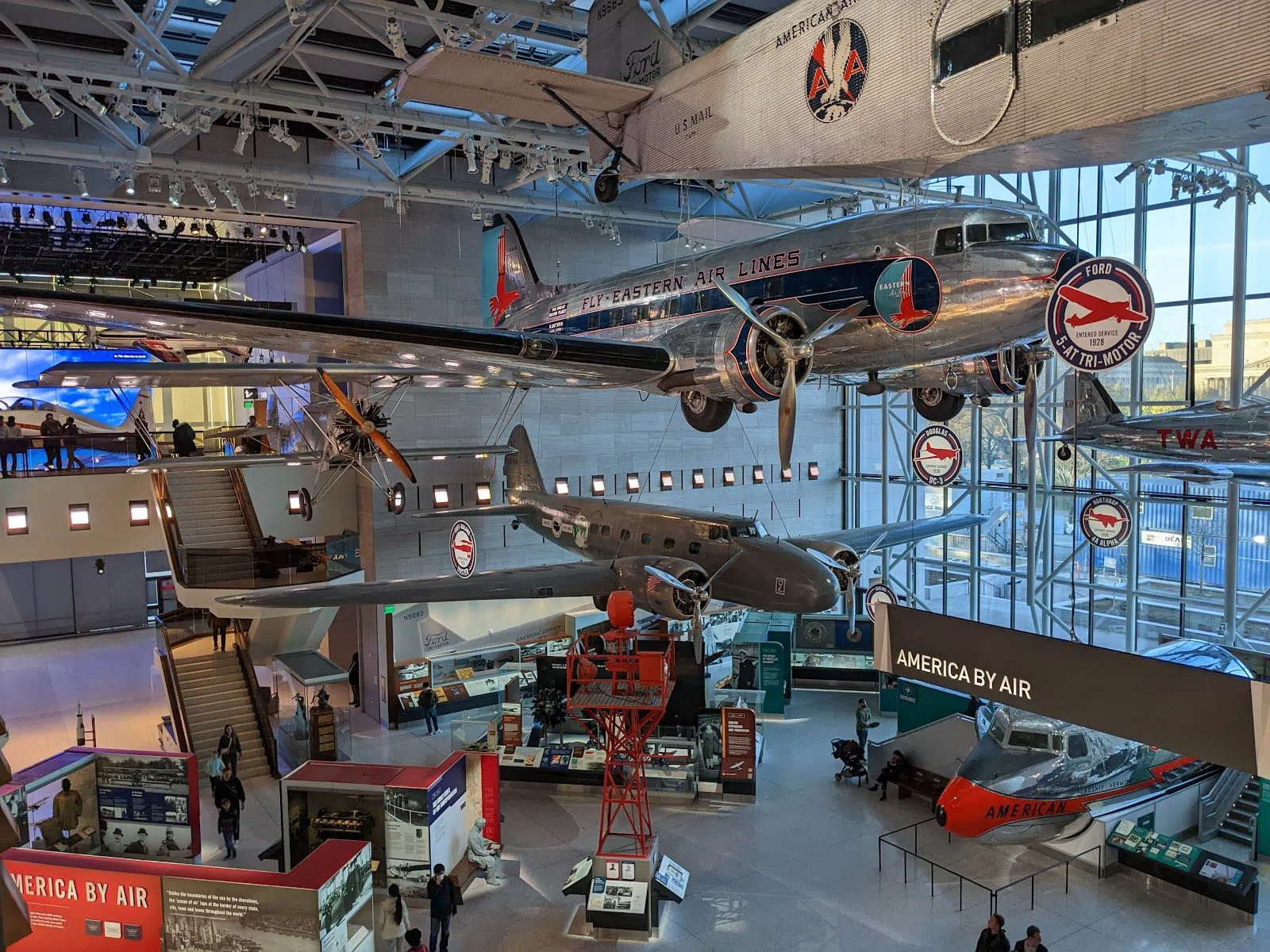
The Mall reads flat on a map and walks long in life. From the Capitol steps to the far end of the reflecting water is a straight two miles, with very little to duck into halfway. Late October is when that distance turns from an ordeal into the best thing about the city: the summer humidity gone, mid-afternoon sitting somewhere around 12 to 18°C, the light going amber off the Potomac by five. The same month brings the shortest museum day of the year and the last week of colour in the mountains, and a first trip that plans around neither loses a day it cannot get back.
The tickets that decide the trip
Washington's headline sights are free, which fools people into treating them as casual drop-ins. Several are ticketed to the minute, released on a fixed clock, and gone in hours. Book these before you think about anything else.
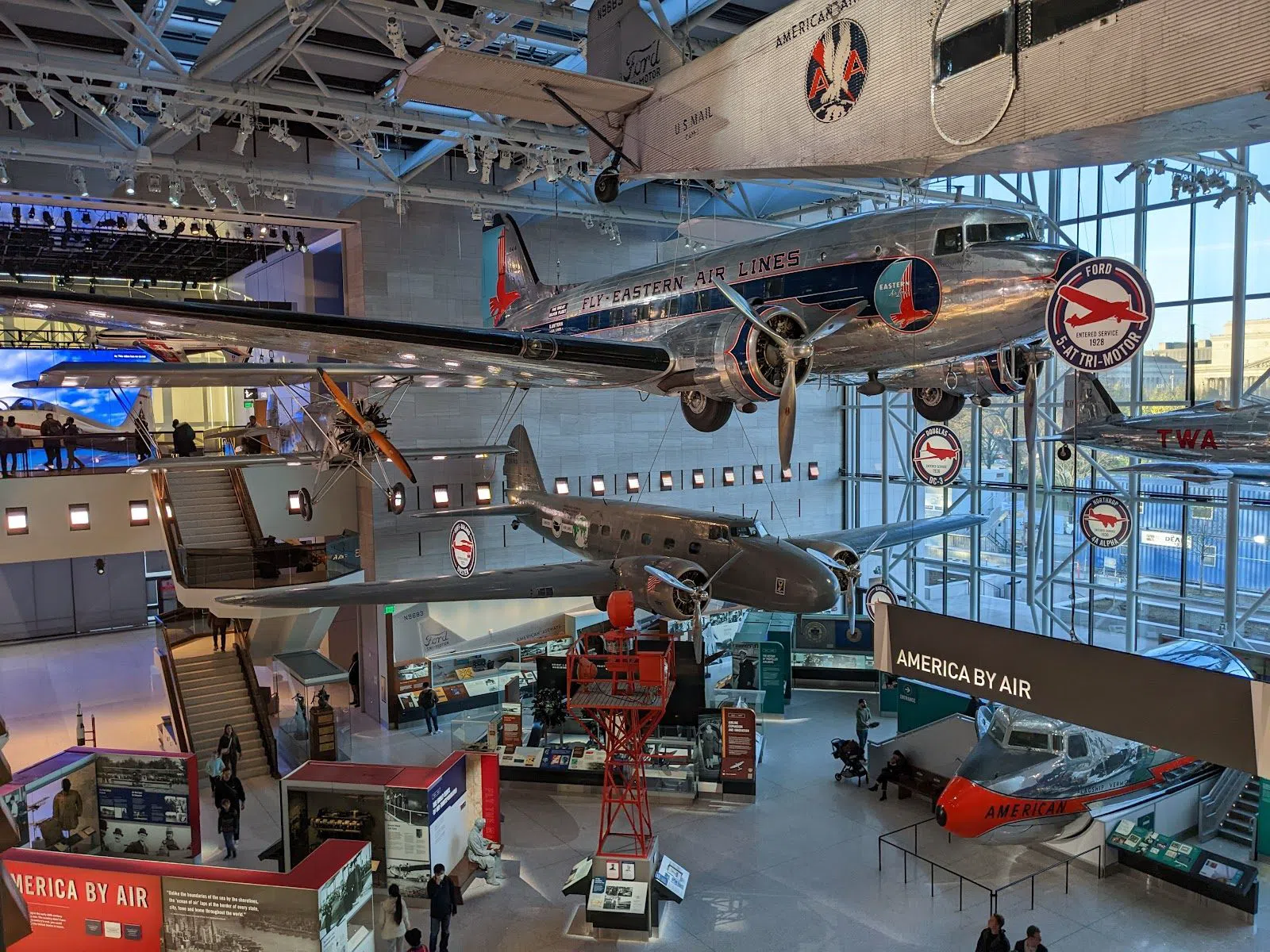
Smithsonian National Air and Space Museum (National Mall, at 6th and Independence SW) is the hardest free ticket in the city. Timed-entry passes are required for every visitor regardless of age, one person can reserve up to nine in a single transaction (so a family or a group of friends books once, not nine times), and the batches drop roughly a month ahead. Set a reminder for the day yours lands and book in the first hour. The timing of a late-2026 visit is unusually good: the seven-year gallery renovation has been reopening in stages, five galleries came back on 1 July 2026 and the penultimate one opens on 30 October 2026, so you are seeing the museum at close to full strength rather than half-shuttered.
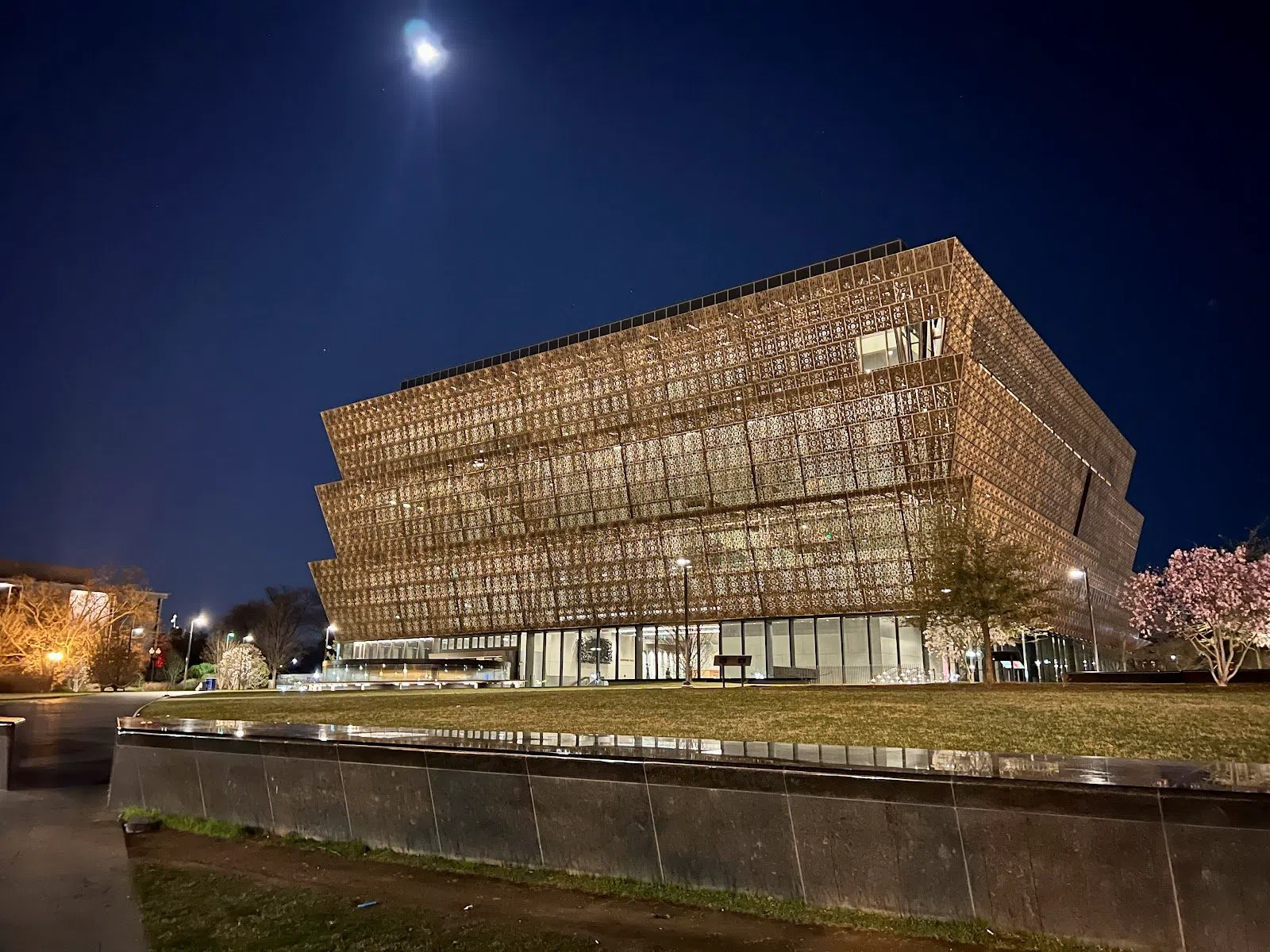
National Museum of African American History and Culture (National Mall, at 15th Street and Constitution Avenue NW) is the one first-timers most often fail to get into, and the one they most regret missing. Timed passes are needed for all ages, up to nine per person online, and parties of ten or more must use the dedicated group reservation system rather than stacking individual bookings. Advance passes release 30 days out on a rolling basis; if you miss those, same-day passes go online at 8.15 a.m. and you should be awake for it. Allow three hours minimum. The history galleries begin several floors underground and climb chronologically, and the building is designed so that you cannot skim it. Walking in at 3 p.m. is not a visit.
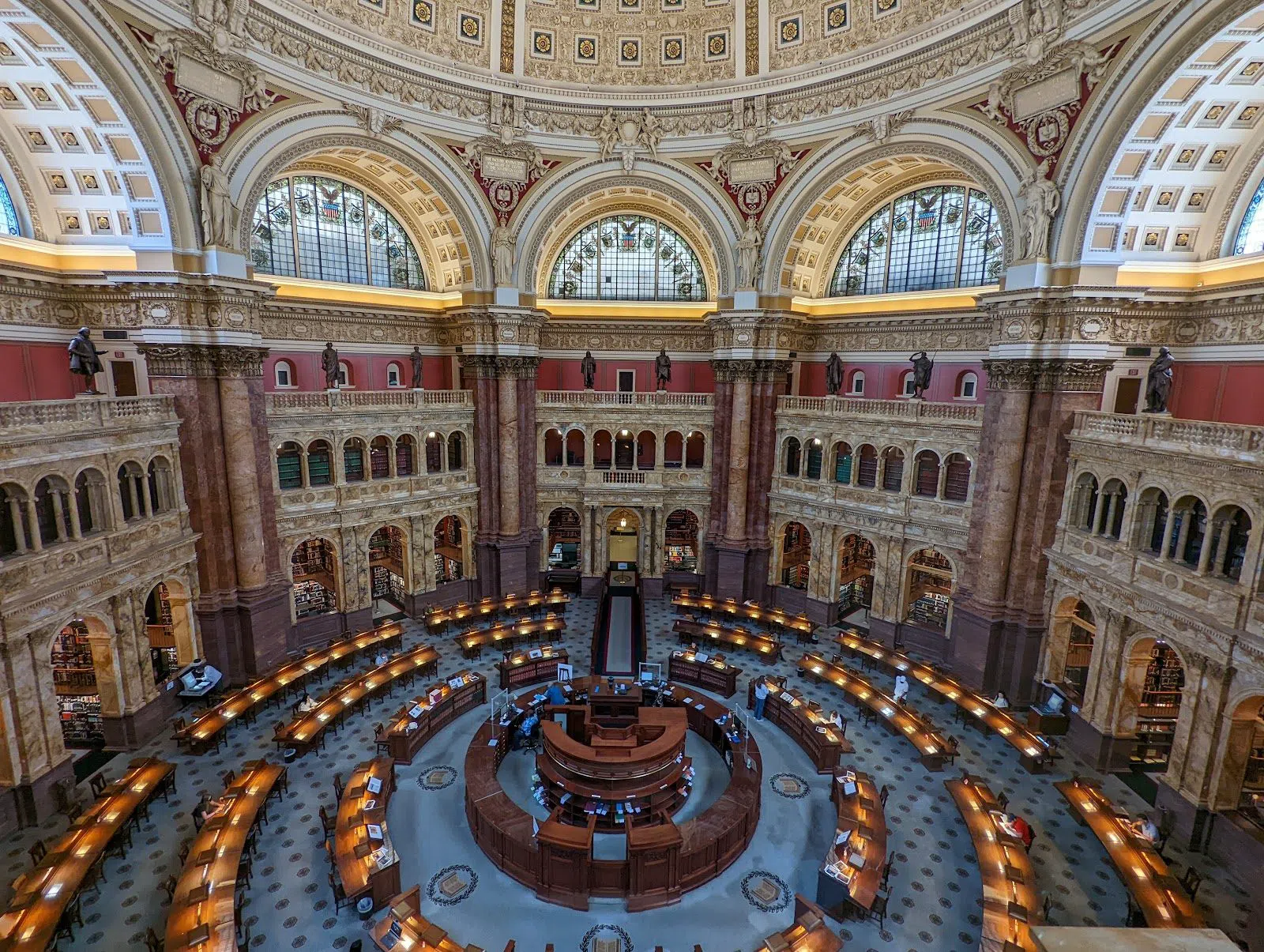
Library of Congress, Thomas Jefferson Building (Capitol Hill, facing the Capitol's east front) has the most group-friendly booking system in Washington: timed passes up to 30 days ahead, and as many as 20 people on one reservation. It opens Tuesday to Saturday, 10 a.m. to 5 p.m., with a free late opening from 5 to 8 p.m. on Thursdays that stays underused. Same-day passes go online at 9 a.m. Note the Sunday and Monday closure when you lay out five nights; it is the most common reason a first-timer's plan collapses.
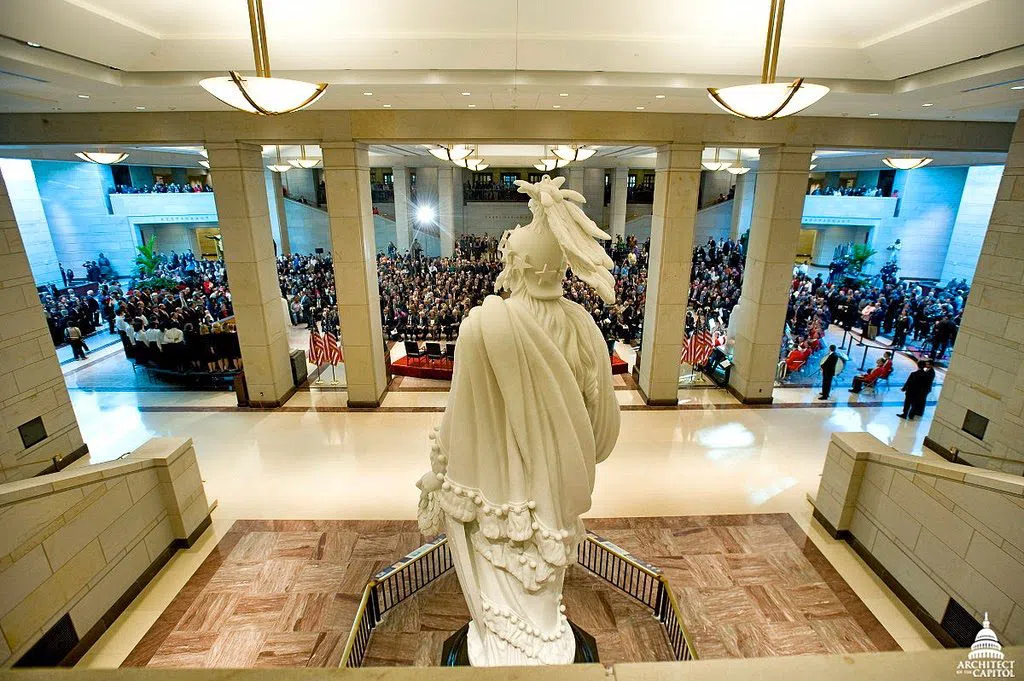
United States Capitol Visitor Center (Capitol Hill, beneath the East Plaza) takes free tour reservations up to 90 days ahead. International visitors book directly through the Advance Reservation System. You do not need a congressional office, and the widespread belief that you do keeps a lot of people away. Mandarin and Spanish tours run at 8.40 a.m. by prior reservation, and the follow-along brochures translate the guide's commentary into a dozen languages including French, German, Italian and Portuguese, which makes this one of very few Washington tours that works for a group that is not comfortable in English. Open Monday to Saturday, 8.30 a.m. to 4.30 p.m., closed Sundays.
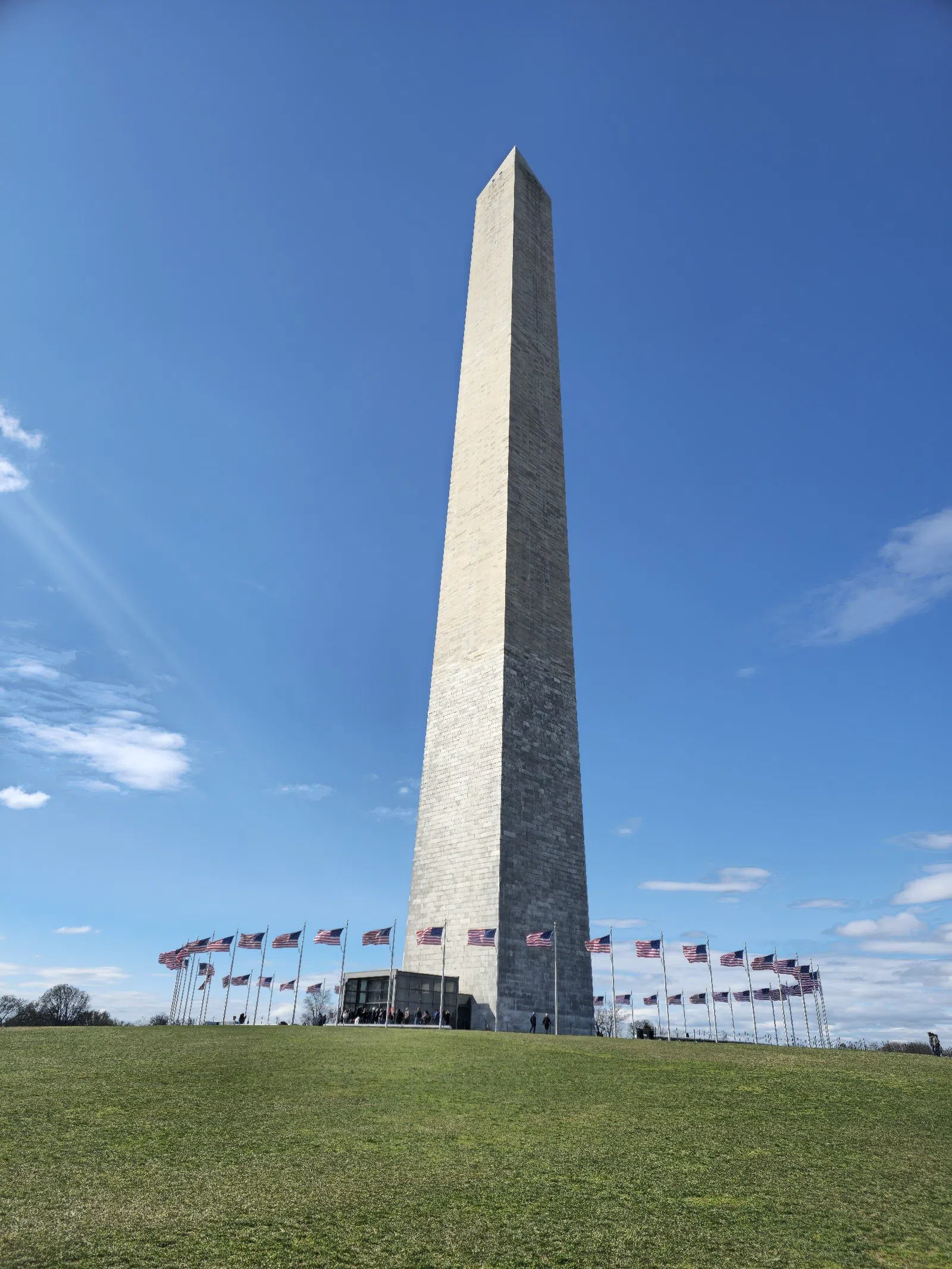
Washington Monument (National Mall, on the rise between the Mall and the Tidal Basin) takes up to six tickets per online reservation at a $1 non-refundable booking fee each, the only charge on this list. Tickets release 30 days out at 10 a.m. ET, with a second batch at 3 p.m. the day before, and late October sits well outside the March-to-August scramble, so next-day odds are decent. Same-day walk-up tickets are handed out at the Washington Monument Lodge from 8.45 a.m., but explicitly not to groups, so anything larger than a family books online. Open daily 9 a.m. to 5 p.m. with half-hourly slots to 4 p.m. The 70-second lift is the only way up; the stairs have been closed to the public since 1976.
Plan your Washington trip
Live prices from our booking partners.
Free cancellation on many rooms. We may earn a commission when you book.
Where to spend the free-entry hours
Once the ticketed sights are pinned to specific slots, the rest of the daytime plan can stay loose, because the best of it needs no booking at all.
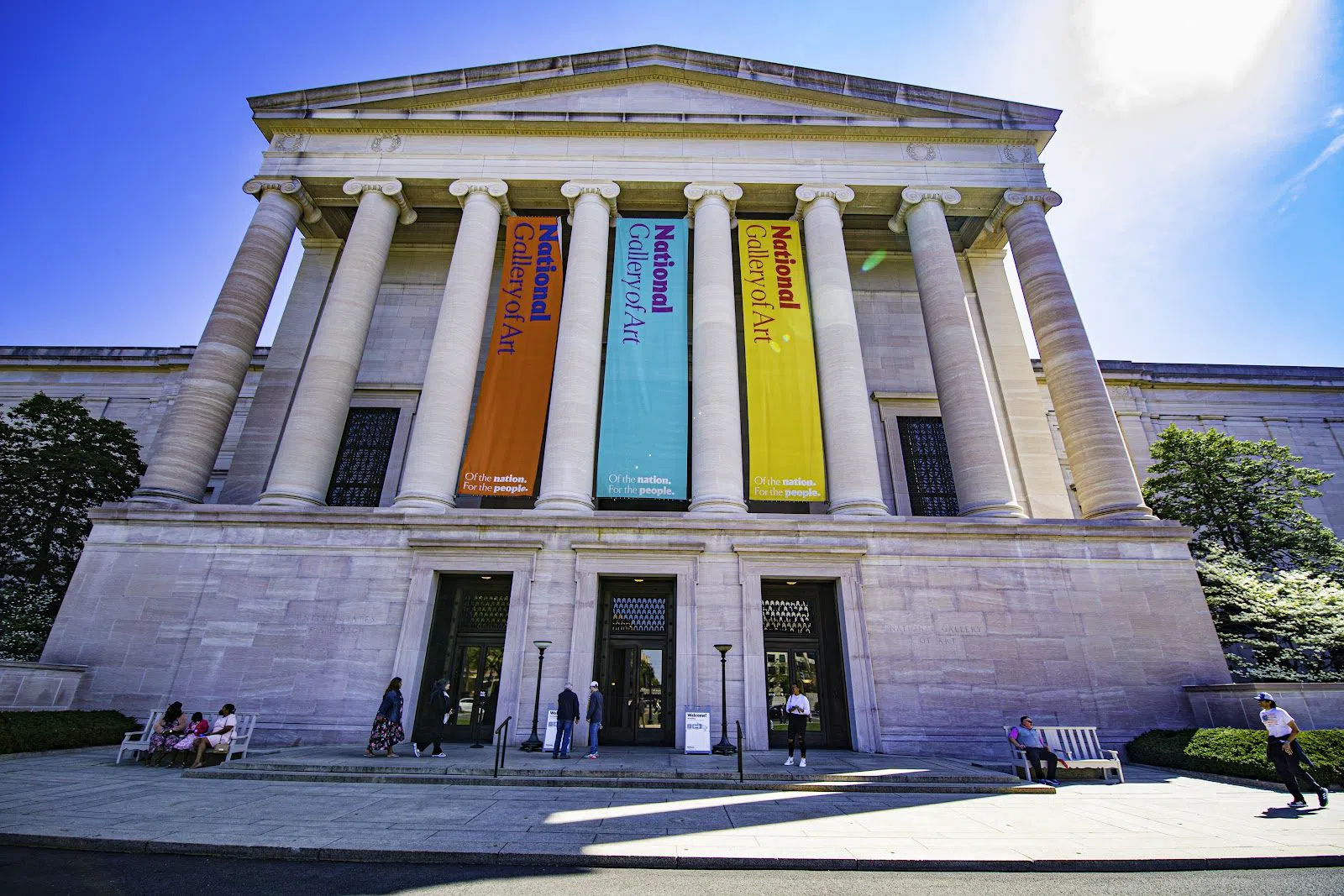
National Gallery of Art (National Mall, north side) asks nothing of you: no tickets, no passes, walk in. Both buildings and the Sculpture Garden are free, special exhibitions included, daily 10 a.m. to 5 p.m. The West and East Buildings are joined by an underground concourse, which makes it the easiest museum in the city for a group to split up in and regroup without anyone going back out into the weather. Treat the Sculpture Garden as a daytime stop in October: the extended 8 p.m. summer evenings finish on 5 September.
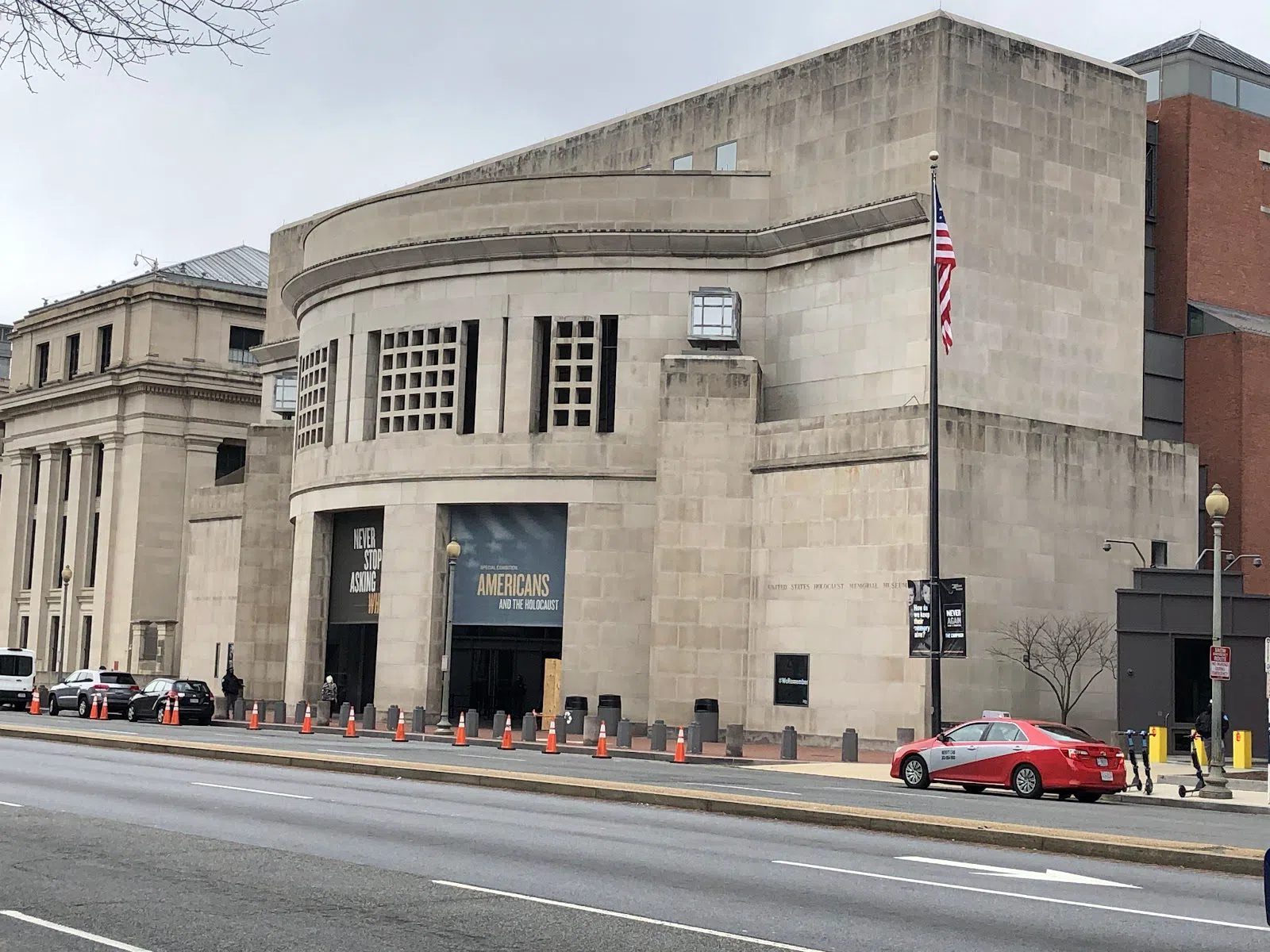
The United States Holocaust Memorial Museum (100 Raoul Wallenberg Place SW, just off the Mall) needs a free timed ticket only for the Permanent Exhibition; the rest is walk-in, and school or tour groups of 55 or more go through the museum's own group reservation system. It opens 10 a.m. to 5.30 p.m. daily, and late October falls outside the busiest pass window, so it is far easier to get into than in spring. Two honest warnings. It is emotionally heavy in a way that does not fade over lunch, and it is badly placed as an afternoon filler between two other things. Go in the morning, and put daylight and a long walk after it rather than another museum.
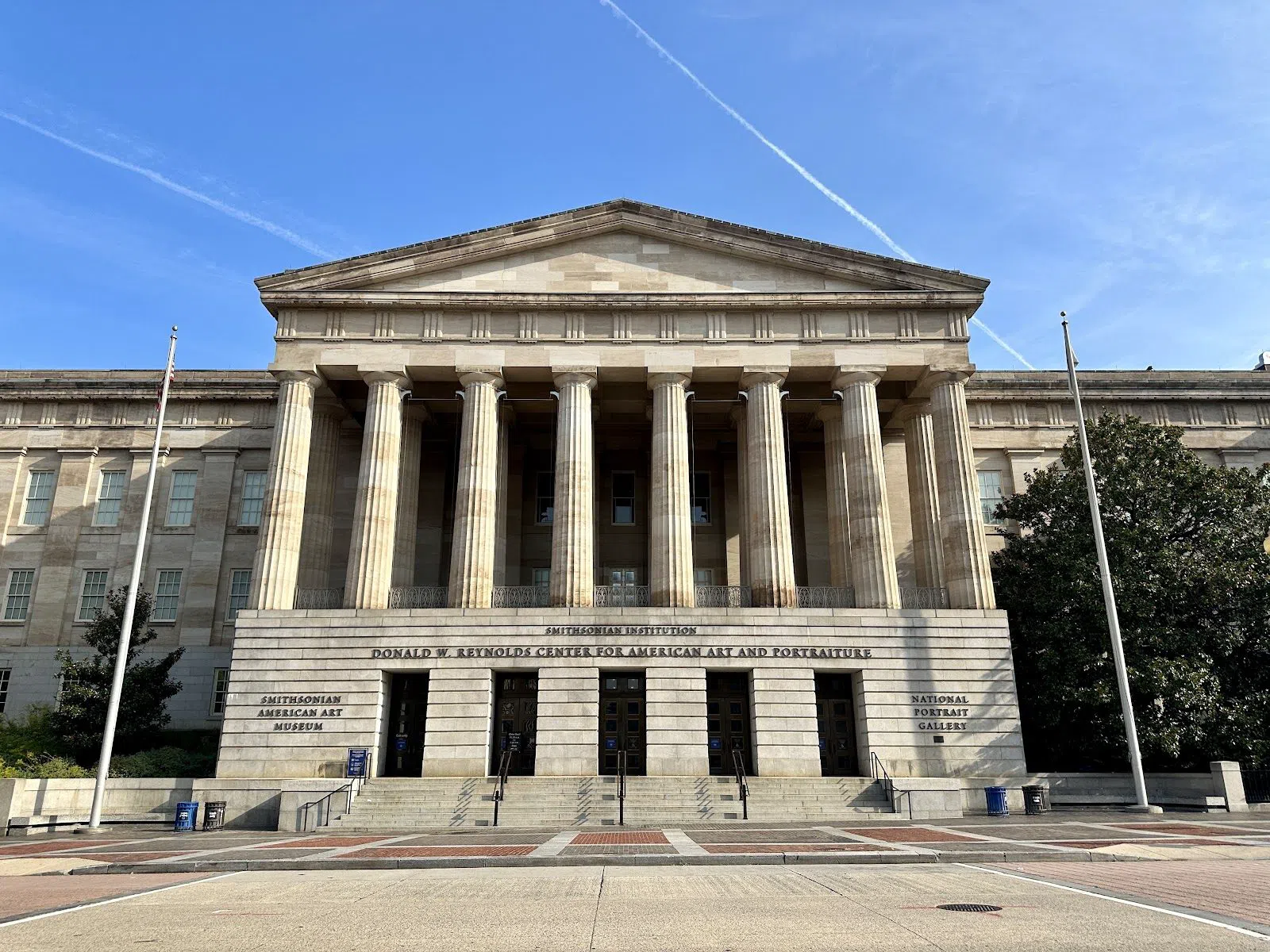
The hardest hour of a Washington day is the one after 5.30 p.m., when the Mall empties and the city seems to have nothing on. The fix is National Portrait Gallery and Smithsonian American Art Museum (Penn Quarter, 8th and G NW), two museums in one building, free, no tickets, open 11.30 a.m. to 7 p.m. every day. That two-hour later close is the reason to save it for the end of a day rather than the middle of one. The covered courtyard has open seating and free Wi-Fi and is the most reliable regroup point in the city for a party that has scattered.
Two high windows and the best walk in the city
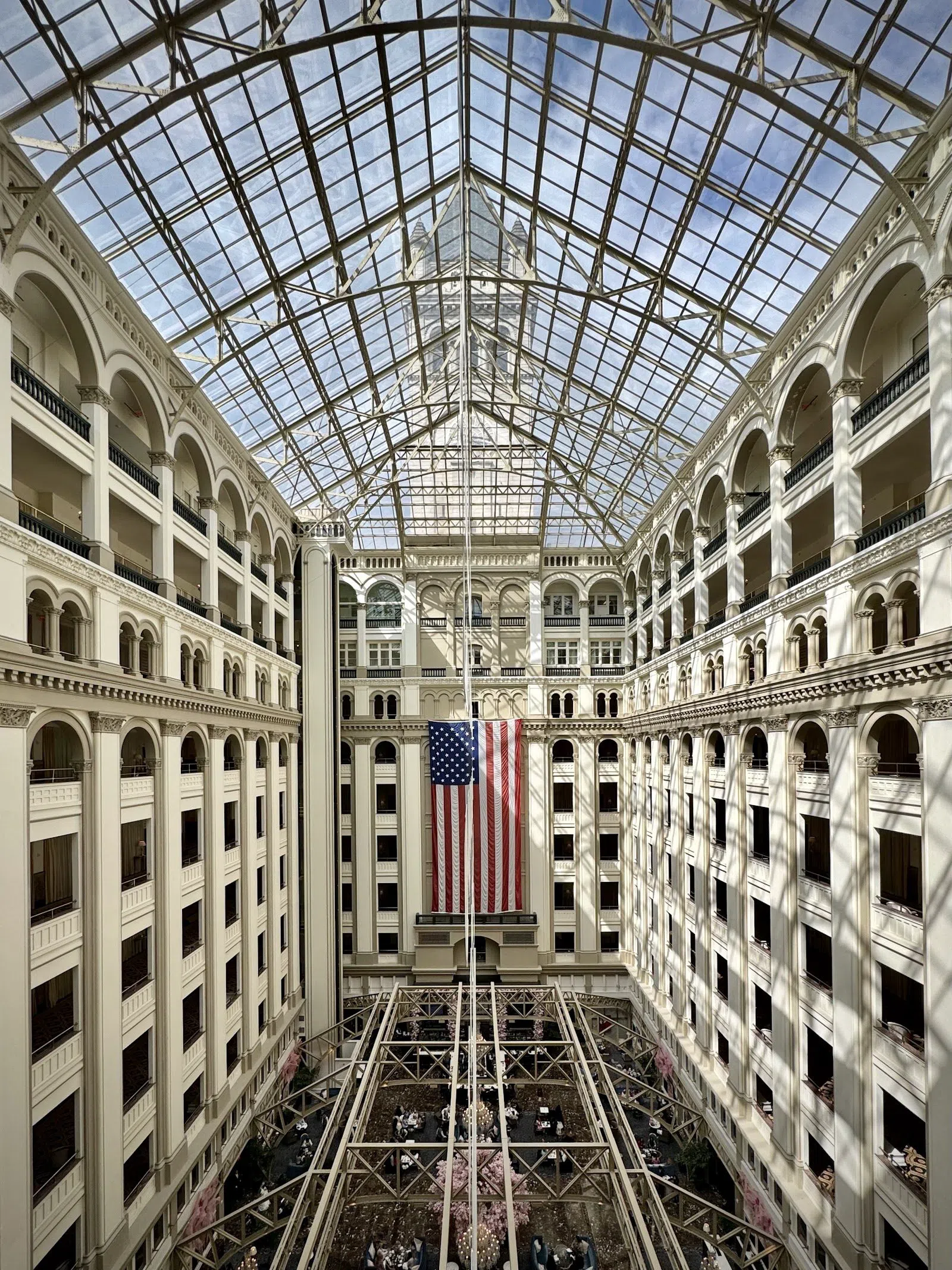
Old Post Office Tower at the Waldorf Astoria (Penn Quarter, entered from the rear of the building on 12th Street NW) reopened on 15 July 2026 after a long closure, now run by the hotel rather than the National Park Service. It is the second-highest public viewpoint in Washington after the Monument, and unlike the Monument it needs no ticket at all. The catch is the window: Wednesday to Saturday, 9 a.m. to noon, and nothing outside it. The lift and the small deck take a handful of people at a time, so a large group goes up in waves rather than together, which is fine for six and awkward for sixteen.
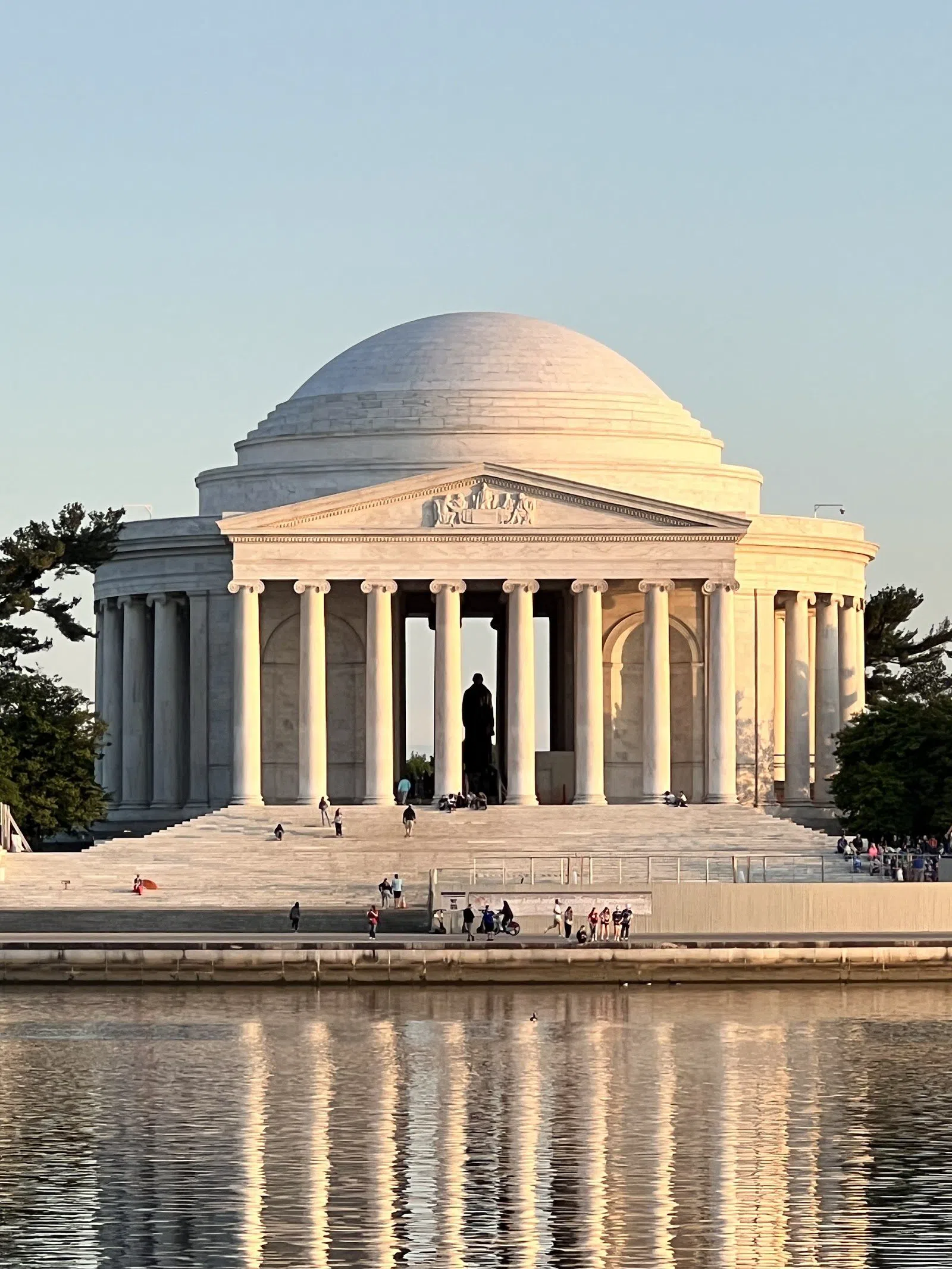
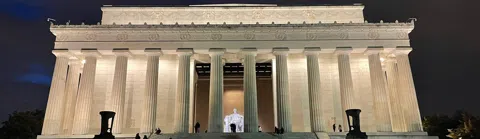
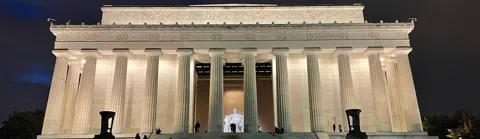
The best single walk in Washington costs nothing and has no door at all. The Tidal Basin memorial loop (south of the Mall, taking in the Jefferson, FDR and Martin Luther King Jr. Memorials) runs roughly two miles around the water, open-air, unstaffed and never ticketed. It is the one major sight where group size is irrelevant. The multi-year seawall reconstruction around the Jefferson and MLK memorials finished ahead of schedule and the area reopened in late April 2026 with a wider, more accessible walkway, so this is the first proper autumn with the full circuit walkable. Do it after dark at least once. The memorials are lit, the crowds thin to almost nothing, and the FDR memorial's water rooms are better at night than they have any right to be.
The Washington that isn't federal
Five nights is enough to leave the Mall behind for two of the days, and you should.
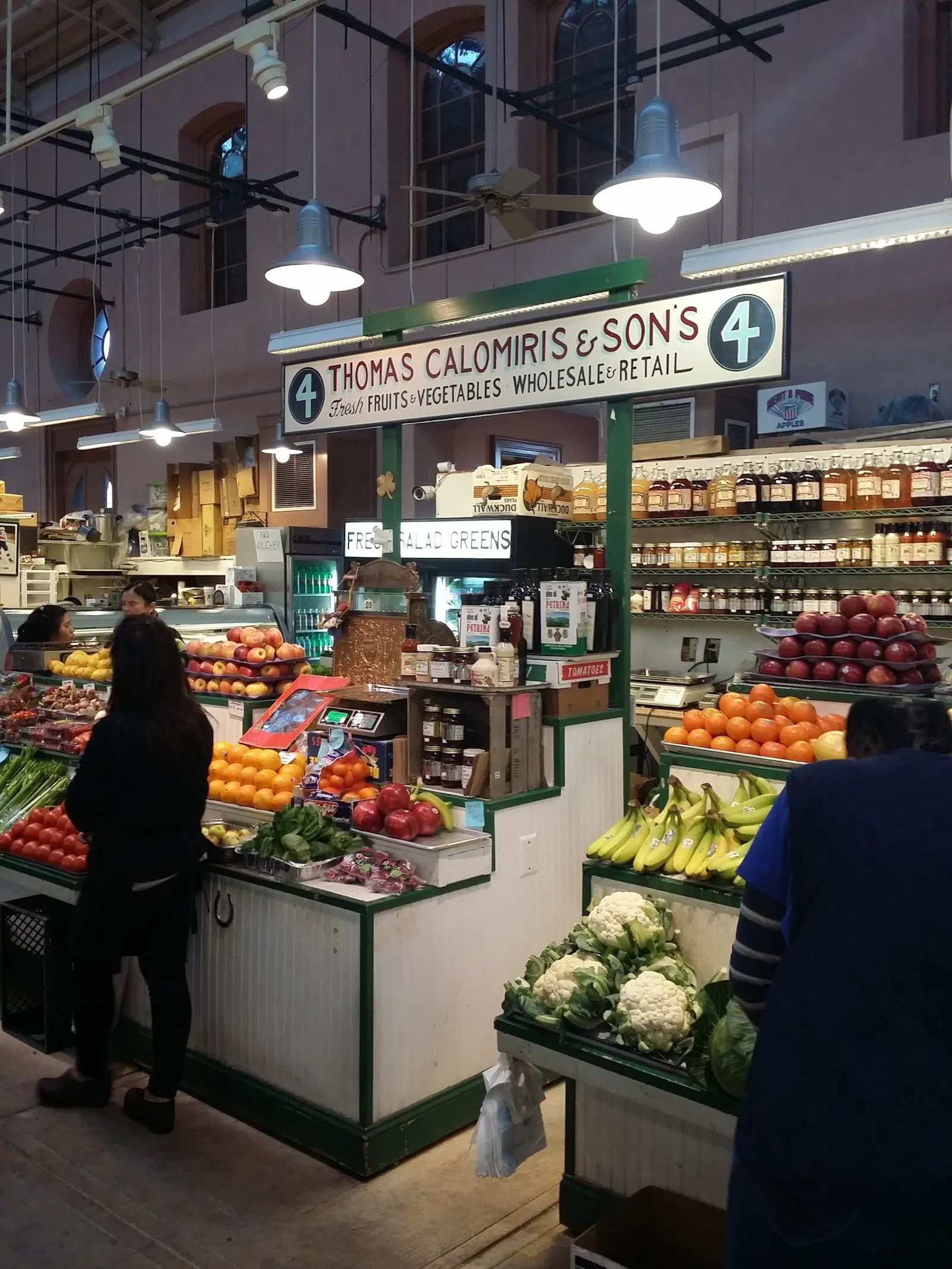
Eastern Market (Capitol Hill, 7th Street SE) is the honest answer to where Washingtonians actually spend a weekend. No booking, no door policy; the outdoor lines absorb any number of people, though the indoor South Hall aisles get tight on a Saturday morning. South Hall trades Tuesday to Saturday 8 a.m. to 6 p.m. and Sunday 8 a.m. to 5 p.m.; the farmers and flea markets run Saturday and Sunday, 9 a.m. to 4 p.m. It is closed on Mondays, which catches people out every week of the year. Reckon on $8 to $20 a head to eat.
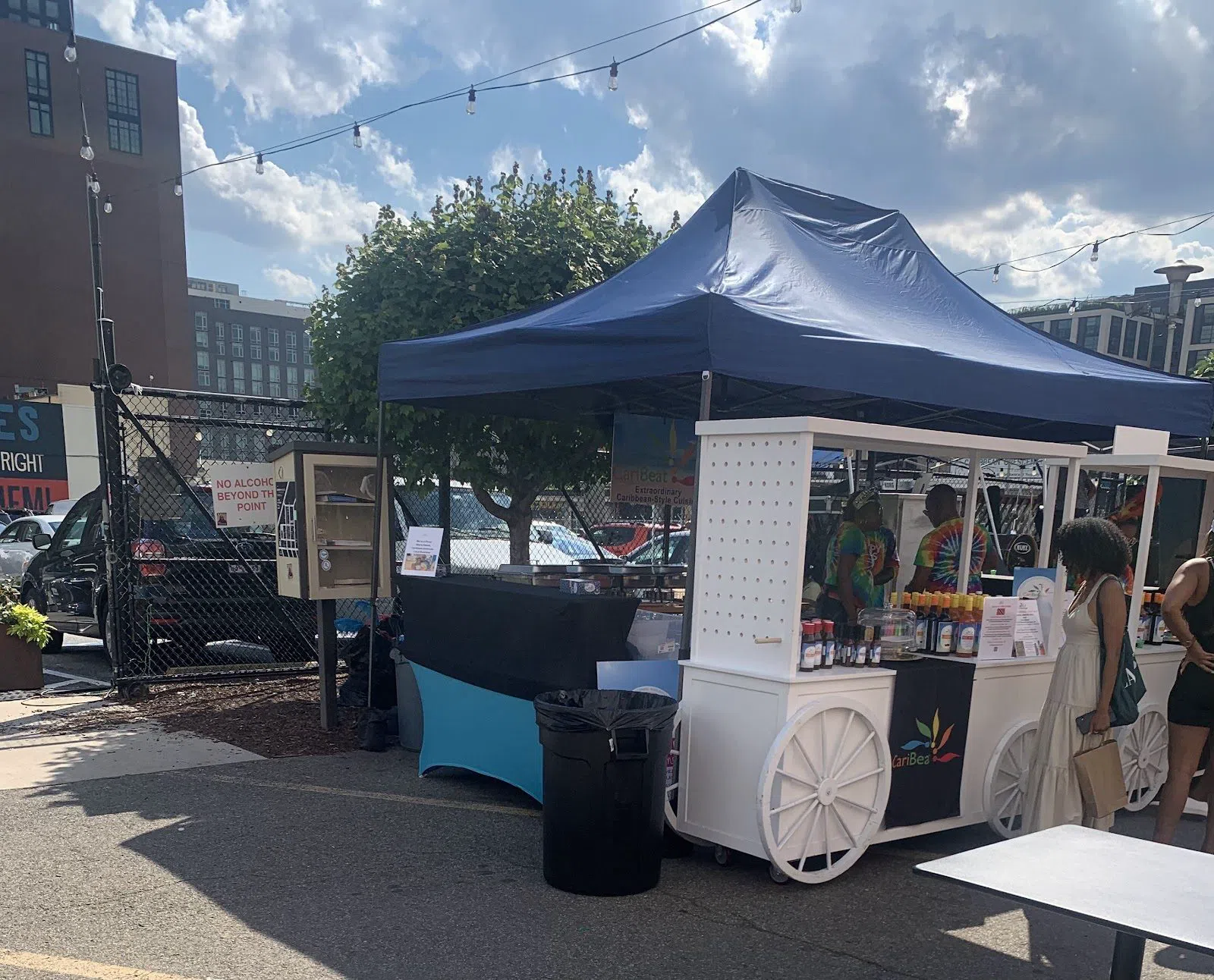
Union Market (NoMa, northeast Washington) is the most reliable place in the city to feed a group with clashing tastes at short notice: more than 50 independent traders under one roof, communal tables, walk-in, no reservations. The Latin American marketplace La Cosecha sits next door and there is an open-air rooftop bar above. Two centuries of wholesale-market history sit under it, in a stretch of the northeast that no first-time itinerary reaches by accident; it is a short walk from NoMa-Gallaudet U Metro. Budget $10 to $25 a head.
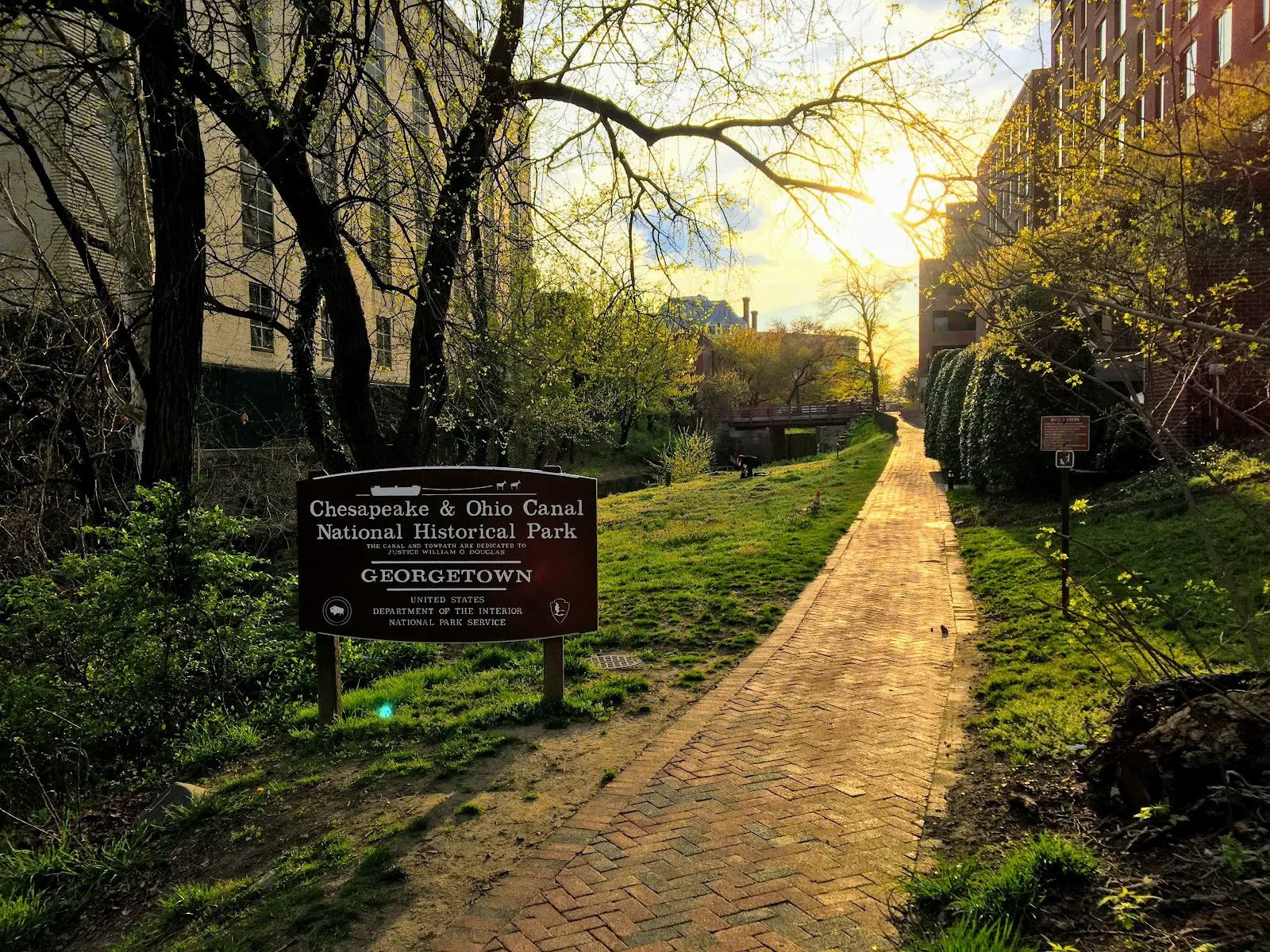
Georgetown and the C&O Canal towpath (Georgetown, west of the centre) gives you the flattest, quietest hour of walking in Washington. The canal through Georgetown has come through a multi-year National Park Service and Georgetown Heritage restoration of its locks and walls and is watered again, and the towpath runs level from the Potomac up past the old warehouses. It is narrow through the Georgetown mile, so a large group strings out single file rather than walking abreast, pleasant enough but not a place for conversation in a party of ten. Do not build the day around the canal boat; its season is short and historically runs spring to mid-August, so check before you count on it in late October.
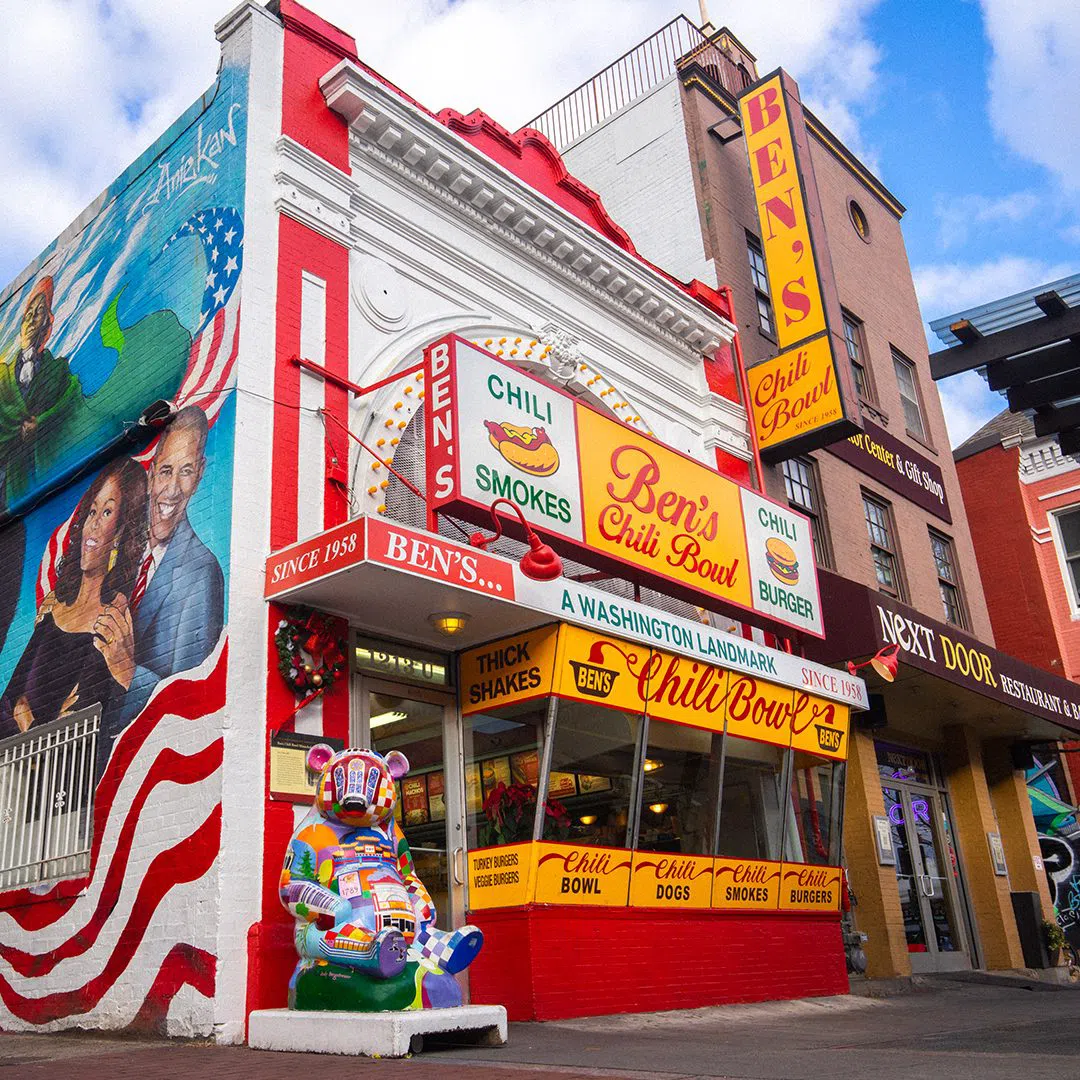
Ben's Chili Bowl (U Street corridor, 1213 U Street NW) opened in 1958 and made the chili half-smoke a Washington dish. The original reopened in May 2026 after ten months of renovation, so you get the landmark freshly restored rather than boarded up. Counter service, no reservations, communal seating, 11 a.m. to 11 p.m. Sunday to Thursday and through to 4 a.m. on Friday and Saturday. That makes it the after-hours option in a city with few of them. Queues build late.
Arlington runs on a winter clock from 1 October
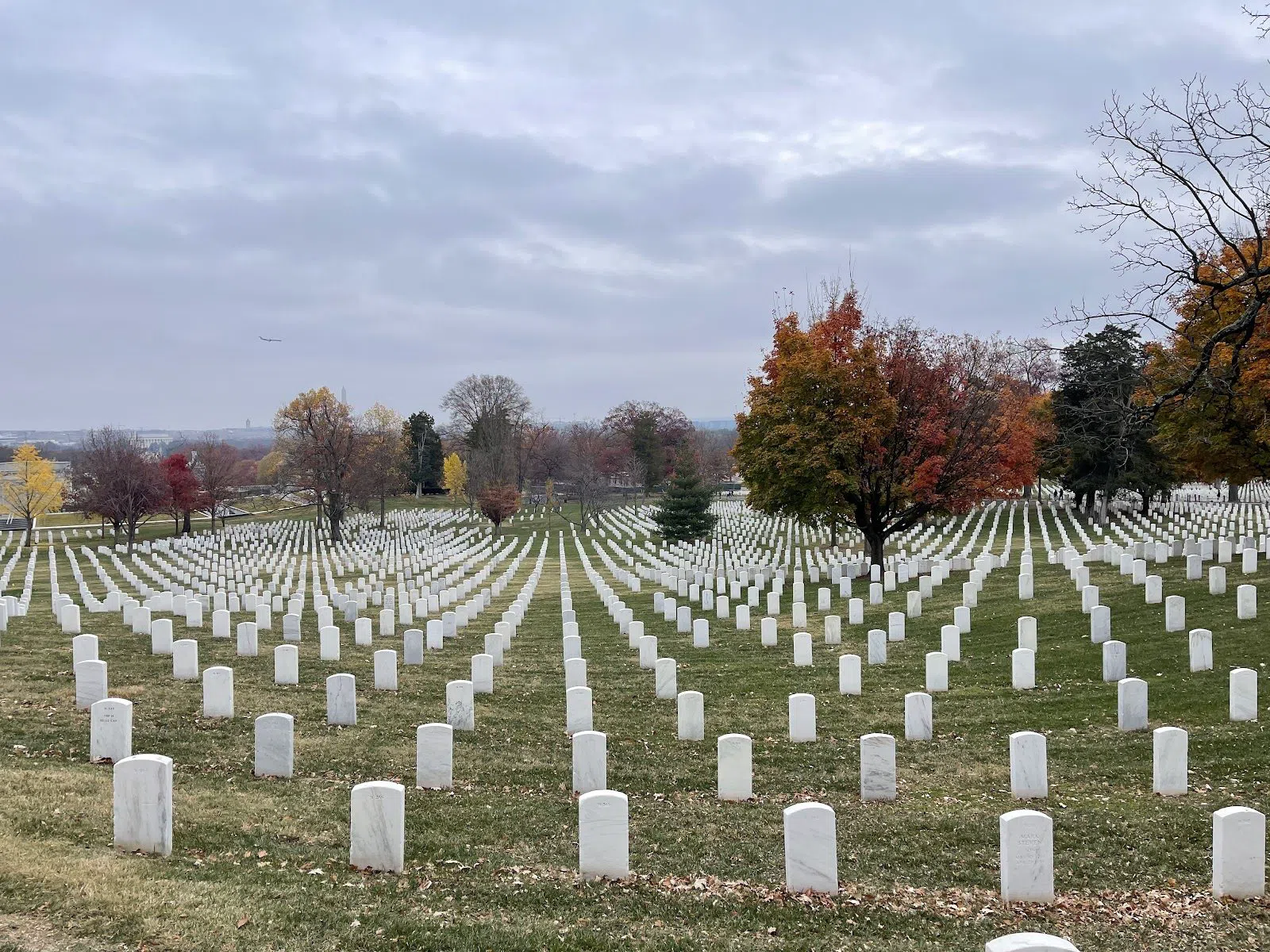
Arlington National Cemetery (across the Potomac, on its own Metro stop) is free to enter, and the timing rule matters more than anything else about it. From 1 October to 31 March the grounds close at 5 p.m. and the Changing of the Guard at the Tomb of the Unknown Soldier drops to once an hour, on the hour, instead of every half hour. Turn up at twenty past without checking and you have a 40-minute wait or a miss. The hop-on hop-off guided tram runs every 30 minutes from 8.30 a.m., last departure 4 p.m., at roughly $20 an adult, and it is the practical choice for anyone in the party who cannot manage the hills, which are steeper and longer than the map suggests. The free ANC Explorer app maps individual graves if you are looking for one.
Shenandoah at the tail end of the colour
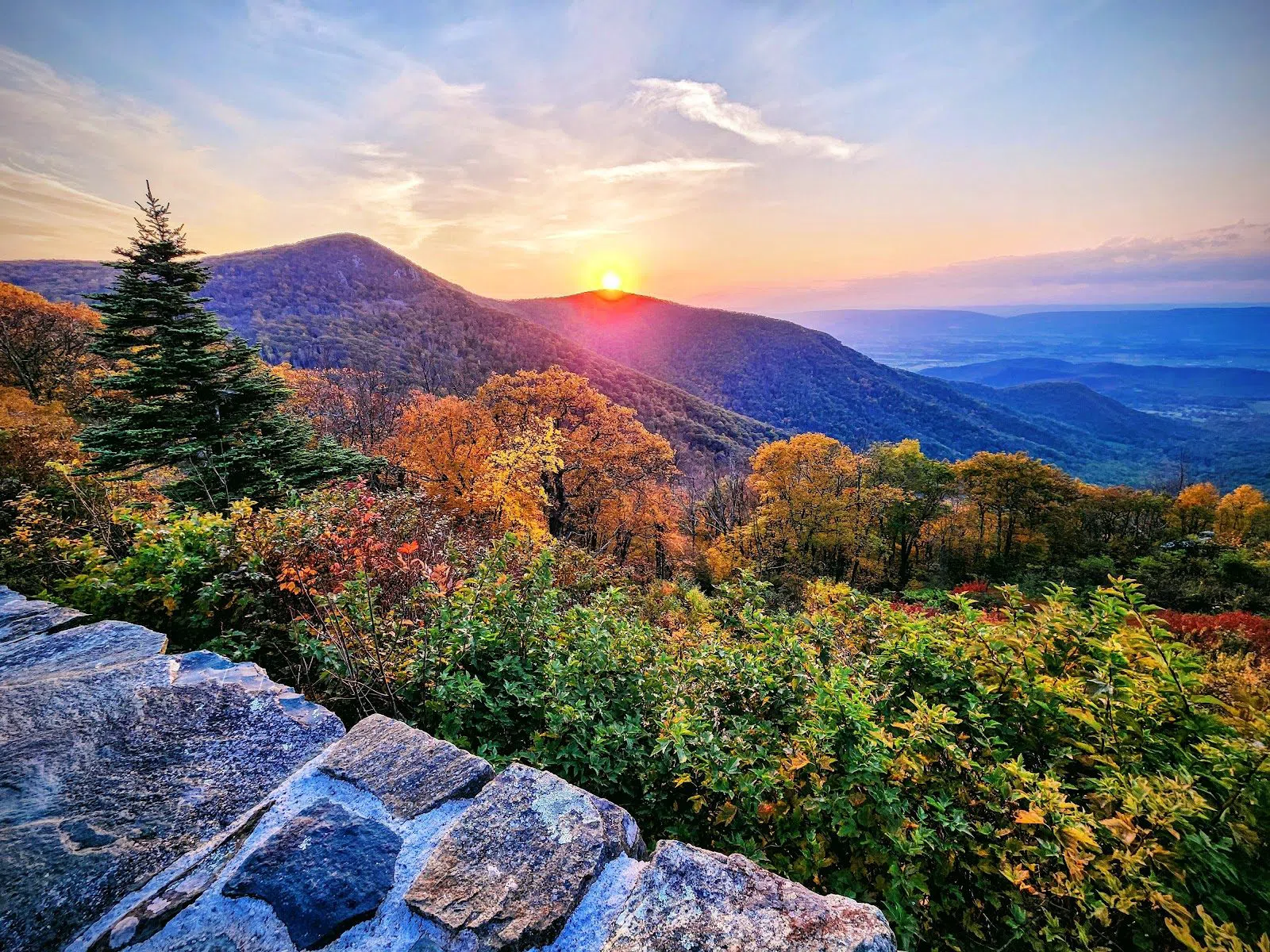
The honest version first. Peak colour on Shenandoah National Park (Skyline Drive) usually falls between about 10 and 25 October, with the third week the most reliable window, so a late-October trip catches the end of the show rather than the middle of it, and lands squarely in the worst of the crowds. If your dates run to the very end of the month, treat the ridges as a good drive with patchy colour rather than a foliage pilgrimage, and decide accordingly.
If you go: the park's northern entrance is about 75 miles from Washington, roughly 90 minutes in clear traffic and considerably more if you leave at nine on a Saturday. Entry is $30 per vehicle, valid seven consecutive days, and the fee is per car rather than per person, so a group sharing one vehicle pays once. The park has been cashless since 2025. No reservation is needed for the park itself; Old Rag is the exception and requires a separate day-use ticket from 1 March to 30 November. Leave the city early, allow three to four hours in the park as an absolute minimum, and a full day if you want to get out and walk.
Shaping five nights
A workable frame: one Mall day built around your Air and Space slot with the National Gallery as the flexible half and the Portrait Gallery filling the 5.30 gap; one morning at the African American History museum with the Tidal Basin loop after it, walked again at night; one Capitol Hill day pairing the Capitol tour with the Library of Congress and Eastern Market, avoiding Sunday and Monday for both buildings; one western day of Georgetown, the towpath and Arlington, watching the 5 p.m. close; and either the Holocaust museum plus Union Market, or the Shenandoah drive, depending on how much you want the ridges. Slot the Old Post Office Tower into a Wednesday-to-Saturday morning wherever one falls free. Full detail on districts and seasons sits in the Washington guide.
Practical notes for late October
Metro is the spine and it reaches Arlington, NoMa and Capitol Hill directly; a rechargeable SmarTrip card, physical or on a phone, covers rail and bus, and fares run higher at peak. You will still walk five to eight miles on a museum day, so the shoes matter more than the transport plan. A car is a liability in the city and only worth hiring for the Shenandoah day.
Washington is effectively cashless. The national park is officially so, and market traders and counter-service places overwhelmingly take cards, but carry a small amount for tipping. Layers, not a coat: late October swings between a cool morning and a mild afternoon, and the wind coming off the Tidal Basin makes it feel colder than the number suggests. Dark falls around 6.30 p.m. at the start of the month's last week, earlier once the clocks change, which is an argument for the memorial loop after dinner rather than a reason to stay in.
On money, the sights themselves barely register: the entire ticketed list above costs $1 a head at the Monument. Real spending goes on beds and food, reckon on $8 to $25 a head for market and counter meals and more for sit-down dinners, so the lodging decision does most of the work on the budget. Staying near a Metro station on the Blue, Orange or Silver lines buys back more time than staying on the Mall does; compare rates and locations through Washington hotel search. Book the museum passes the day they release, and everything else can stay flexible.
Before you go
How far ahead do I need to book Washington's free museum passes?
It varies by sight. Air and Space passes release roughly a month ahead and are the hardest to get, so book within the first hour of the batch dropping. African American History and Culture passes release 30 days out on a rolling basis, with same-day passes at 8.15 a.m. Library of Congress passes open 30 days ahead, same-day at 9 a.m. Capitol tours can be booked up to 90 days ahead. Washington Monument tickets release 30 days out at 10 a.m. ET, with a second batch at 3 p.m. the day before.
Is late October too late for autumn colour in Shenandoah?
It is the tail end. Peak usually falls between about 10 and 25 October, with the third week the most reliable, so a trip in the final days of the month sees fading colour and the heaviest crowds of the season. If your dates land in the last week, go for the drive and the ridge views rather than expecting a foliage spectacle, leave Washington early, and allow three to four hours in the park at minimum.
What is there to do in Washington after 5.30 p.m.?
Most Mall museums shut at 5 or 5.30 p.m., which leaves an awkward hour. The National Portrait Gallery and Smithsonian American Art Museum stay open until 7 p.m. every day, free and without tickets. The Tidal Basin memorial loop is lit and open after dark, which is when it is at its best: about two miles on foot, free, and open at any hour.
Do I need a car in Washington?
No, and it is a liability in the city. Metro reaches Arlington National Cemetery, NoMa and Capitol Hill directly, and the federal core is walkable end to end. The only trip that justifies a hire car is Shenandoah, where the $30 fee is charged per vehicle rather than per person, so one car shared across a group pays once.
Which days catch first-timers out when planning a Washington itinerary?
Three. The Library of Congress is closed Sunday and Monday; the Capitol Visitor Center is closed Sunday; and Eastern Market's South Hall is closed Monday. From 1 October, Arlington's grounds close at 5 p.m. and the Changing of the Guard runs only once an hour. The Old Post Office Tower is open Wednesday to Saturday, 9 a.m. to noon only. Lay those constraints down first and fill the rest around them.