The Washington issue
The Smithsonian Without the Foot Pain: A Museum Strategy for Washington's National Mall
The Mall holds more free world-class museums than any sane person can walk in a day — here is how to choose, pace, and actually enjoy them in 2026.

By Noa BergströmThe District, one neighbourhood at a time
The National Mall is nearly two miles of open lawn hemmed by pale neoclassical stone, and somewhere along its length is very likely the reason you flew to Washington. The trouble is that the Smithsonian gives away eleven world-class museums for free, and the human body was not designed to absorb eleven of anything in a single day. What follows is not a list of everything — it is a strategy: which rooms are worth your legs, which need booking weeks ahead, and how to walk the Mall so that you finish the day thinking rather than limping.
Start with the one that needs a plan
Two museums on this list will quietly ruin an improvised day, and both sit near the Mall's eastern end. Book them first, then build around them.
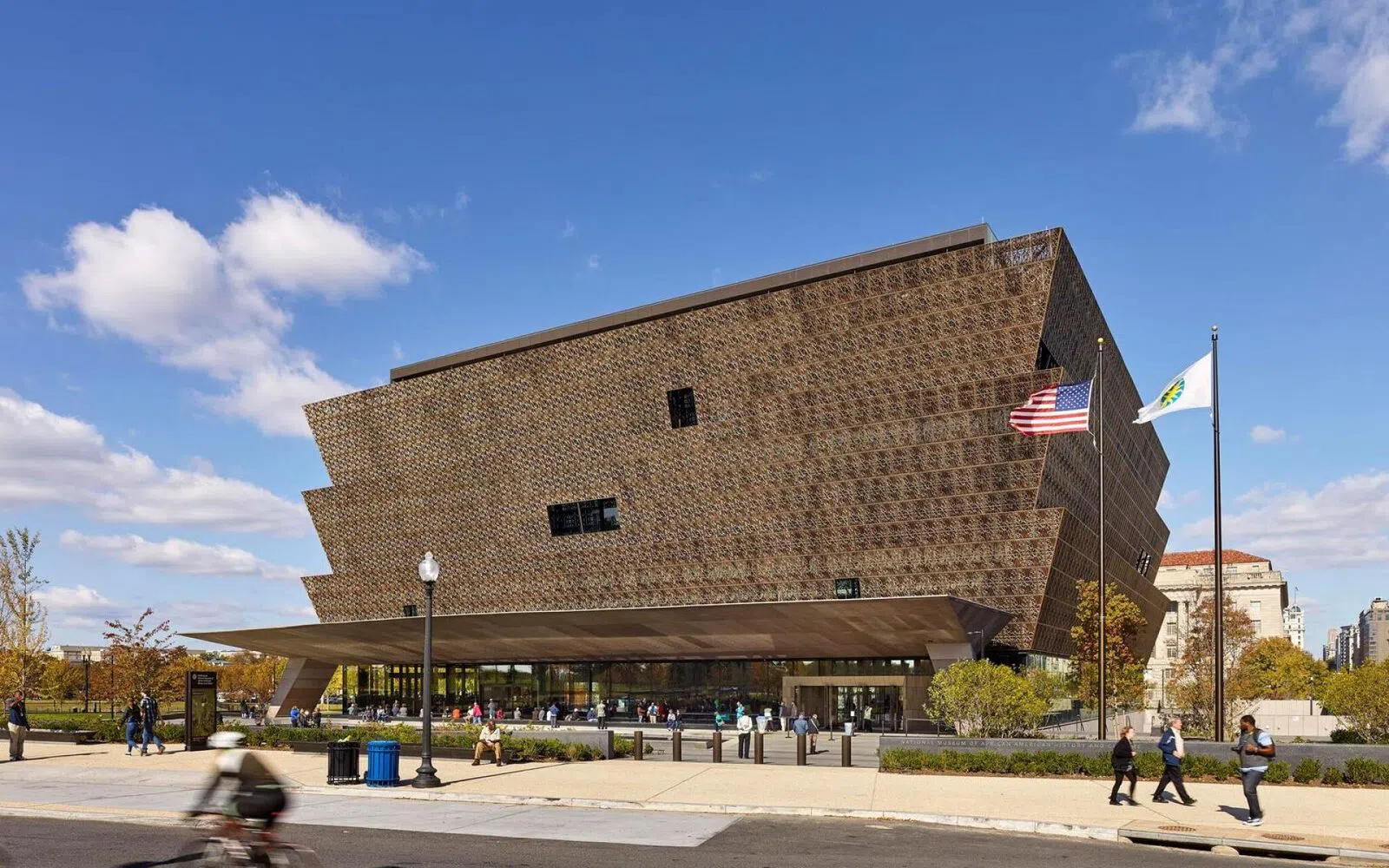
The first is the National Museum of African American History and Culture (Mall, near the Washington Monument). It is the most architecturally arresting building on the Mall — a bronze-latticed corona that seems to lift off its plinth — and its narrative arc, climbing from the hold of a slave ship up through Reconstruction, Jim Crow, and the present, is the single most powerful sequence of rooms in the city. It is also the hardest to get into. Entry is free but requires a timed-entry pass, and it routinely sells out; reserve weeks ahead, not the night before. Give it a clear half-day and start at the bottom history galleries early, before the crowds compress the lower levels.
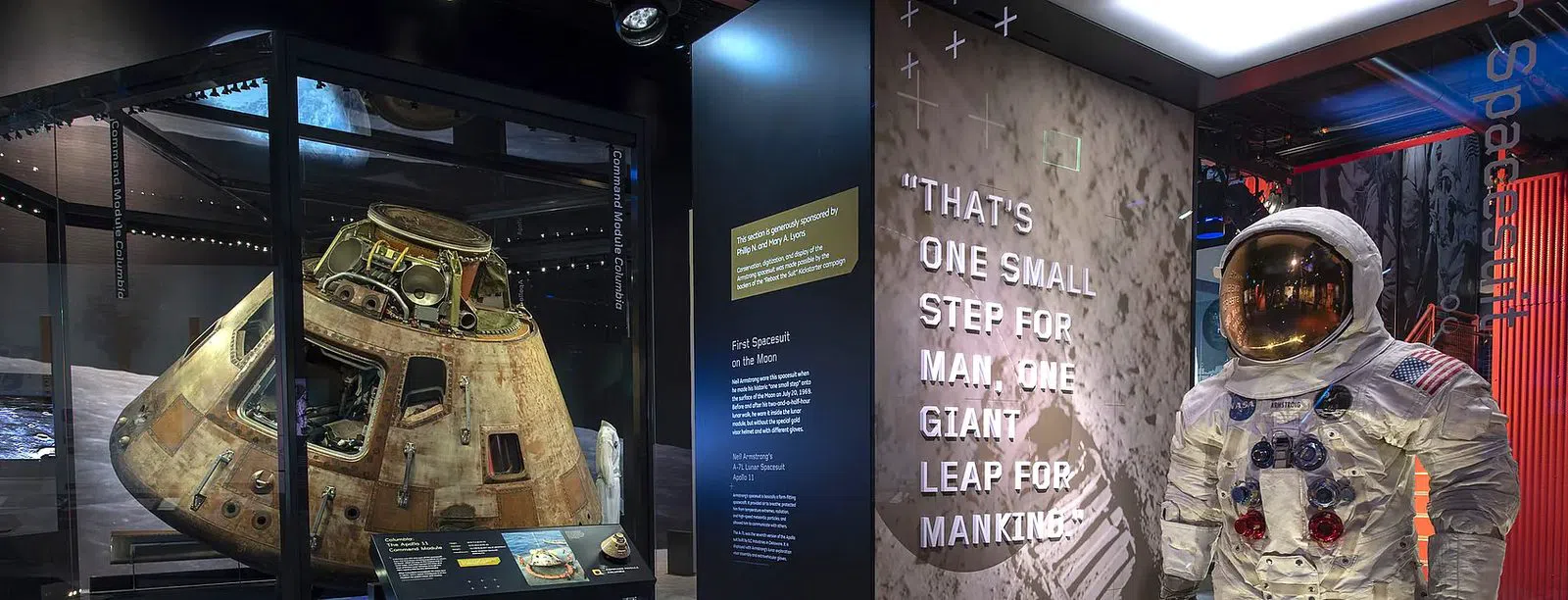
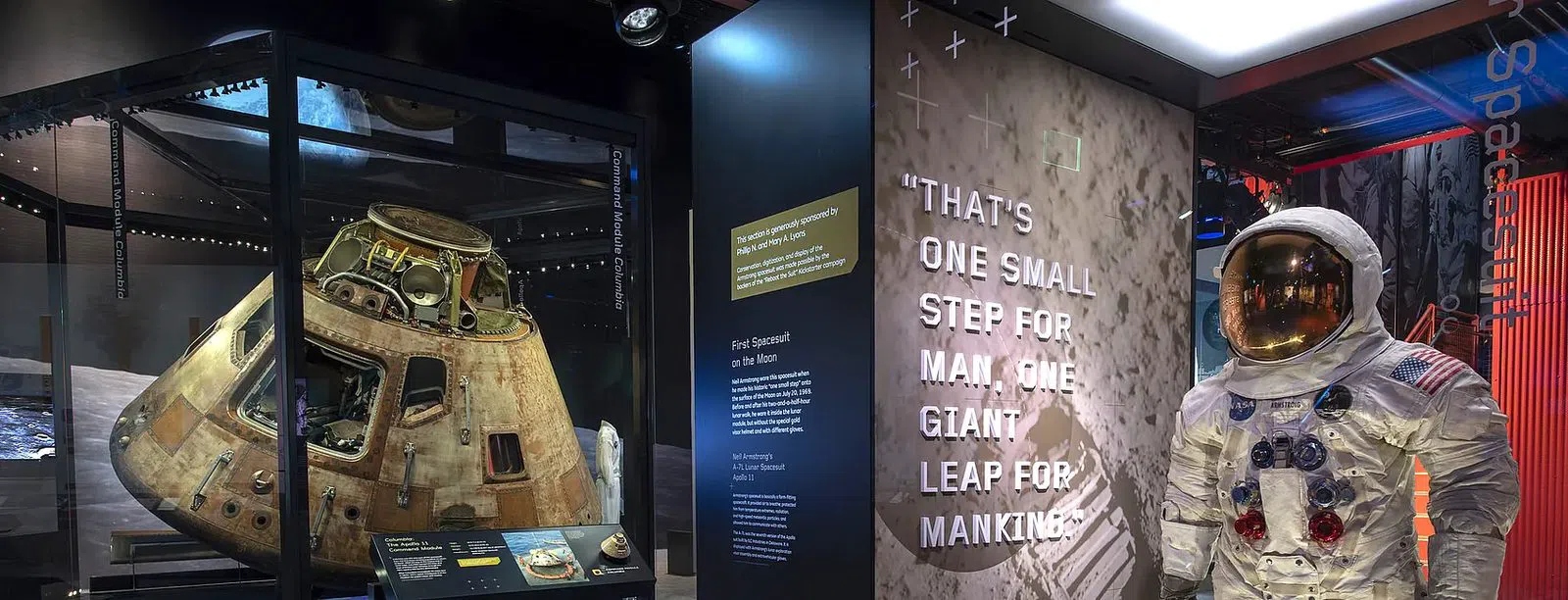
The second is the National Air and Space Museum (Mall, at Independence and 6th). For an international audience this is the crown jewel, and 2026 is an unusually good year to see it: five new galleries reopened on 28 July 2026 for the museum's 50th anniversary, with the full renovation completing in the autumn. Free timed-entry passes are required for everyone, so book online before you go rather than trusting the door. Groups of ten or more should reserve through Smithsonian group services well in advance — this is not a museum you talk your way into on a busy Saturday.
Both are free. Both can be spoiled by not booking. Treat them as the fixed points of your trip and let the rest flex.
Plan your Washington trip
Live prices from our booking partners.
Free cancellation on many rooms. We may earn a commission when you book.
The great free halls: for families, for groups, for first-timers
If you have children, or a group with mixed appetites, three museums on the Mall's north and south flanks will carry a whole day without a single timed pass between them.
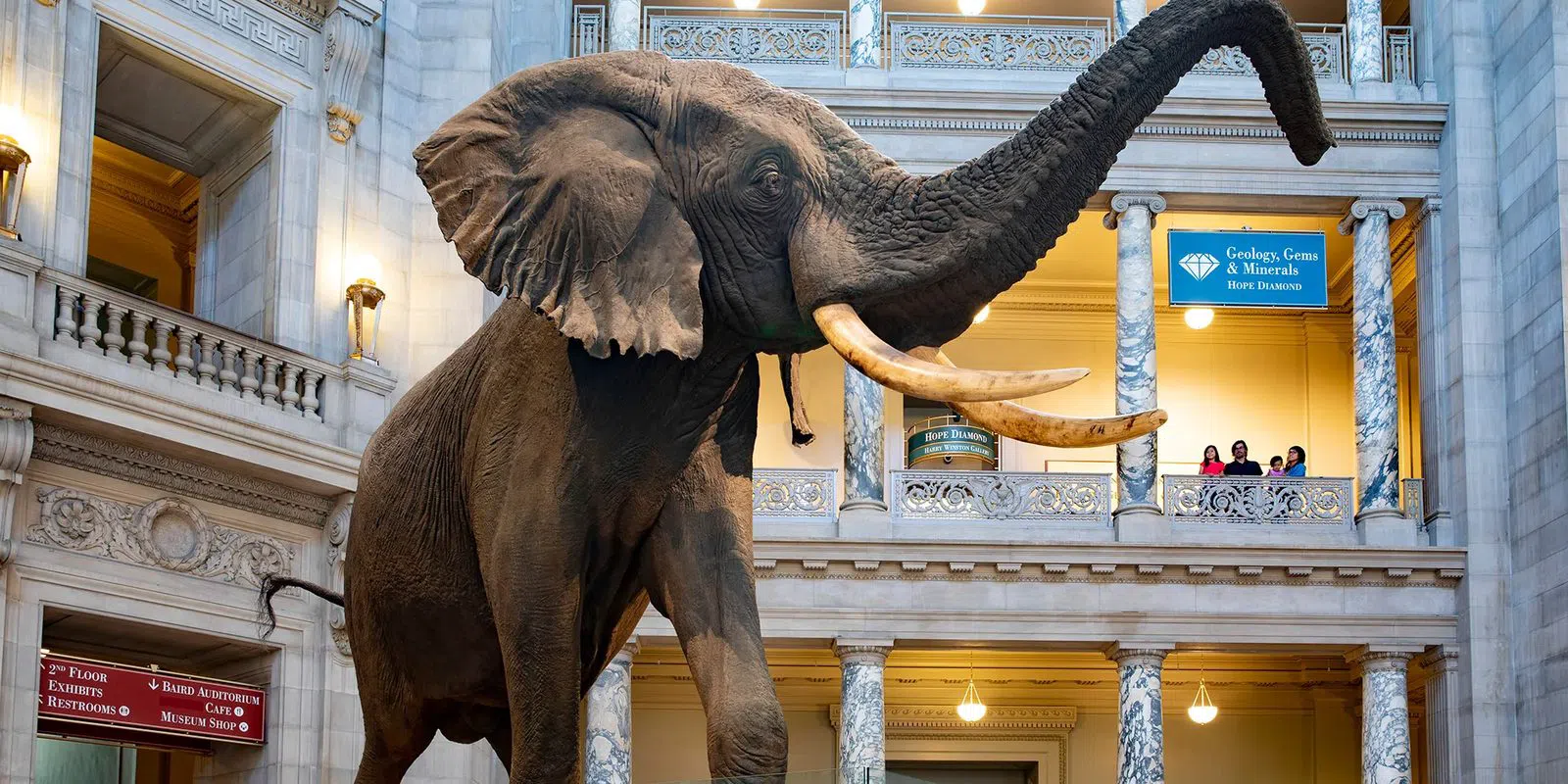
The National Museum of Natural History (Mall, north side at 10th) is the workhorse: one of the most visited museums on earth, endlessly kind to children, and free with no timed pass needed. The Hope Diamond and the dinosaur hall are the unmissable anchors, and they are genuinely worth the billing rather than merely famous. Large groups can pre-register for entry and guided highlights, which is worth doing simply to skip the queue-management confusion at the door.
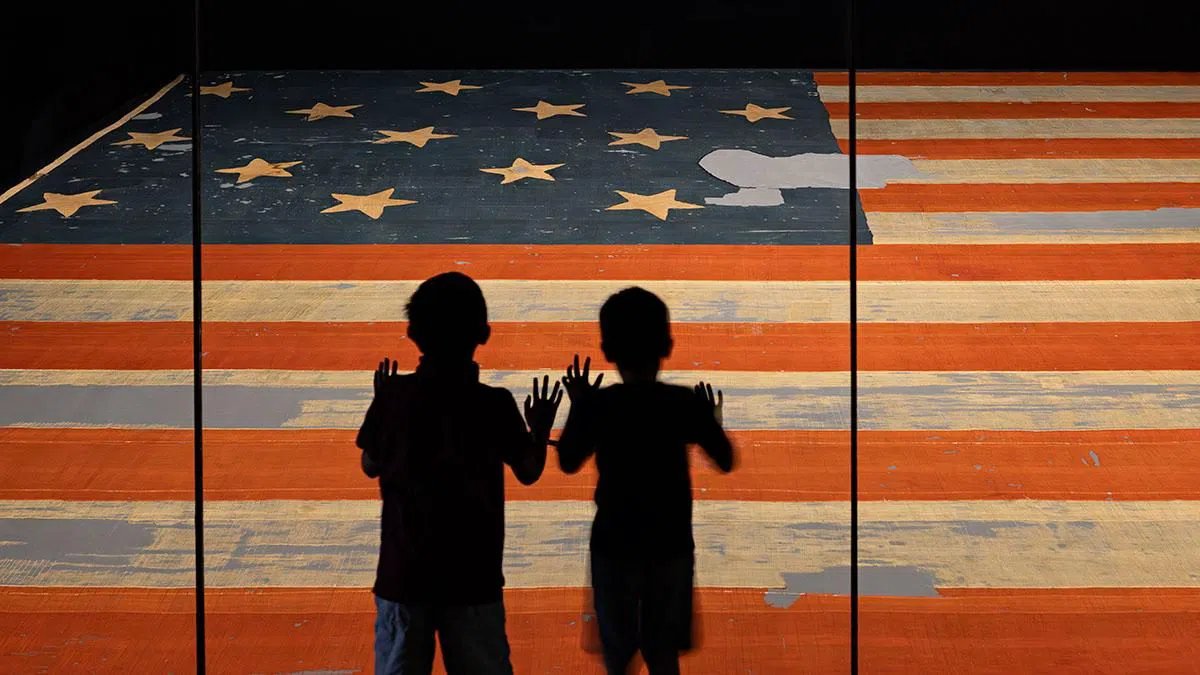
A short walk east brings you to the National Museum of American History (Mall, north side at 14th), and for an overseas visitor this is the best single stop for decoding the country you are standing in. It is where American pop culture and political history are laid out side by side — Dorothy's ruby slippers in one hall, the original star-spangled flag that gave the anthem its name in another. It is group-friendly with no timed pass, and advance group registration is available. An hour here explains more of the United States than a day of monuments.
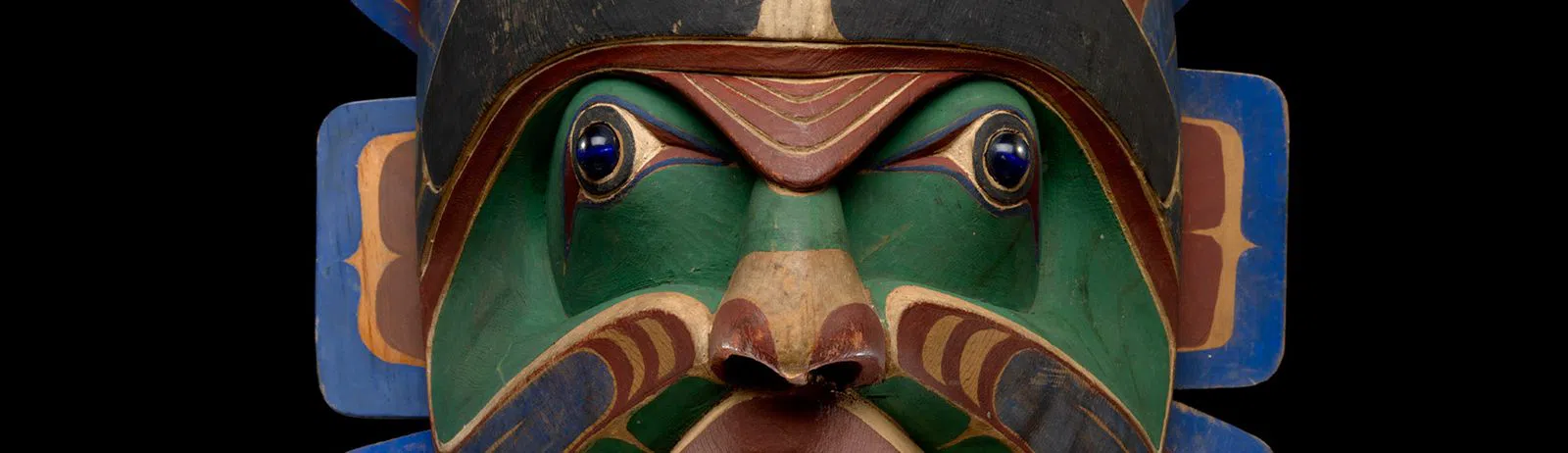
For the third, cross to the Mall's south side and the National Museum of the American Indian (Mall, south side at 4th). Its Native-designed building — all curved, honey-coloured limestone, as if weathered by wind rather than cut — is a relief after the rectilinear marble of its neighbours, and it is usually less crowded. No timed pass is needed. The real draw for many groups is the Mitsitam Native Foods Café, which serves regional Indigenous dishes and makes a far better lunch than the Mall's grim food carts. Time your visit to eat here and you solve two problems at once.
Art with elbow room: the quieter Mall
Washington's art museums are, mercifully, the calm end of the spectrum. None require a timed pass, and most reward couples and slow lookers more than they reward big tour groups in a hurry.
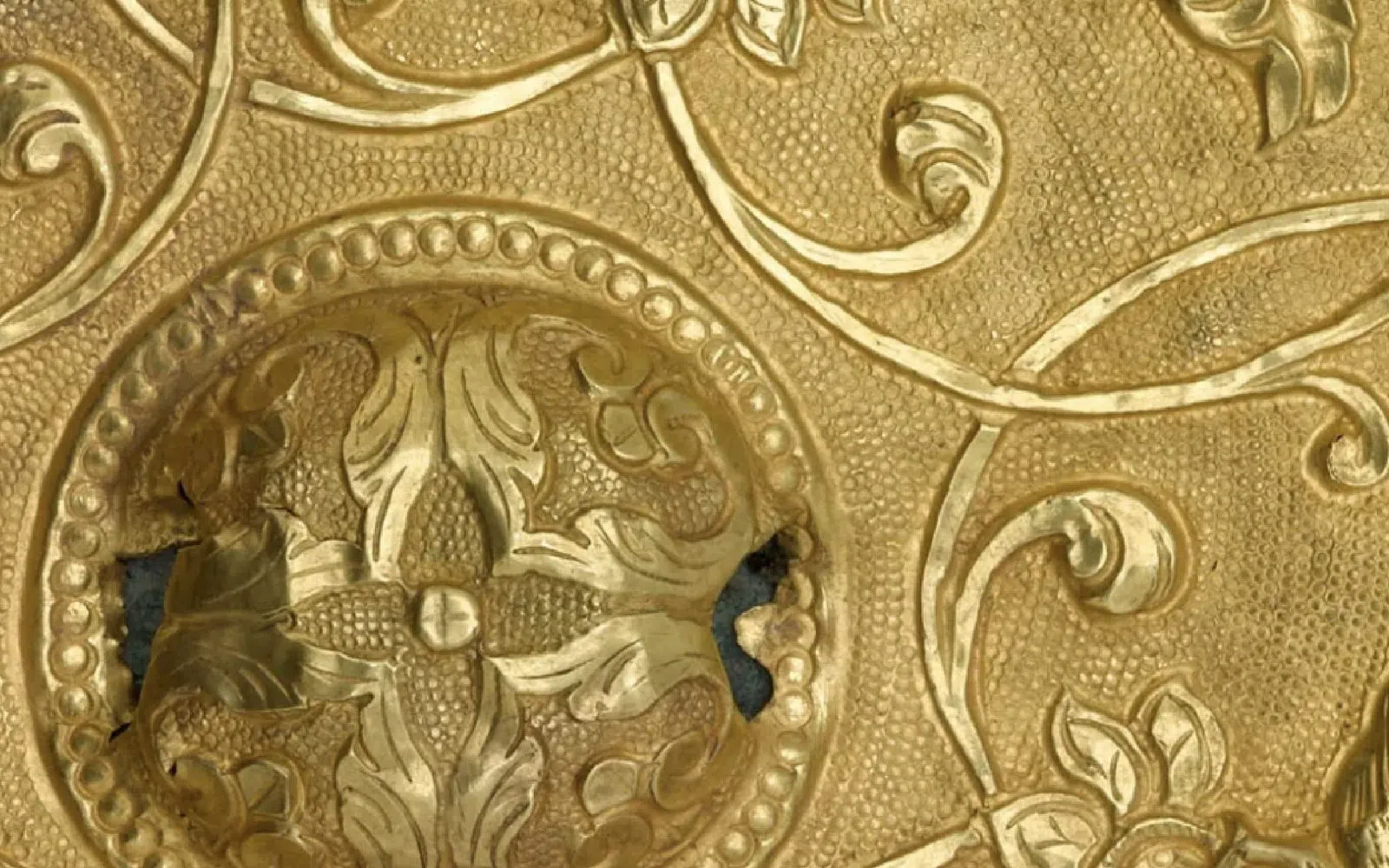
The National Museum of Asian Art (Mall, south side at 12th) — the institution formerly known as the Freer|Sackler — is the quietest room on the Mall and hides one of its greatest interiors: Whistler's Peacock Room, a dining room lacquered in blue and gold that the artist repainted, to his patron's fury, into a single obsessive work of art. Entry is free, guided tours are bookable, and you will often have the galleries close to yourself. For art-minded travellers it is the antidote to the Air and Space scrum a few hundred metres away.
The Hirshhorn Museum and Sculpture Garden (Mall, south side at 7th) is the Mall's modern and contemporary anchor, a great concrete drum raised on piers that photographs as well as anything it contains. It is group-friendly with no timed pass. One honest caveat: the sunken sculpture garden is under renovation until October 2026, so if you are coming for the outdoor works specifically, temper your expectations — the plaza sculptures around the building remain on view, and the building itself is the real photograph.
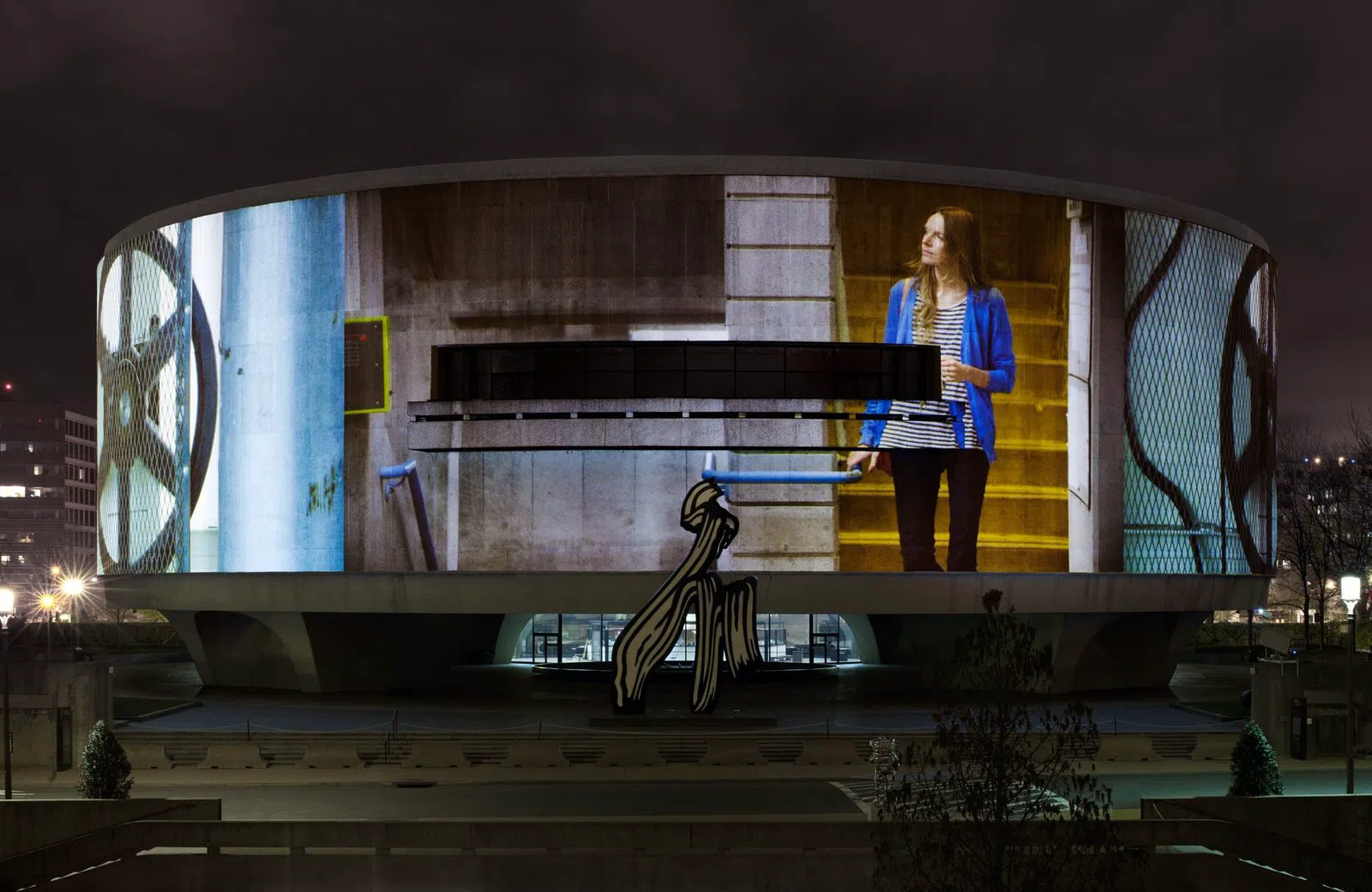
Just off the Mall: two rooms and a courtyard worth the detour
Some of Washington's best museum hours are a short walk north of the lawn, in the Penn Quarter, and they are easy to fold into an afternoon.
Under a single roof at 8th and F Streets sit two distinct museums, and they deserve to be counted separately. The Smithsonian American Art Museum (Penn Quarter) is worth entering for the Kogod Courtyard alone — a covered inner court under an undulating glass canopy, and the best free place in the city to sit down, which on a Mall day is not a small thing. The collection of American art is strong in its own right. Sharing the building and its entrances is the National Portrait Gallery (Penn Quarter), a genuinely separate museum despite the address, and for many visitors a pilgrimage: the Obama portraits hang here, and the queue to see them tells you how far people travel for the pleasure. Both are free, both are group-friendly, and doing the two together makes the walk north unarguably worth it.
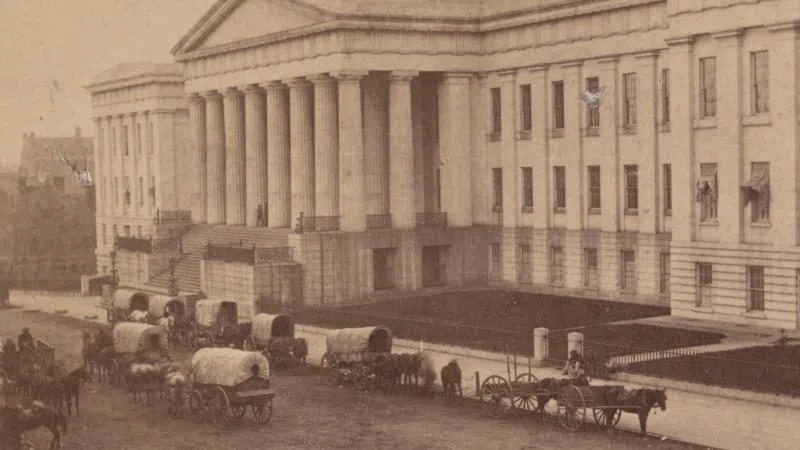
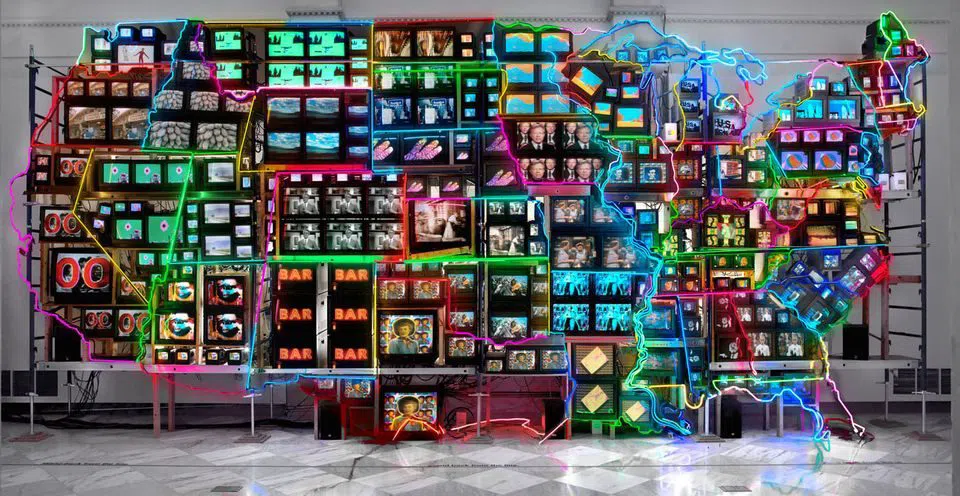
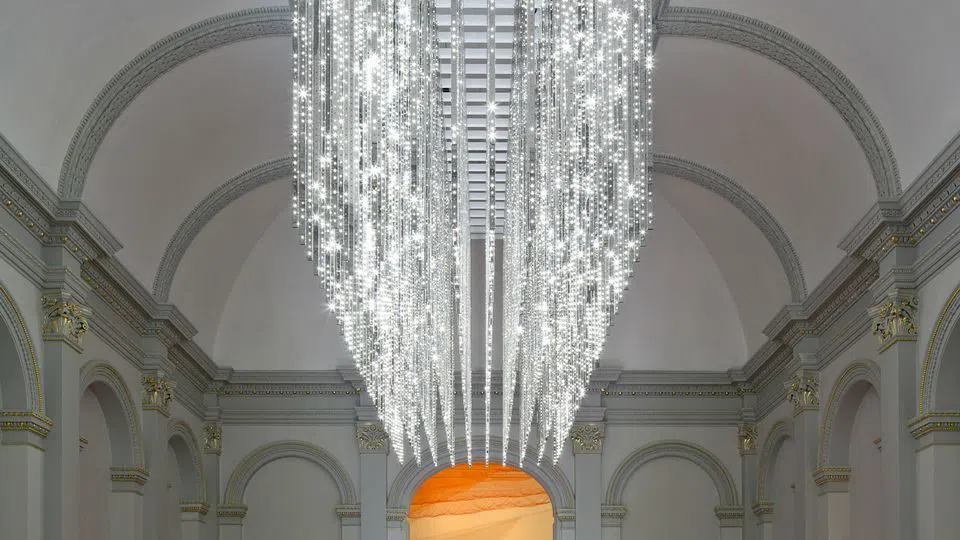
A few blocks west, steps from the White House, the Renwick Gallery (near Lafayette Square) is a jewel-box museum of craft and design in a Second Empire building that predates most of the Mall's institutions. It is small — an hour is plenty — and its bold, room-filling installations photograph brilliantly. It is group-friendly with no timed pass, and its compactness makes it the ideal quick stop when you have energy for one more room but not for another marathon.
The under-visited add-ons
Three Smithsonian museums sit far enough from the central lawn that most visitors never reach them — which is precisely their appeal.
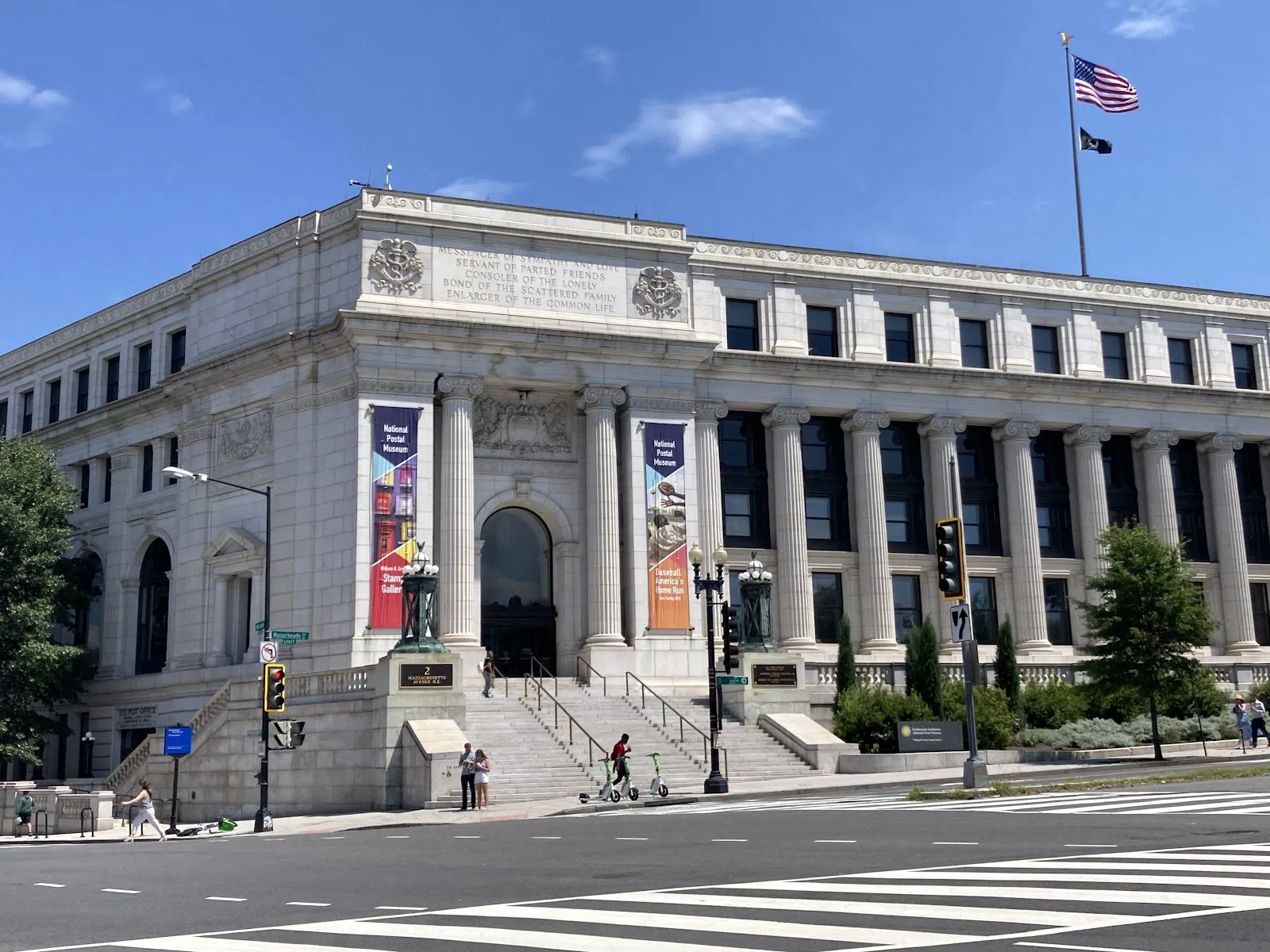
The National Postal Museum (near Union Station) is the easiest to justify: it is right beside the train station, rarely crowded, free, and needs no timed pass. It is far more engaging than "stamps" suggests, with early airmail aircraft hanging overhead and enough for families to make it a painless hour before or after a train.
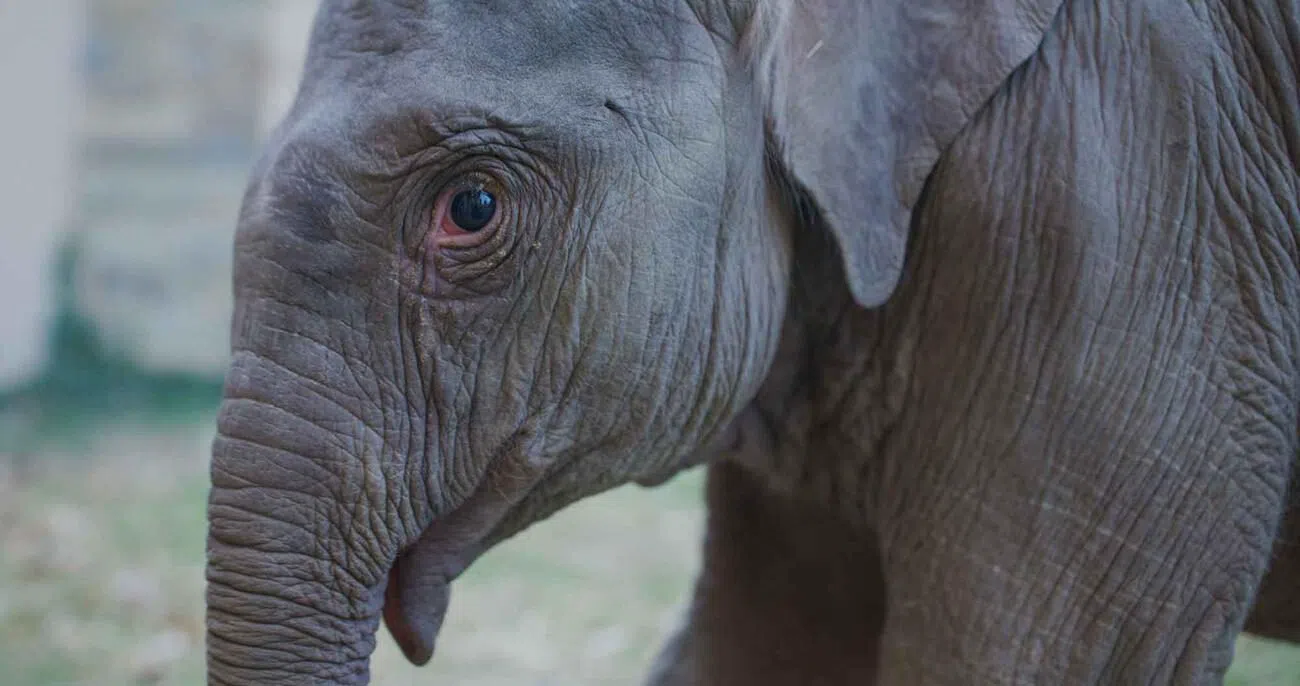
The Smithsonian's National Zoo and Conservation Biology Institute (Woodley Park, up Connecticut Avenue) is a proper expedition rather than a Mall stop, but it is the only free major zoo of its kind and a top pick for families. Free entry passes are required and groups should reserve in advance. The headline draw is the returned giant pandas; go in the cooler morning hours, as the site climbs a wooded hillside and afternoon heat is real.
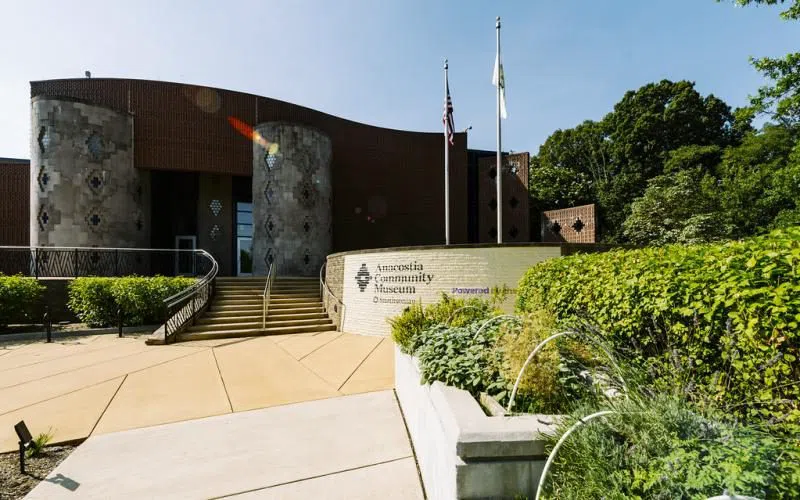
Finally, for travellers who want the city beyond the marble, the Anacostia Community Museum (Anacostia) is the Smithsonian's neighbourhood museum — a rewarding, authentic detour into the histories of the communities east of the river. It is group-friendly, rarely crowded, free, and needs no timed pass. It is genuinely off the Mall, so treat it as a deliberate half-trip rather than a casual drop-in, and go because you want the real DC rather than the postcard one.
An honest day's shape
The mistake almost everyone makes is trying to "do the Smithsonian" as though it were one building. It is a campus, and the winning move is to pick two anchor museums a day and no more — one that needs booking, one that does not — with a courtyard or a café built in as a deliberate rest. Two thoughtful visits will stay with you; six blurred ones will not.
A workable first day: the National Air and Space Museum at opening on a timed pass, lunch at the Mitsitam café inside the American Indian museum across the lawn, then the cool, quiet Peacock Room at the Asian Art museum to end on something unhurried. A second day: the National Museum of African American History and Culture for the morning on its booked pass, then the walk north to the paired American Art Museum and Portrait Gallery, finishing in the Kogod Courtyard.
Practical notes for 2026
Getting there. The Mall is best reached by Metro — Smithsonian, L'Enfant Plaza, Federal Triangle, and Archives stations all put you on the grass within minutes. The Mall itself is walkable end to end, but it is long: budget roughly 30 minutes to walk from the Capitol end to the Washington Monument, and wear the shoes you would wear for a serious walk, because that is what this is.
Passes and money. Every museum here is free — that is the genuine wonder of the Smithsonian — but "free" and "walk-in" are not the same thing. The Air and Space Museum, the African American History museum, and the Zoo all require timed or entry passes booked online in advance; the rest you can enter freely, though large groups should pre-register. Bring a card: café and shop payments are effectively cashless, and prices are in US dollars.
Timing. Arrive at opening (most Smithsonian museums open at 10:00) to have the marquee rooms to yourself; the crowds thicken by late morning, especially on weekends and through the summer. Summer on the Mall is hot and shadeless, so carry water and plan indoor hours for the middle of the day.
Budget. With admission free, your real costs are a bed, food, and transport. Search a Washington hotel search close to a Metro station rather than close to the Mall itself — it is usually cheaper and no less convenient — and read the wider Washington guide for neighbourhoods, seasons, and getting around. Do the museums right and Washington is one of the great cities you can experience deeply for the price of a train ticket and a good pair of shoes.
Before you go
Do I need to book tickets for the Smithsonian museums?
Every Smithsonian museum is free, but not all are walk-in. The National Air and Space Museum and the National Museum of African American History and Culture require free timed-entry passes booked online in advance, and the National Zoo requires a free entry pass. The rest you can enter freely, though large groups should pre-register.
Which Smithsonian museum is best for families with children?
The National Museum of Natural History is the reliable family workhorse — free, no timed pass, and anchored by the dinosaur hall and the Hope Diamond. The National Postal Museum and the National Zoo are also excellent, less-crowded picks for younger visitors.
How many Smithsonian museums can I realistically see in a day?
Two done well, not six done badly. The Mall is a campus rather than a single building; pick one museum that needs booking and one that doesn't, and build in a café or courtyard rest. Two thoughtful visits will stay with you far longer than a blur of half-seen halls.
Which Smithsonian museum is the hardest to get into?
The National Museum of African American History and Culture. Entry is free but requires a timed-entry pass that routinely sells out, so reserve weeks ahead rather than the night before, and start early in its lower history galleries before the crowds arrive.
Is anything on the National Mall closed or under renovation in 2026?
The Hirshhorn's sunken sculpture garden is under renovation until October 2026, though its plaza sculptures remain on view. On the brighter side, the National Air and Space Museum reopened five new galleries on 28 July 2026 for its 50th anniversary, with the full renovation completing in the autumn.