The Washington issue
Washington DC by Metro, Bike and Water Taxi
Washington was laid out for walking and riding rather than driving, so this is how to land, sleep, eat and see the whole first-timer's list without ever hiring a car.

By Noa BergströmThe District, one neighbourhood at a time
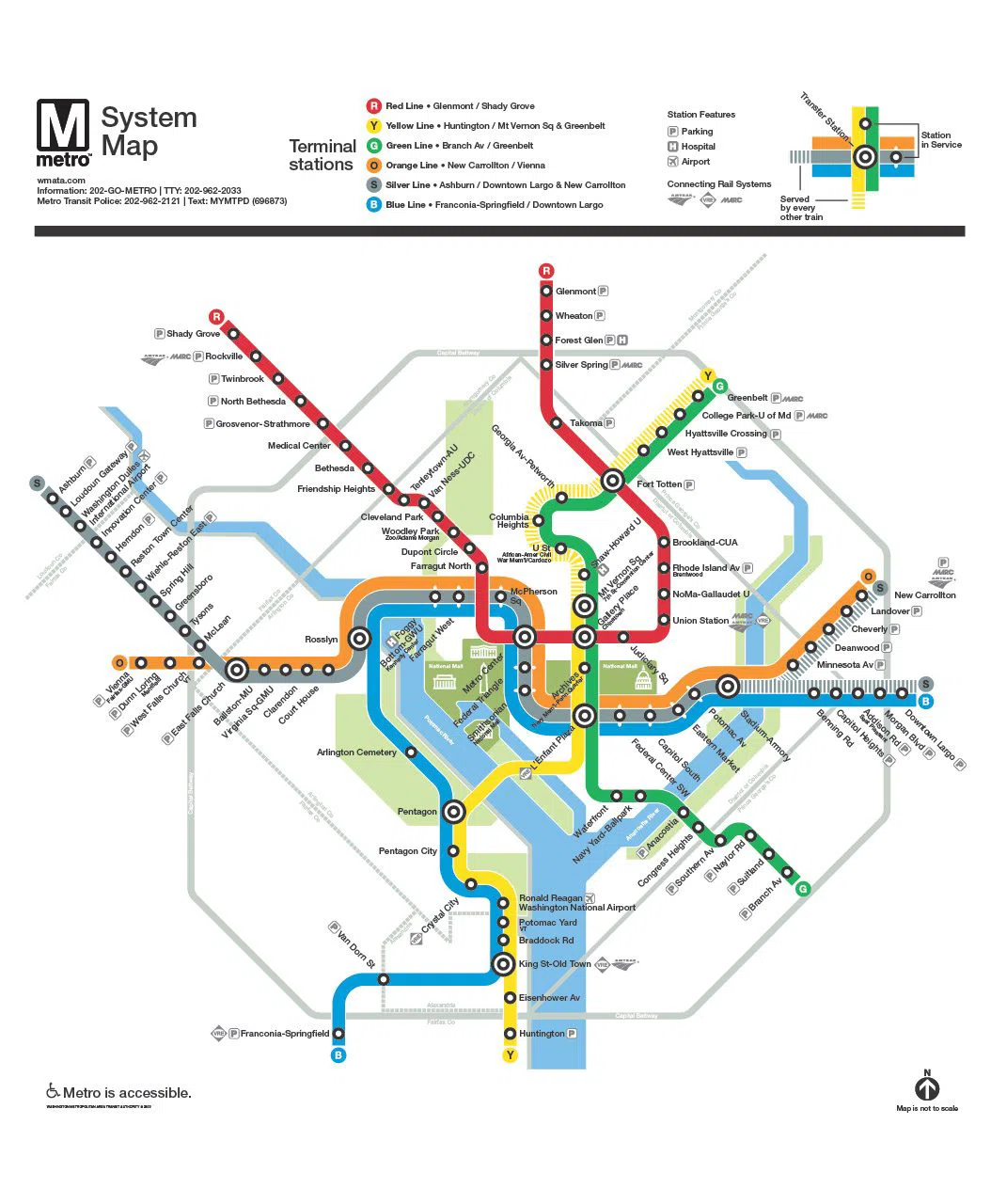
Washington was drawn as a diagram before it was a city: long diagonal avenues laid over a grid, monuments set at the ends of deliberate sightlines, distances chosen to look impressive rather than to be crossed on foot. A diagram is a pleasure to walk and a misery to drive. Between the parking rules, the one-way avenues and the traffic circles that swallow anyone unfamiliar with them, a hire car here buys you nothing. Almost every sight a first-time visitor wants sits within a few blocks of a train, and the gaps between them close with a bike, a boat or a quarter-hour walk.
Arriving and the first tap
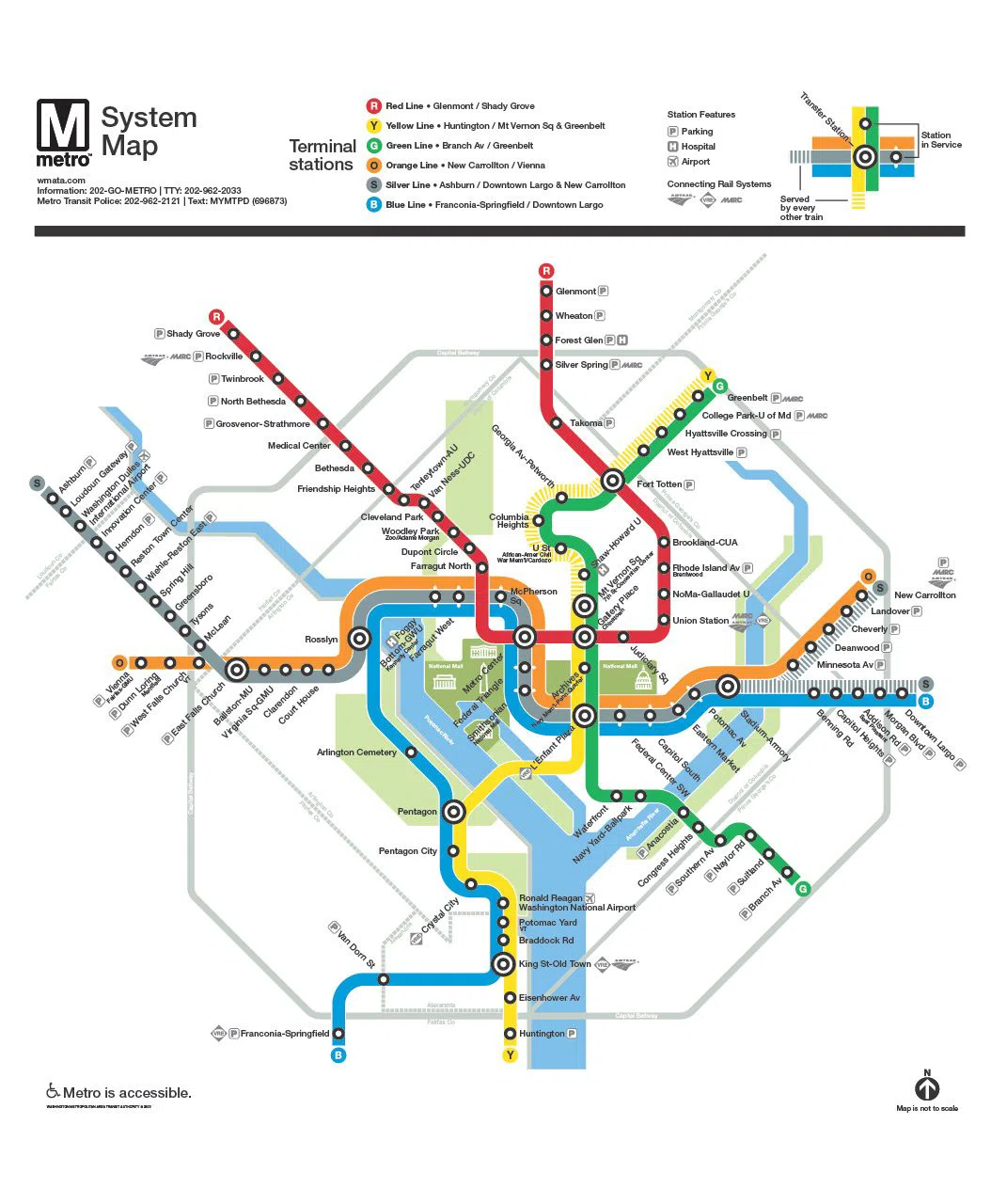
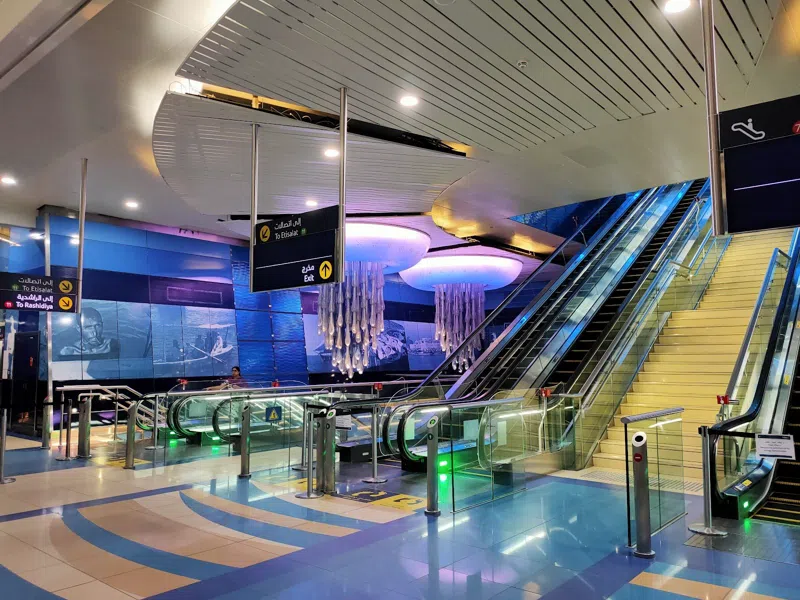
Reagan National Airport sits on the Blue and Yellow lines of Washington Metrorail (WMATA) (citywide), so the car-free trip begins at the terminal door, not at a rental desk. There is no booking of any kind and no group limit: everyone simply taps in. A SmarTrip card costs $2 from any station machine, or you can tap a contactless card or phone straight on the gate. The catch that trips up families is that it is one tap per person, so four travellers need four cards or four phones, and you cannot pass one card back through the gate.
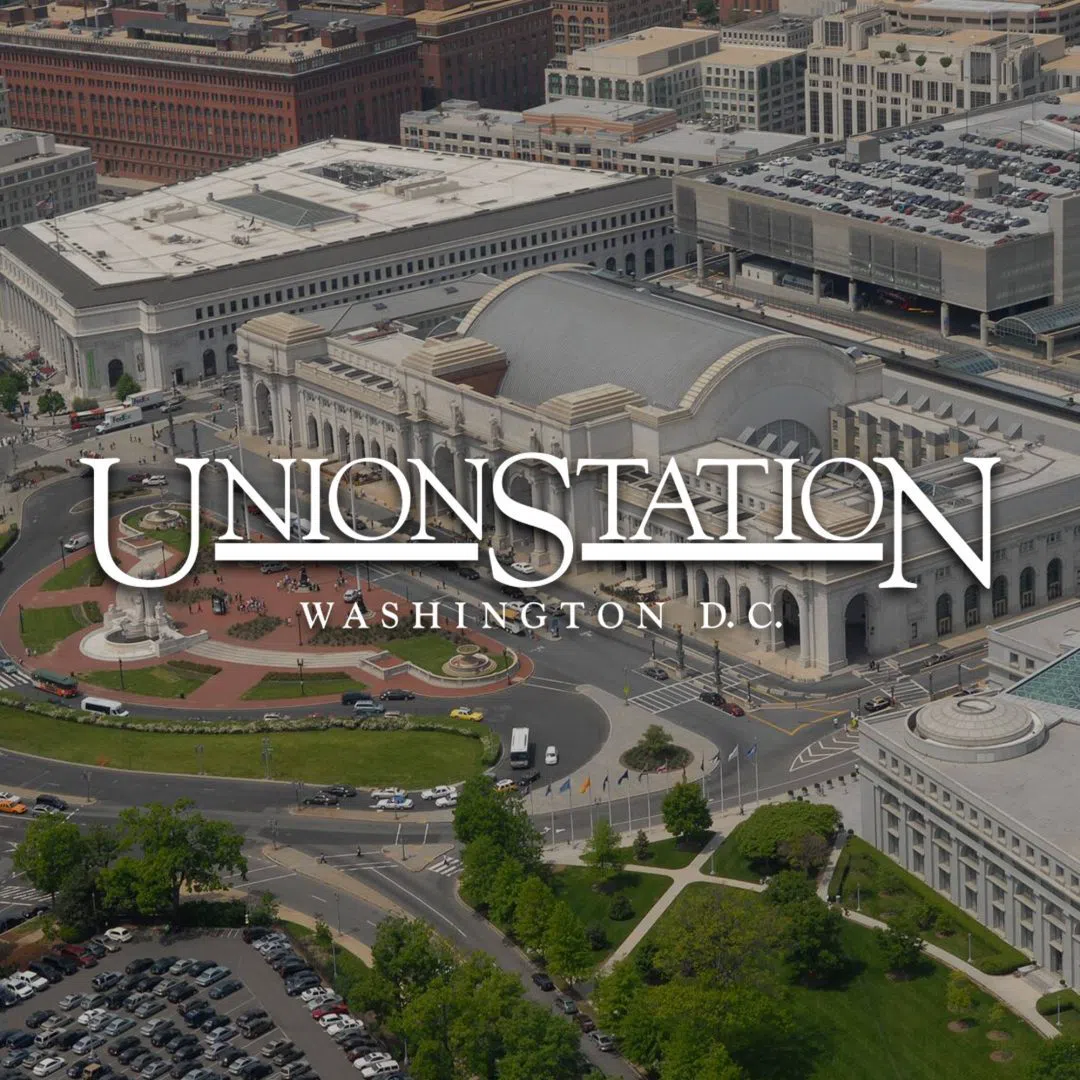
If you come in by train instead, you arrive inside Washington Union Station (north edge of Capitol Hill), which is free to walk into and worth ten unhurried minutes as a building. The great barrel-vaulted hall is the last piece of grand civic architecture most visitors see before the modern city takes over, and it does its job. Be honest with yourself about the rest of it: an ongoing redevelopment keeps adding restaurants and retail, so you will walk past hoardings as well as new openings. Amtrak and the Metro Red Line are downstairs; the intercity bus curbs and the sightseeing trolley stop are directly outside the front door. Food-hall plates run roughly $10 to $25.
Where you sleep does most of the work on a car-free trip. Filter your Washington hotel search by walking distance to a station before you filter by anything else: five minutes to a platform is worth more than a rooftop pool when the day ends at the far side of the Mall.
Plan your Washington trip
Live prices from our booking partners.
Free cancellation on many rooms. We may earn a commission when you book.
What the Metro actually costs
Fares run roughly $2.25 to $6.75 per ride, depending on distance and time of day, which sounds vague until you notice the pattern: peak-hour trips to the outer suburbs sit at the top of that range, and central hops between the sights sit near the bottom. Evenings after 9:30pm and the whole of the weekend are a flat $2.25 to $2.50 regardless of distance, so a late dinner across town costs the same as a stop down the line.
Six lines cover the ground a visitor cares about, and the practical consequence is that you can plan by station instead of by street. Two adults doing four rides a day are spending under $20 between them, less than a single central parking session and considerably less than the ride-hailing fares that pile up when the Mall's museums all close within the same hour and everyone leaves at once.
The Mall is longer than it looks
The National Mall's proportions are the single most common misjudgement in a first Washington itinerary. From the Lincoln Memorial to the Capitol is about two miles of open, treeless ground. It photographs as a stroll and walks like a route march, particularly in July.
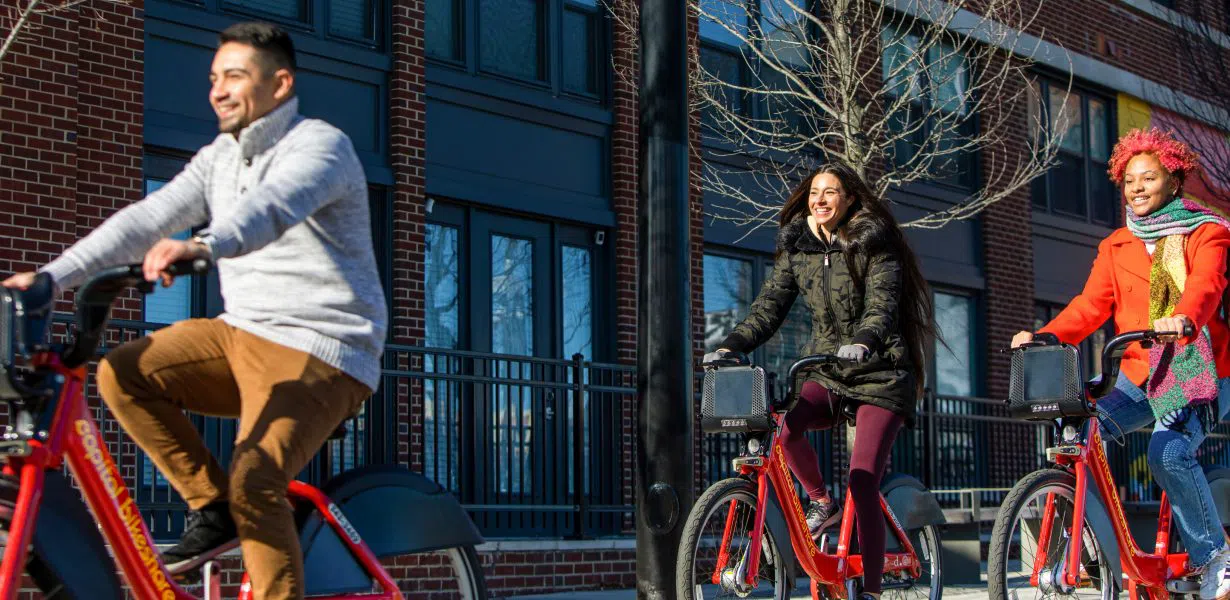
Capital Bikeshare (docks across the city) is the fix. A $10 day pass gives unlimited 45-minute rides on the classic bikes, far longer than any trip you will make between monuments; e-bikes cost $0.15 per minute on top of a day pass, or $1 to unlock plus $0.35 a minute without one. Passes are bought individually in the app, so there is no group booking to arrange, but a group of six should plan to split across two docks, because a single station may not hold six free bikes at nine in the morning or six free docks at five in the afternoon. That two-mile slog becomes five minutes.
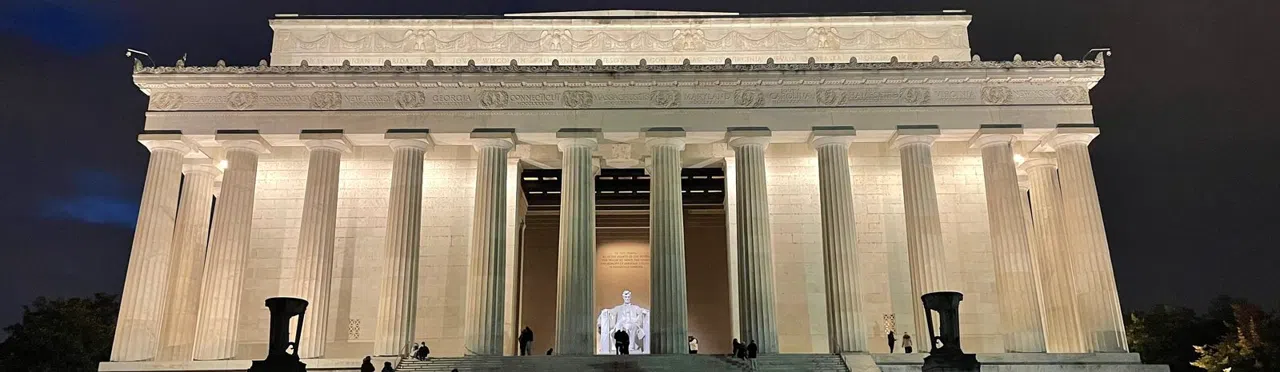
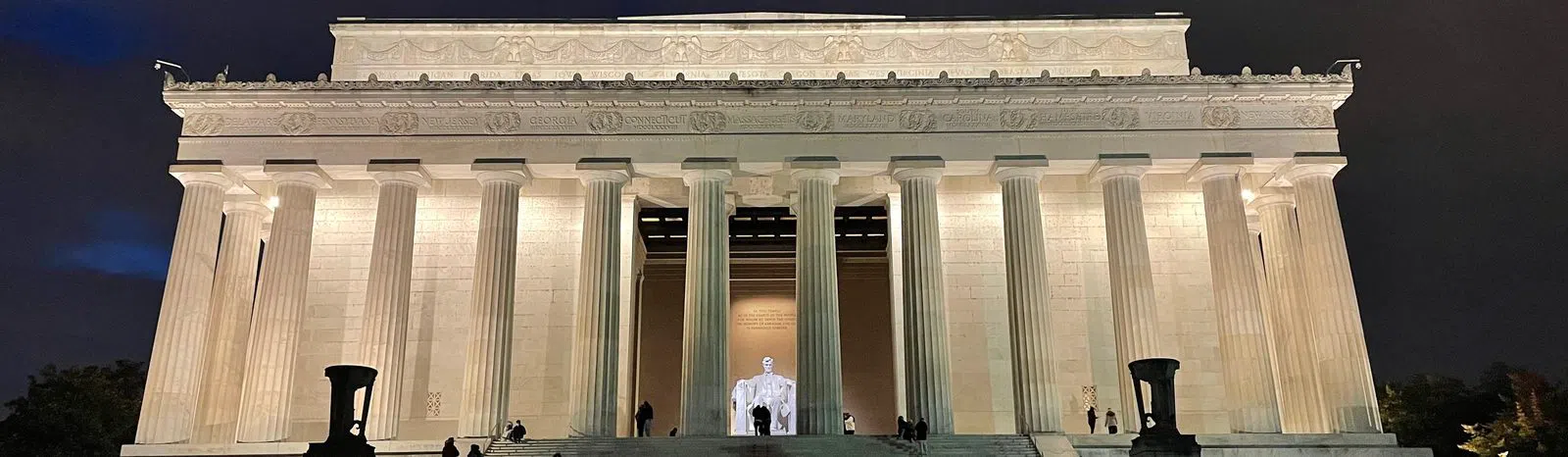
Lincoln Memorial (west end of the Mall) is free, needs no ticket and has no size limit, about a fifteen-minute walk from Foggy Bottom-GWU station, with a bikeshare dock at the foot of the steps. It is open around the clock, with rangers on duty from 9:30am to 10pm, and the honest advice is to come after dark: the chamber glows, the crowds thin, and the walk back down the reflecting pool is the best free thing in the city. Do not build a plan around the undercroft beneath the memorial; those tours are suspended indefinitely.
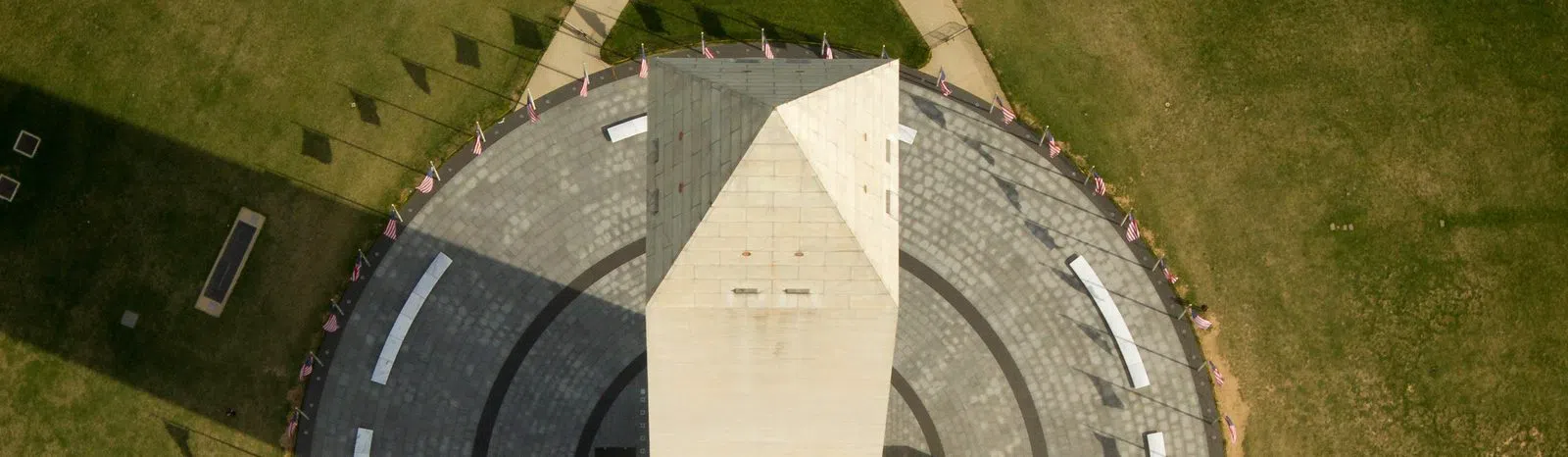
Washington Monument (centre of the Mall) is the only high viewpoint on the Mall and a 70-second lift ride to the top. Entry is free, with a $1 booking fee per timed ticket on recreation.gov, and getting hold of a ticket is the hard part. Tickets release 30 days ahead at 10am and disappear in seconds. Same-day tickets are handed out from 8:45am at the Washington Monument Lodge, with the queue forming from around 7am in summer. It opens 9am to 5pm and shuts one day a month for maintenance. A reservation covers up to six people, so a party of ten needs two bookings, and matching the time slots is harder than getting the tickets.
Who the trolley is for

Old Town Trolley Tours of Washington DC (loops the Mall and downtown) is the one paid substitute for a hire car that earns its keep. From about $55 per adult, it runs 15 stops with a trolley every 20 to 30 minutes between 9am and 4pm, and the ticket includes the free shuttle from the Lincoln Memorial stop across to Arlington National Cemetery. There is a dedicated group booking line, and it is built for groups.
Be clear about who should buy it. If you are travelling with small children, with anyone who cannot manage two miles in the sun, or with a party large enough that herding it onto trains is its own project, the trolley removes exactly the walks that break first-time itineraries. If you are two able walkers with a bikeshare pass and a Metro card, it is a $55 answer to a $10 problem.
The passes to book before you fly
Three of the Mall's museums are free, and two of them still need a timed pass, a distinction that catches people out at the door.
National Air and Space Museum (Mall, near L'Enfant Plaza and Smithsonian stations) requires a free timed-entry pass, and one person can book up to nine of them, which makes it the easiest of the big museums to organise for a group. The pass fixes your entry time only, not how long you stay. It is nearly through a multi-year rebuild, with eighteen redesigned galleries open and the last few arriving through the year, so the rooms you walk into are new.

National Museum of African American History and Culture (Mall, beside the Washington Monument grounds) is the hardest ticket in the city and the one most worth the effort. Advance passes go 30 days out; same-day passes are released online by 8:15am, which means an alarm instead of a queue. Groups of ten or more work on a separate schedule entirely, with passes released on the third Monday of each month at 9am for a month roughly two months ahead, so plan this one well before you fly. Allow half a day: the historical galleries run three floors below ground and you climb up through the chronology.
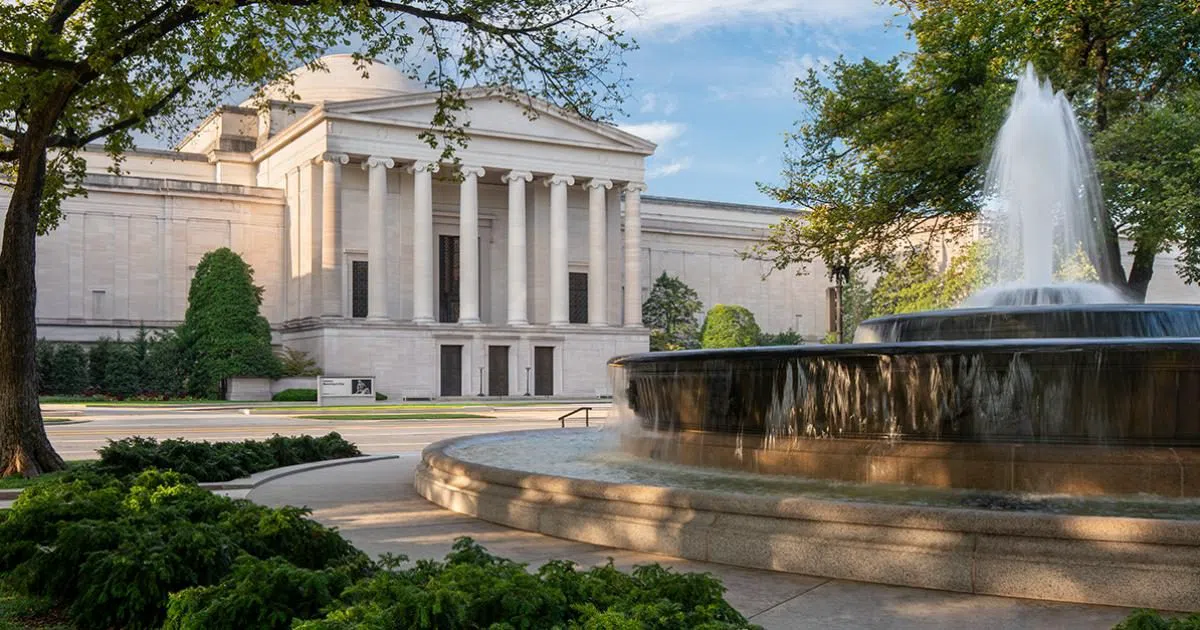
National Gallery of Art (Mall, between Archives-Navy Memorial and Judiciary Square stations) needs nothing at all: free, no ticket, no group cap, open daily 10am to 5pm. It is the reliable fallback when a pass didn't come through. In summer the Sculpture Garden stays open until 8pm Wednesday to Saturday with a happy-hour menu and jazz on Fridays, which is the best free evening on the Mall once the museums shut and everyone else is queuing for a car.
Capitol Hill in one flat morning
Capitol Hill is the part of Washington that rewards not driving most obviously, because three good things sit within a few hundred metres of each other and of their own stations.
United States Capitol Visitor Center (Capitol Hill, between Union Station and Capitol South) runs free hour-long tours through the Rotunda, National Statuary Hall and the Crypt, 8:30am to 4:30pm Monday to Saturday with the last tour at 3:20pm. Book a timed pass online; without one, arrive by 2:30pm at the latest to have a realistic chance of a same-day slot. Tours take groups, but the whole party must clear airport-style security together, so build in the time and do not scatter people across two entrances.
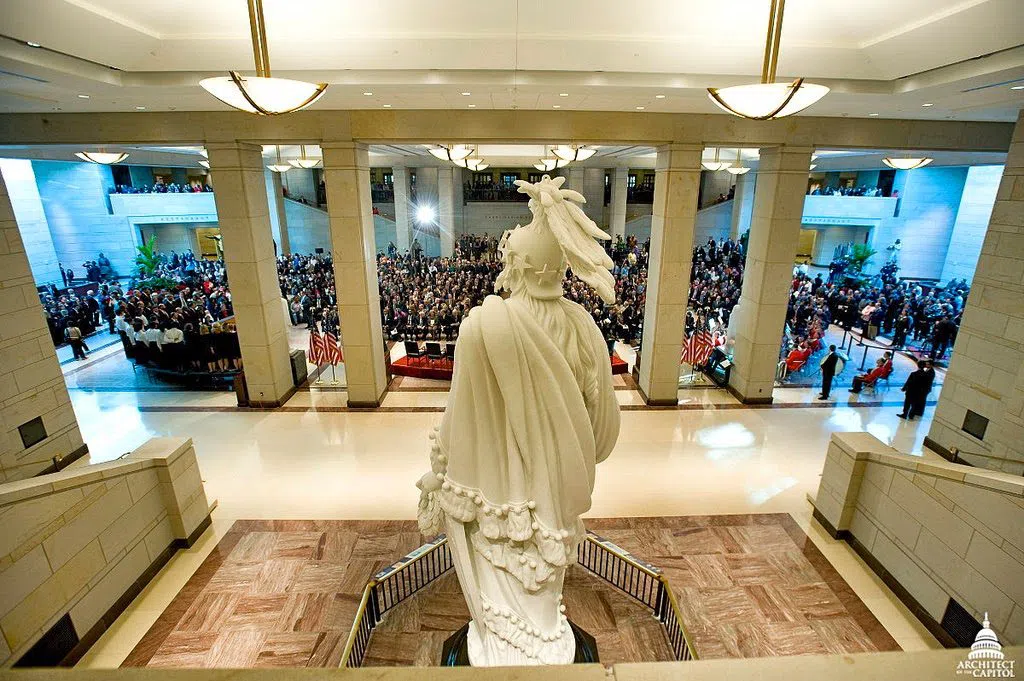
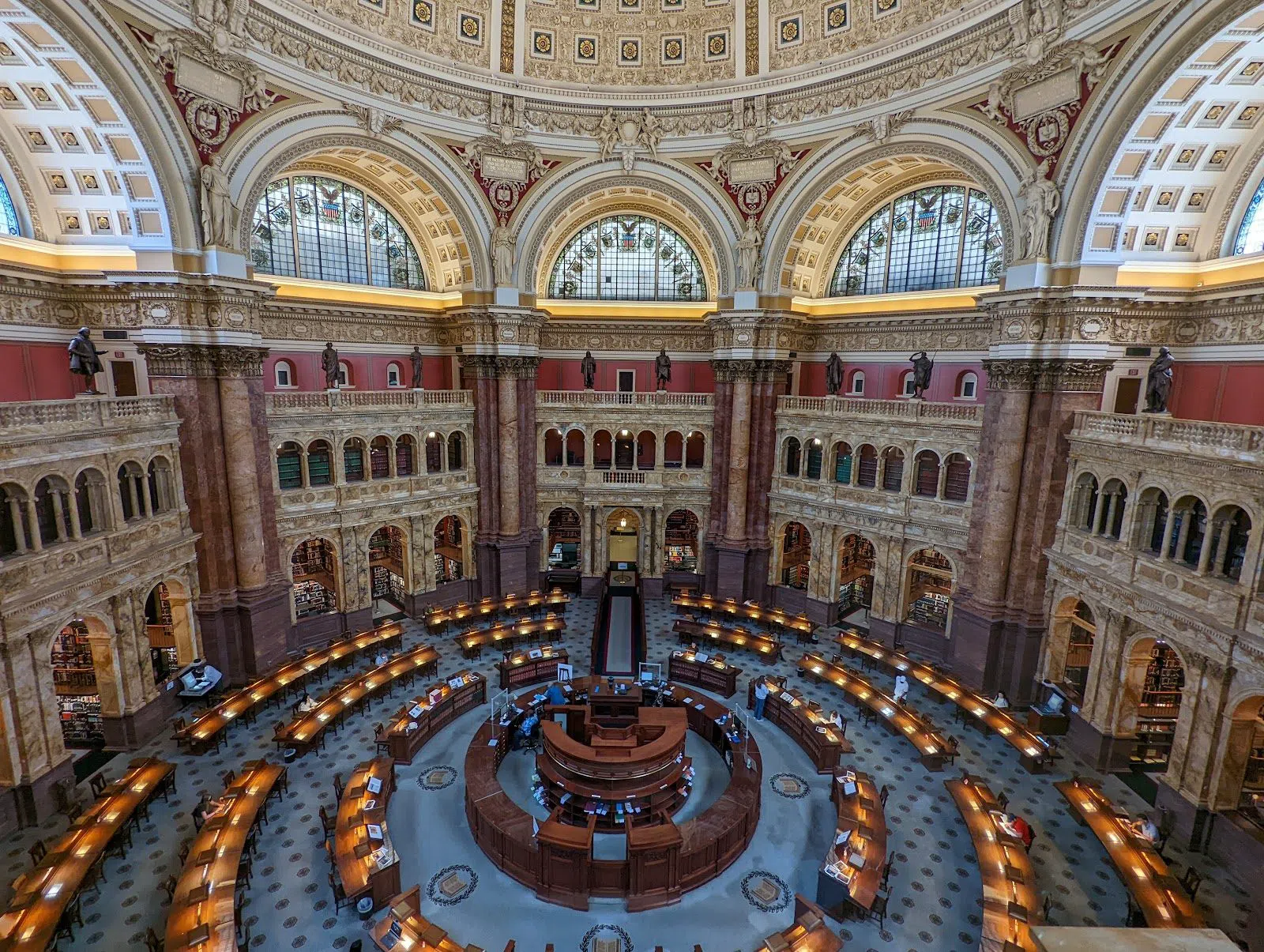
From there an underground tunnel takes you to the Library of Congress, Thomas Jefferson Building (Capitol Hill, two blocks from Capitol South), the most beautiful room in Washington and one that now lets visitors stand on the Main Reading Room floor instead of peering down from a gallery. Free timed-entry tickets are released 30 days ahead, with same-day tickets online from 9am; a group should book every ticket into the same slot and not assume they will be waved through together. Open Tuesday to Saturday, 10am to 5pm, with a free late opening from 5pm to 8pm on Thursdays that is much quieter than the middle of the day.
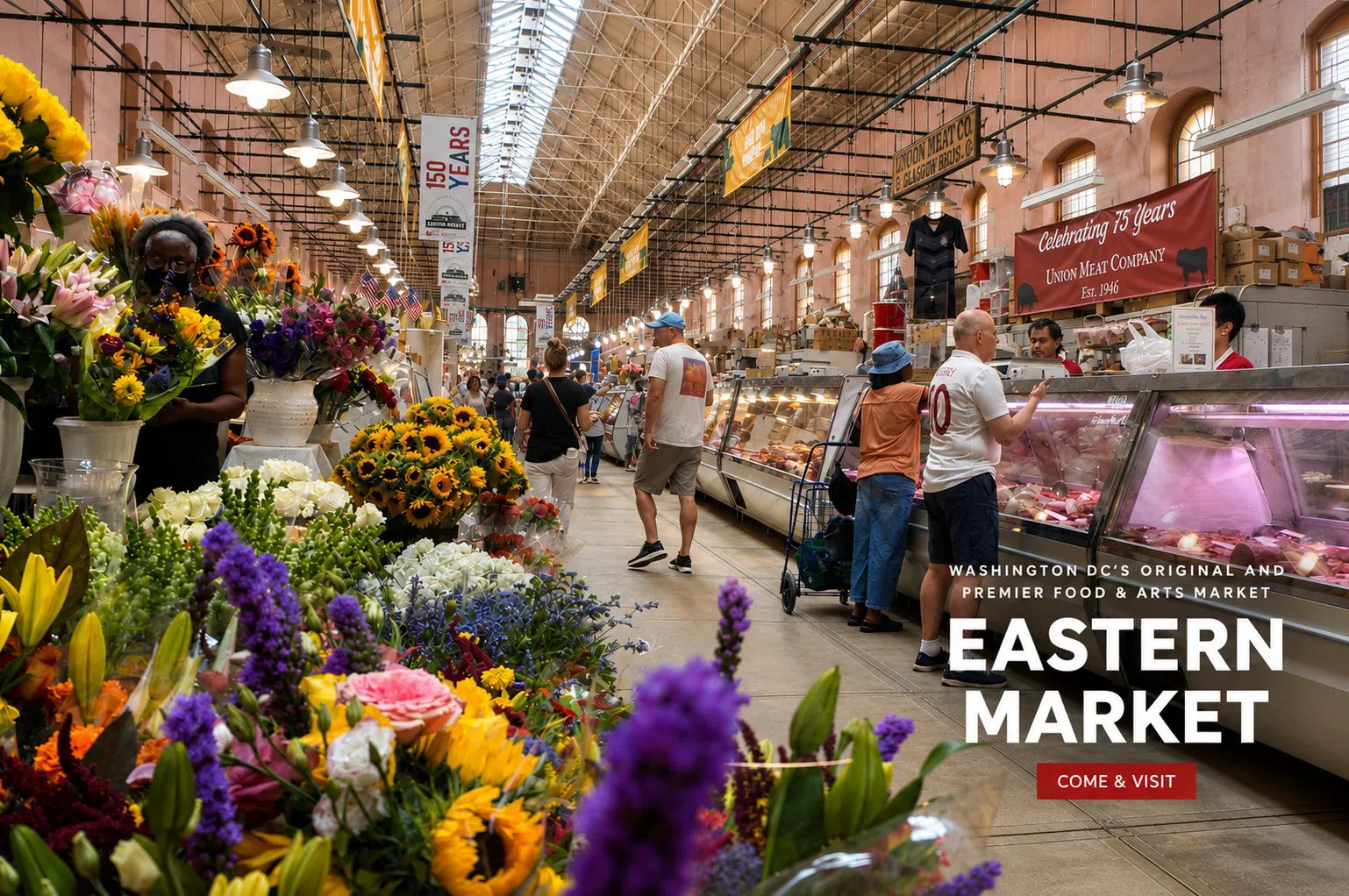
A few stops east, Eastern Market (Capitol Hill, one block from Eastern Market station on the Blue, Orange and Silver lines) is the oldest continuously running market in the city and the simplest food morning to reach without a car. Free to browse, with breakfast and lunch around $10 to $20. The indoor aisles are tight at Saturday peak, so a large group should either go early or spread out among the outdoor stalls, which run 9am to 4pm at weekends.
Arlington is on the Blue Line
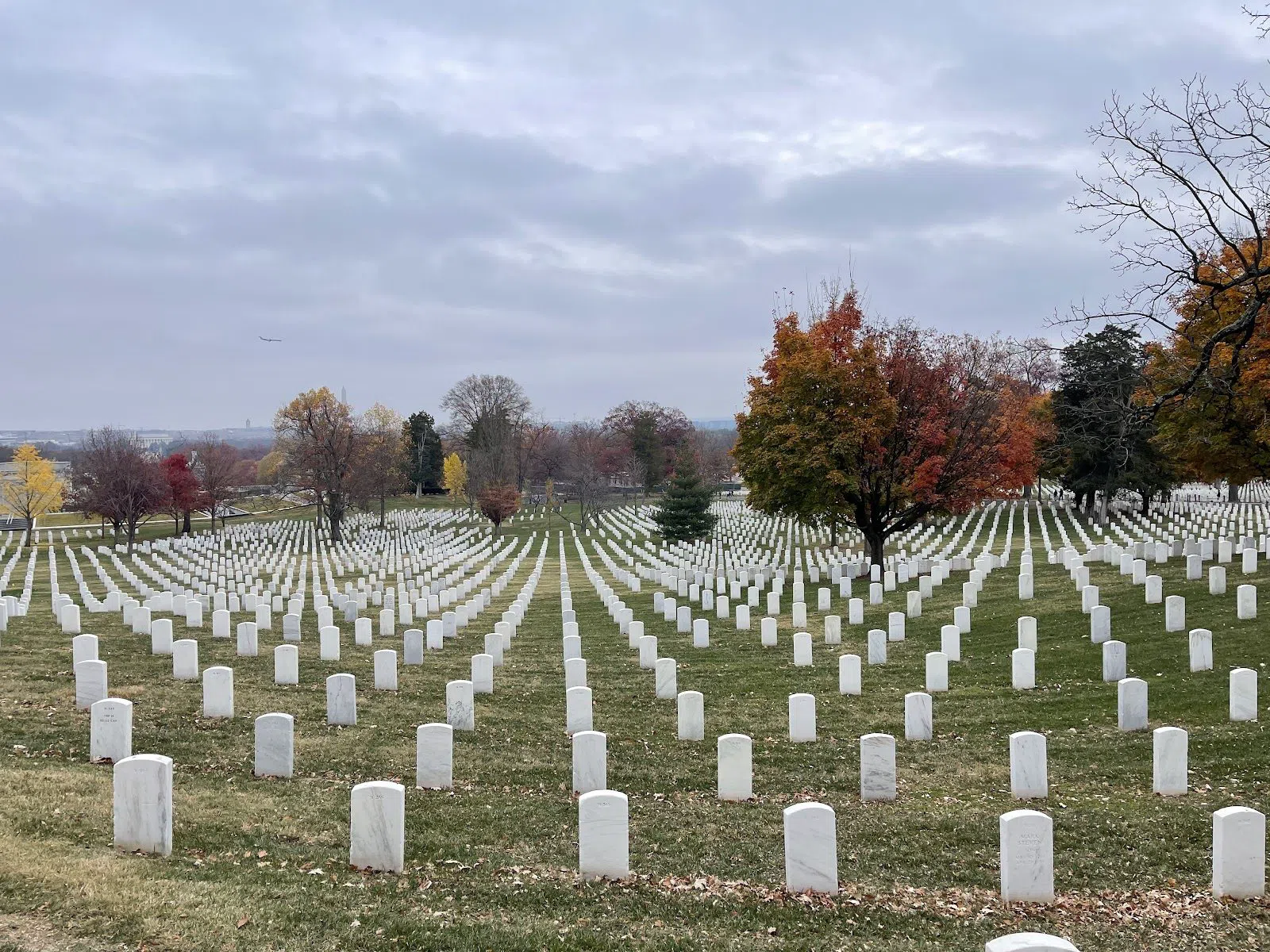
Arlington National Cemetery (across the Potomac in Virginia) is the one major sight outside the District that needs no car whatsoever: its own Blue Line station opens directly onto the Welcome Center. Entry is free with no group cap. The ground is hilly and the distances are longer than the map suggests, so the tram tour (about $21, leaving the Welcome Center every 30 minutes from 8:30am to 4pm) is the practical choice for anyone who cannot manage the climbs, and no embarrassment for anyone who can. Time the visit around the Changing of the Guard, which falls on the hour or the half-hour depending on the season.
The river works as a bus route
Potomac Water Taxi (Potomac Riverboat Company by City Cruises) (docks at The Wharf and Georgetown) is transport, not a cruise, and it covers water that no bus route serves. Fares run roughly $18 to $40 return depending on the route, linking the city's waterfront with Georgetown and with the ferry's Virginia and Maryland stops, Old Town Alexandria and National Harbor. It sails March to December, and the Georgetown leg stops earlier in the day than the others, so check the last sailing before you commit to dinner at the far end. Groups are welcome and there is a group and charter desk, but buy ahead online in summer: sailings sell out and the boat will not absorb a walk-up party of twelve.
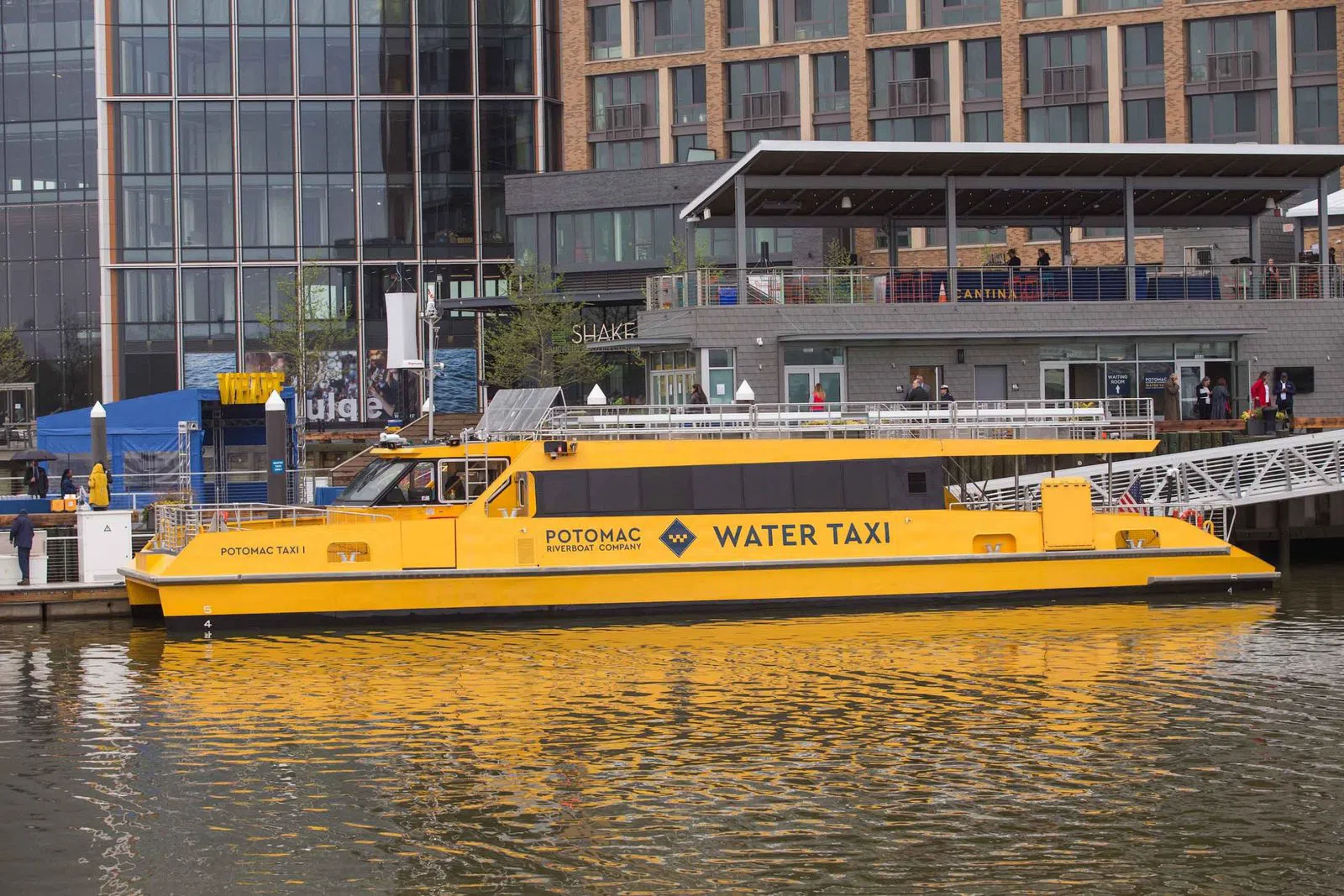
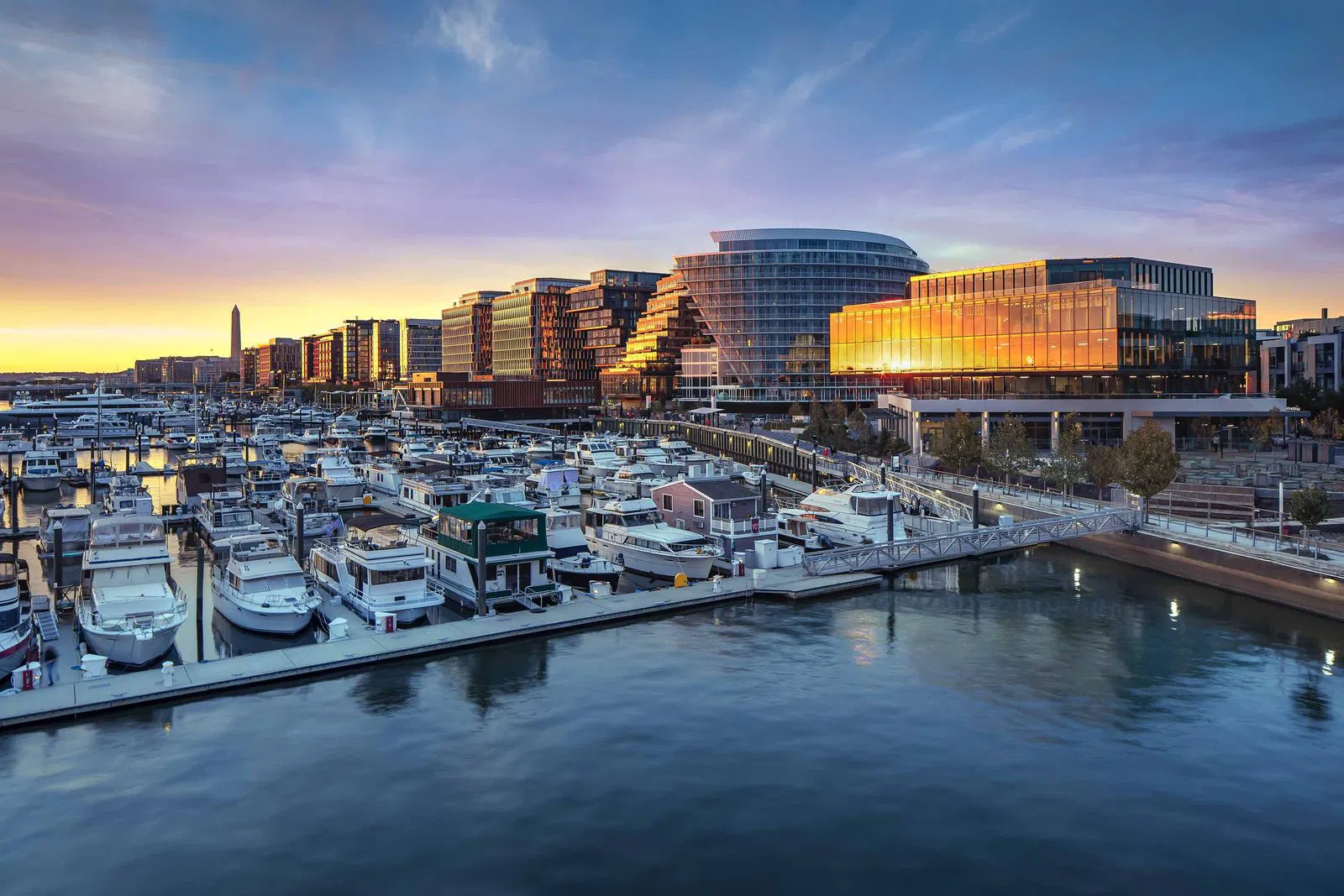
The Wharf (Southwest Waterfront) is where that all comes together, and it makes the best car-free evening in the city. It is an open district, free to wander, walk-in for groups, though the better restaurants want a booking and dinner runs roughly $30 to $80 a head. Waterfront station is one block away and a free SW Shuttle runs all day from L'Enfant Plaza. Eat along the boardwalk, then take the free jitney across the channel to East Potomac Park, or the water taxi up to Georgetown.
Evenings when the fares drop
After 9:30pm the Metro goes flat-fare, which changes what an evening can look like: crossing the city costs the same as a single stop. Ben's Chili Bowl (U Street) is back in business since 1 May 2026 after ten months shut for structural repairs (new wiring, plumbing and roof, with the 1958 counter intact), and U Street station is at the door. It is counter service with no bookings and under $20 a head. A large group should expect to queue and to eat in shifts, particularly late at the weekend, when it stays open until 4am on Fridays and Saturdays. Check the last train on your line before you plan a 4am bowl; the trains do not run as late as the kitchen.
What breaks a group plan
The pattern across all of this is that the free things are open to any number of people and the ticketed things are not. Metro, the Lincoln Memorial, Arlington, Eastern Market, the National Gallery and The Wharf will take a party of any size without notice. The Washington Monument caps a reservation at six. The Library of Congress and the Capitol want everyone booked into the same slot and, at the Capitol, through security together. The African American History and Culture museum puts groups of ten or more on a separate release two months out. Bikeshare docks cap you at whatever bikes happen to be there. Sort the ticketed list first, then build the free days around whatever times you were given.
Practical notes
Buy a $2 SmarTrip card at your first station or tap a contactless card; one per person. Add a $10 Capital Bikeshare day pass on any day that involves the Mall. Between them, that is the entire transport plan; the trolley and the water taxi are additions, not necessities.
Almost everything takes cards, including Metro gates and market stalls, but a little cash is useful at Eastern Market's outdoor traders and at a counter-service queue where speed matters.
Book the Washington Monument and both timed museums at the 30-day mark, or set an alarm for the same-day releases: 8:15am for African American History and Culture, 8:45am at the Monument Lodge, 9am for the Library of Congress. Museums shut at 5pm, so put monuments, the Sculpture Garden and the waterfront in the evening, when the light is better and the fares are lower.
A realistic car-free day for two runs about $20 on Metro, $20 on bikeshare passes, nothing on entry to most of the list, and $60 to $160 on dinner depending on whether you are at a market counter or on the waterfront. That is comfortably less than parking and a rental would cost before you had seen anything at all. For where to base yourself and what else is worth the day, the Washington guide covers the rest.
Before you go
Can I get from Reagan National Airport into Washington without a car?
Yes. Reagan National has its own station on the Metro's Blue and Yellow lines, a covered walk from the terminal. There is no booking: buy a $2 SmarTrip card at a machine, or tap a contactless card or phone on the gate, one tap per person. Fares run roughly $2.25 to $6.75 by distance and time, and a flat $2.25 to $2.50 after 9:30pm and all weekend.
Is the Metro enough for the National Mall, or should I use ride-hailing?
The Metro gets you to the edges of the Mall, with every first-time sight within a few blocks of a station, but it does not run along it. The gap that catches people out is the two treeless miles from the Lincoln Memorial to the Capitol. A $10 Capital Bikeshare day pass turns that into five minutes, and costs far less than the ride-hailing fares that spike when every museum closes at 5pm together.
How far ahead do I need to book Washington Monument and museum passes?
Washington Monument tickets release 30 days ahead at 10am on recreation.gov ($1 fee, six per reservation) and go in seconds; same-day tickets are handed out from 8:45am at the Washington Monument Lodge, where the queue starts around 7am in summer. Free passes for the National Museum of African American History and Culture also go 30 days out, with same-day passes released online by 8:15am. Groups of ten or more book on a separate schedule about two months ahead.
Can I visit Arlington National Cemetery without driving?
Yes. It has its own Metro station on the Blue Line, opening directly onto the Welcome Center, and entry is free with no group limit. The ground is hilly, so the tram tour (about $21, every 30 minutes from 8:30am to 4pm) is the sensible option for anyone who cannot manage the climbs. A day ticket on the Old Town Trolley also includes a free shuttle from the Lincoln Memorial stop.
What does a car-free day in Washington actually cost?
For two people, roughly $20 on Metro rides, $20 for two Capital Bikeshare day passes, nothing to enter most of the major sights, and $60 to $160 for dinner depending on whether you eat at a market counter or on the waterfront. Optional extras are the hop-on hop-off trolley from about $55 per adult and the water taxi at roughly $18 to $40 return.