The Washington issue
Washington With Kids Once You Have Walked the Mall
Fifteen places off the lawn: a zoo built on a hillside, a free hall big enough to run in, and a carousel with a closing date. They hold up when the monuments have had their turn.

By Noa BergströmThe District, one neighbourhood at a time

The National Mall is two miles of open lawn with almost no shade, and children work that out faster than their parents do. What follows is the rest of the city: a zoo built on the side of a valley, a marble hall where a six-year-old can sprint for nothing, a carousel that shuts for the season in late September. Most of it is free, much of it is reachable on the Metro, and all of it goes better if you plan around heat, hills and timed passes rather than against them.
Start at the top of the zoo and walk downhill

Smithsonian's National Zoo and Conservation Biology Institute (Woodley Park) is free, and it is also the place families most often get the admin wrong. Every visitor needs a free timed entry pass booked online. That includes an infant asleep in a sling, which is what catches people out at the gate. A limited number of same-day passes are released at the entrances, but treating that as the plan is optimistic on a weekend.
The second thing is the hill. The zoo occupies a real slope running down into the Rock Creek valley, and the entrance you choose decides how the afternoon ends. Come in at the top, from Connecticut Avenue, and the whole route falls away downhill past the pandas and the big cats. Come up from the creek side and you will be climbing back out with a child who has stopped negotiating. Cleveland Park station on the Red Line leaves you a flat walk of roughly eight minutes from the upper entrance; Woodley Park station, which sounds like the obvious stop, puts you at the bottom of the same gradient. Strollers and wheelchairs rent on site, which is worth doing even for a child who normally walks. Parking is charged per day and the lots fill early. School and company groups get dedicated planning and bus parking, so this handles a coachload better than almost anything else here.
Plan your Washington trip
Live prices from our booking partners.
Free cancellation on many rooms. We may earn a commission when you book.
Three rooms that hold a wet afternoon
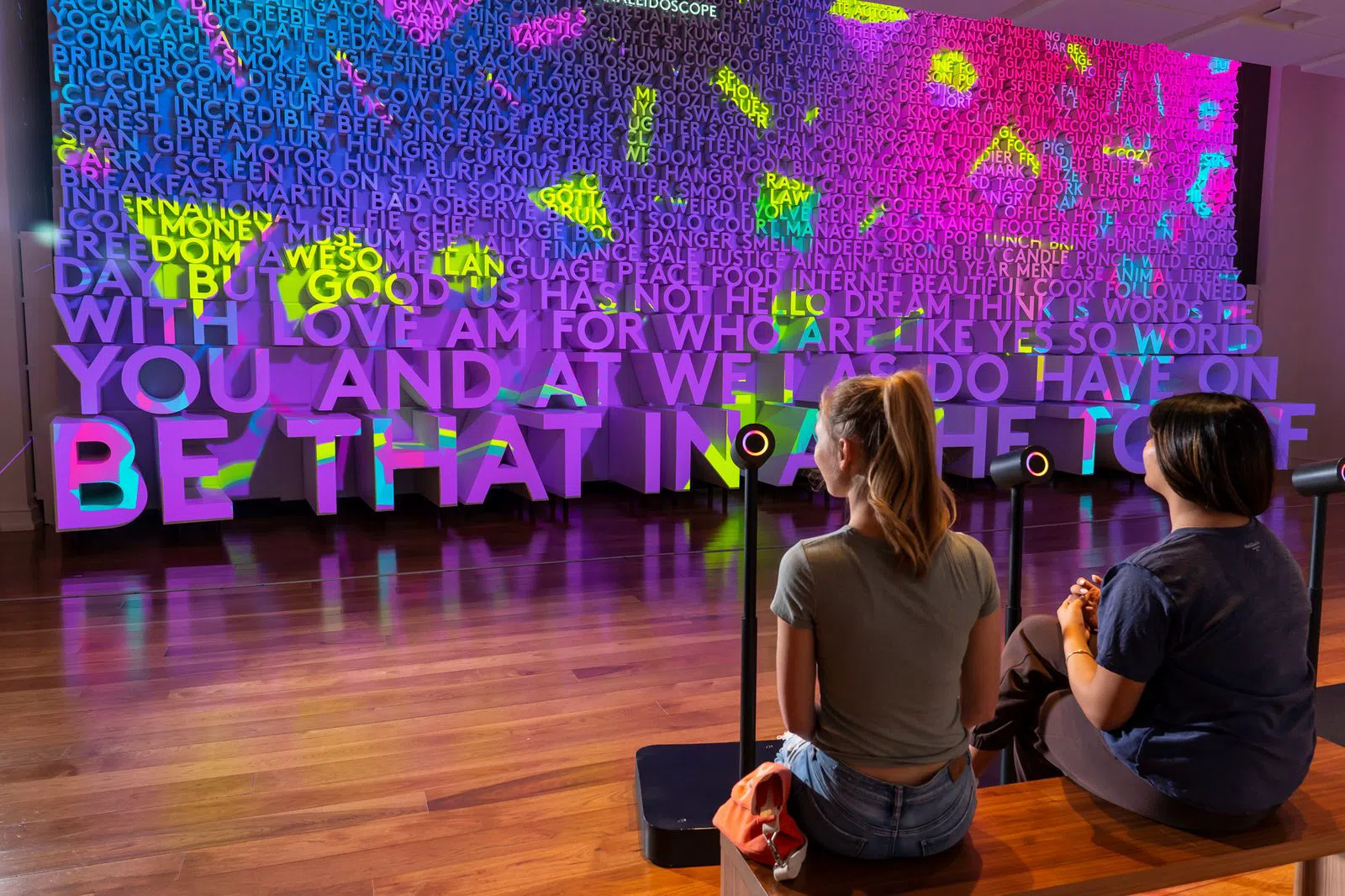
Summer here is humid enough that indoor days are half the itinerary rather than a fallback. Planet Word (Franklin Square, downtown) is the best of them for roughly ages five to twelve: an interactive museum where the exhibits respond to your voice and your hands rather than asking you to read a wall. Entry is free with a suggested donation and timed passes are reservable online. Because it costs nothing, it survives the scenario every parent knows, the small child who is finished after forty minutes. There is a formal group-visit programme and free guided tours if you are travelling with more than one family.
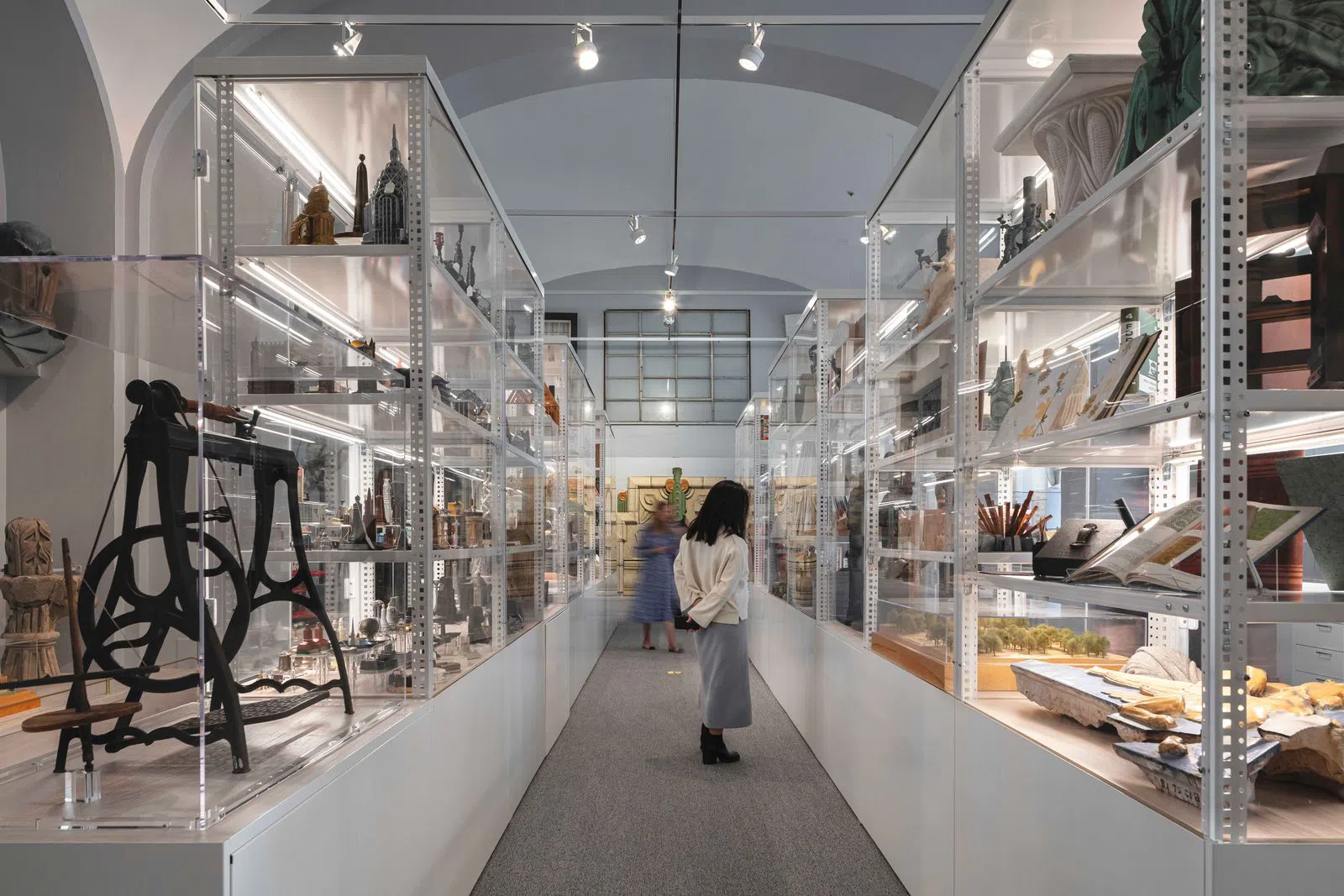
National Building Museum (Judiciary Square) sells itself before you buy a ticket. The Great Hall, raised in the 1880s as the Pension Building, is one of the great interior spaces in the country: a brick basilica with eight colossal Corinthian columns down the middle, and it is always free to walk into. An hour of running about under those columns costs nothing at all. Paying gets you the Building Zone for younger children and the big summer installation, THE PLAYGROUND, which runs through 30 August 2026. Adults are $18.95, youth and seniors $15.95. The museum opens Thursday to Monday and shuts on Tuesday and Wednesday, which is worth knowing before you build a day around it. School field trips and group tours are bookable.
International Spy Museum (L'Enfant Plaza) is the one full-price ticket on this list I would defend, and only for the right age. Each visitor takes on a cover identity at the start and completes missions as they move through the galleries, which reliably holds eight- to fourteen-year-olds for two hours. Under-sevens get much less from the text-heavy history floors, though there is a "Spies Under 9" family guide to work with. Tickets are timed, around $30 for an adult and less for children, and the advance plan-ahead pricing saves up to 30 per cent, so book the week before rather than at the door. Group visits and guided tours are available. For where these sit relative to the rest of the city, the Washington guide is the wider view.

Green space where children can simply run
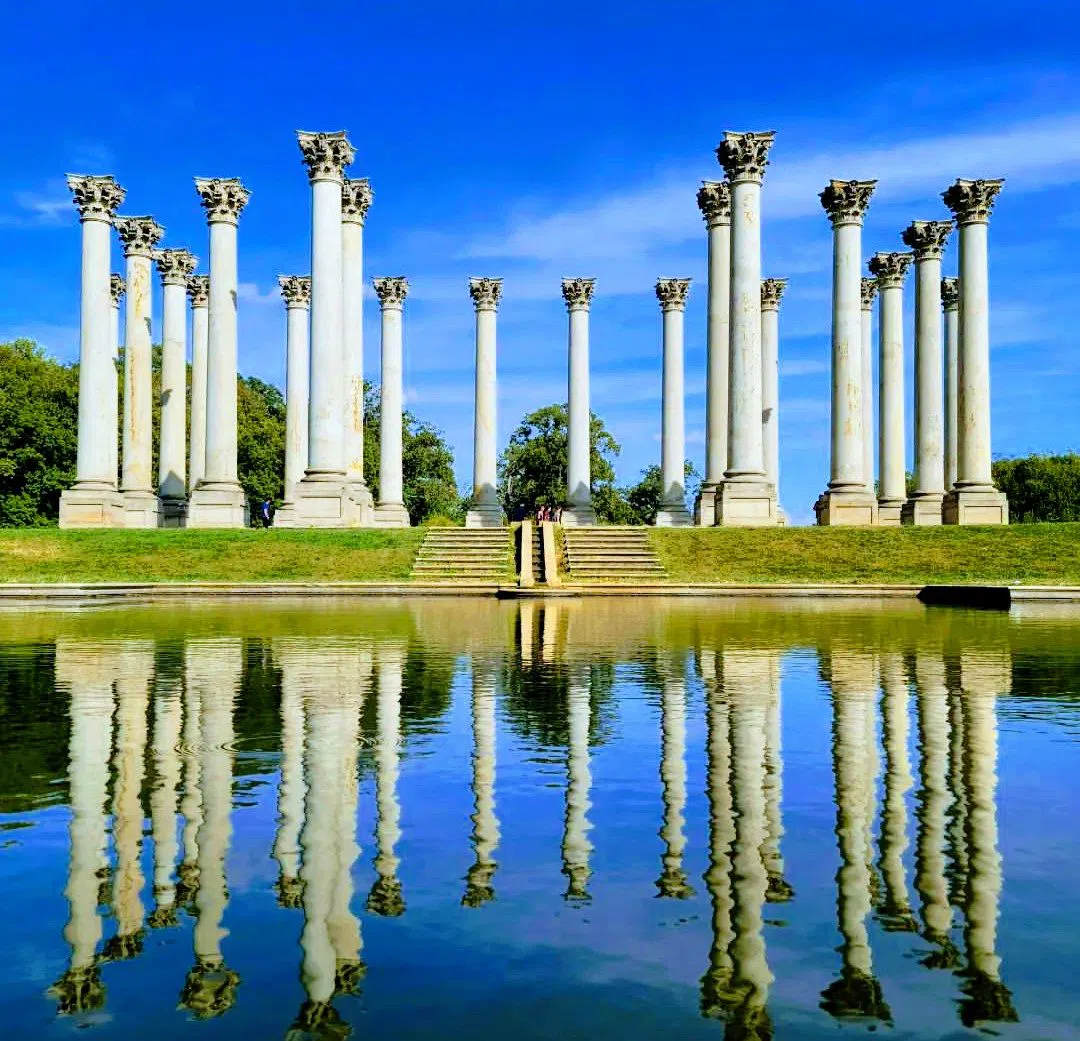
United States National Arboretum (Northeast, out past Ivy City) is 446 acres, free, and needs no ticket of any kind. The set piece is the Capitol Columns: twenty-two sandstone columns that once carried the east portico of the Capitol, now standing in an open meadow with nothing around them. It is the rare landmark in this city where children can run flat out at a monument and nobody minds. The bonsai courtyards are the counterweight: small, quiet, ten minutes with a young child and no longer. The Bonsai Museum keeps shorter hours, 10am to 4pm. Bring a picnic; food on site is minimal. The grounds absorb large groups and coaches without strain.

Kenilworth Park and Aquatic Gardens (Northeast, on the Anacostia) is the only national park in the country devoted to aquatic plants, and it makes a fine ninety-minute morning with small children on the boardwalk. Timing decides everything: lotus peak runs from mid-July into early August, and the flowers close in the afternoon heat, so this is a before-ten outing. There is a free Lotus and Water Lily Festival each July. It is a small site with limited parking, which makes it a poor fit for a coach and a good one for a single family.
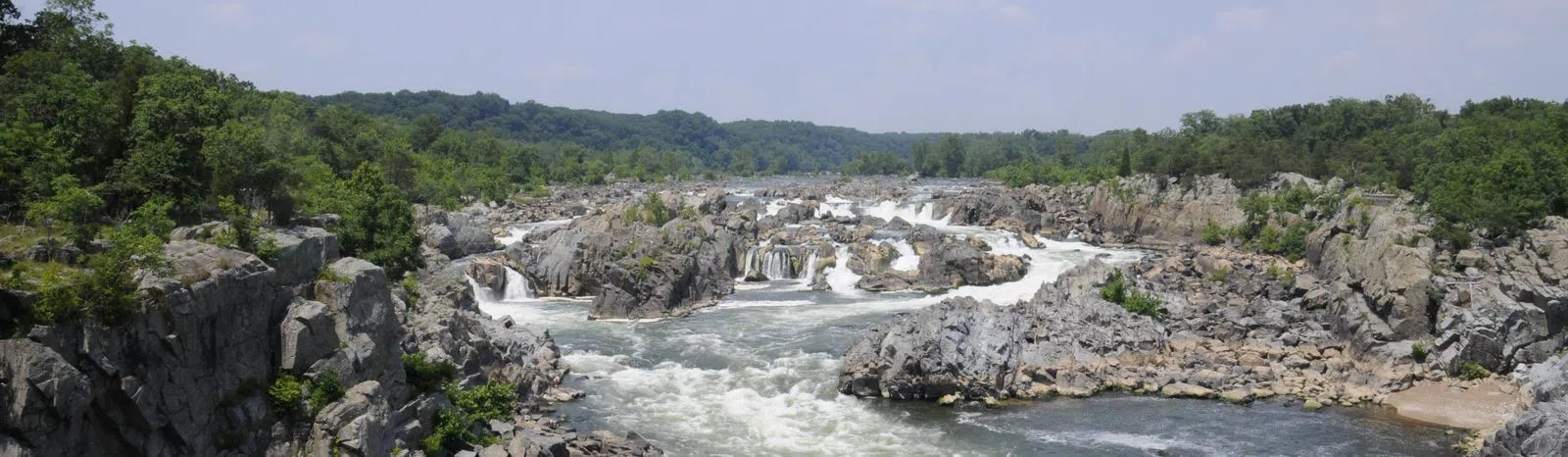
Great Falls Park (Virginia side of the Potomac, fifteen miles from downtown) is the most dramatic scenery within reach of the city, and all three overlooks are a short, flat walk from the car park, with no scramble and no mile of trail before the payoff. Entry is $20 per vehicle covering everyone for seven days, or $10 per person on foot or bike with under-16s free; the park is cashless, cards only. Two hard rules with children: keep them well back from the rocks, and understand that swimming and wading are banned because the river is genuinely lethal and does not look it. Parking fills at weekends, so arrive early.
Getting the family onto the water
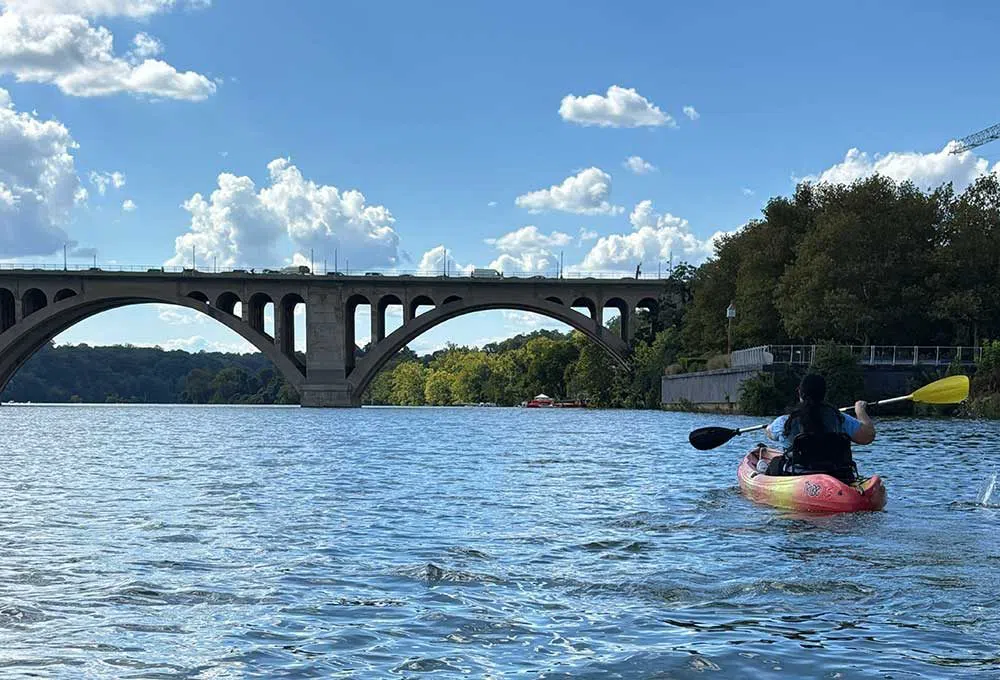
Key Bridge Boathouse (Georgetown) is the calmest stretch to put a family on the Potomac, with the monuments sitting small in the distance downstream. Run by Adventures Unbound, formerly Boating in DC, it takes walk-up hourly rentals of kayaks, canoes and paddleboards at roughly $10 to $30 an hour per boat, plus guided tours. Children must be accompanied and life jackets are provided. Groups need to book ahead. The season runs from about late March to late October, so this is out for a winter trip.
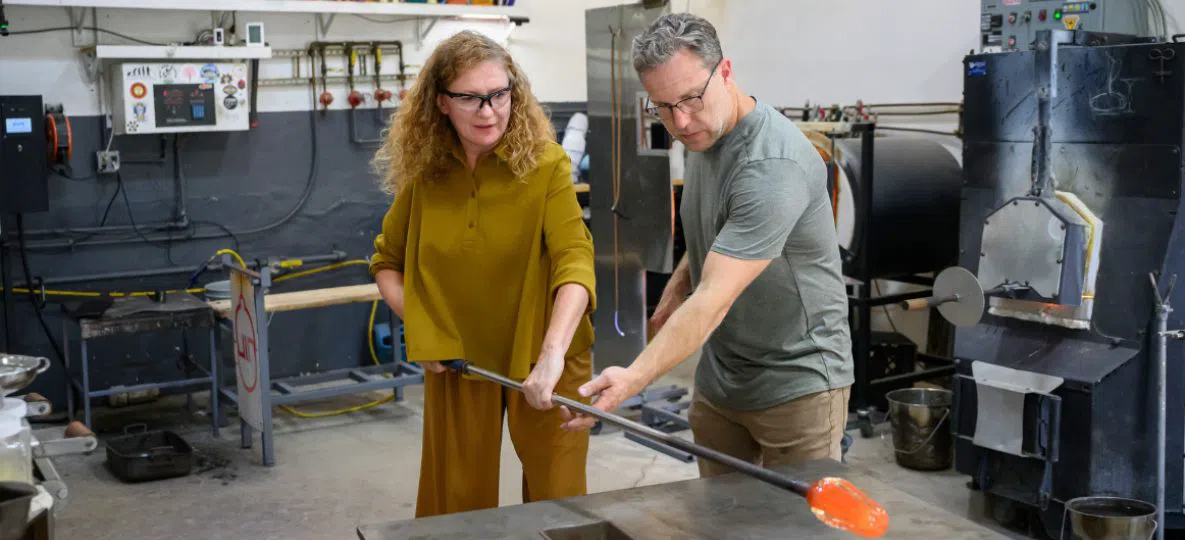
Torpedo Factory Art Center (Old Town waterfront, across the river) is free every day from 10am to 6pm and is the largest cluster of publicly accessible working artist studios in the country. Children can stand at arm's length while glass is blown and pots are thrown, and the Alexandria Archaeology Museum upstairs is a working dig lab rather than a display case. Individual studios keep their own hours, so a weekday morning is thinner than a Saturday. Group visits are arranged by email. Take the water taxi from The Wharf or Georgetown and the journey becomes half the outing.
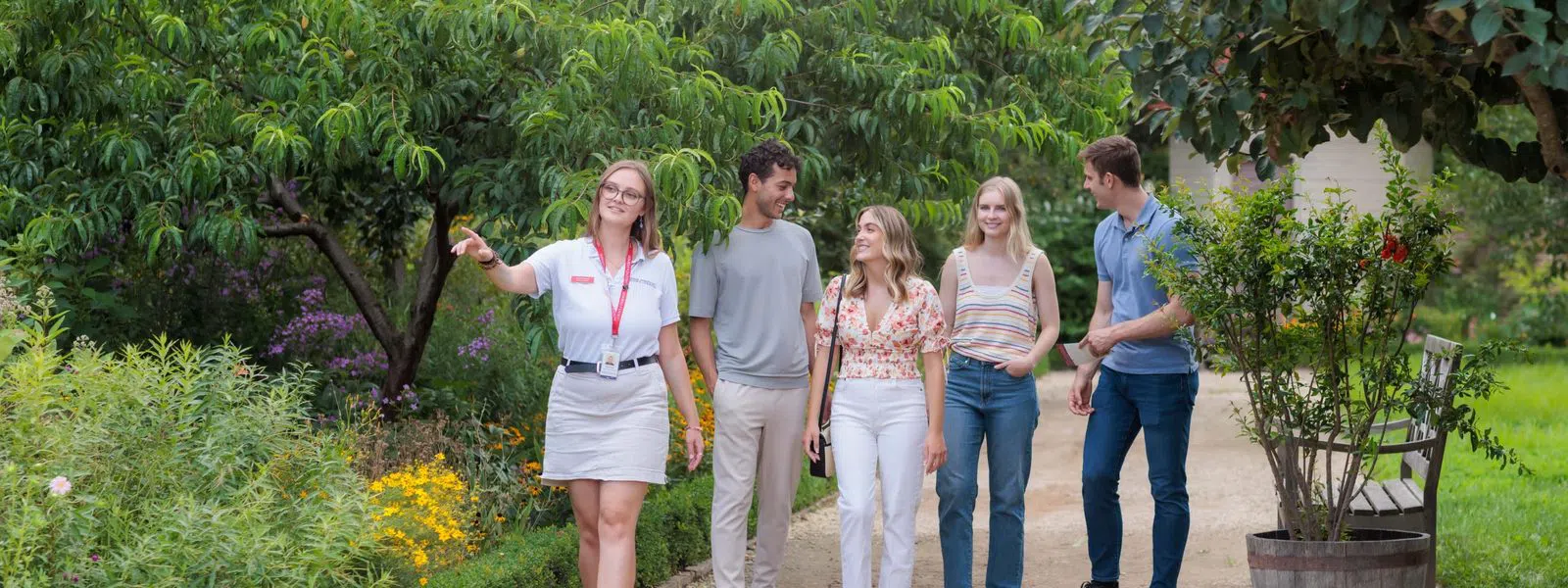
George Washington's Mount Vernon (the Potomac shore south of the city) works with mixed ages because the estate gives everyone somewhere to be. The pioneer farm, the animals and the riverside paths occupy younger children outdoors while adults take the mansion at their own pace. It opens 365 days a year, 9am to 5pm, closing at 4pm from November to March. Adults are $30, or $28 booked online at least three days ahead; youth aged 6 to 11 are $16 and under-sixes free. Groups of 20 or more get a set rate. Arriving by boat from The Wharf or the Old Town pier turns a history stop into a proper day out.
Two enormous free museums that need a car
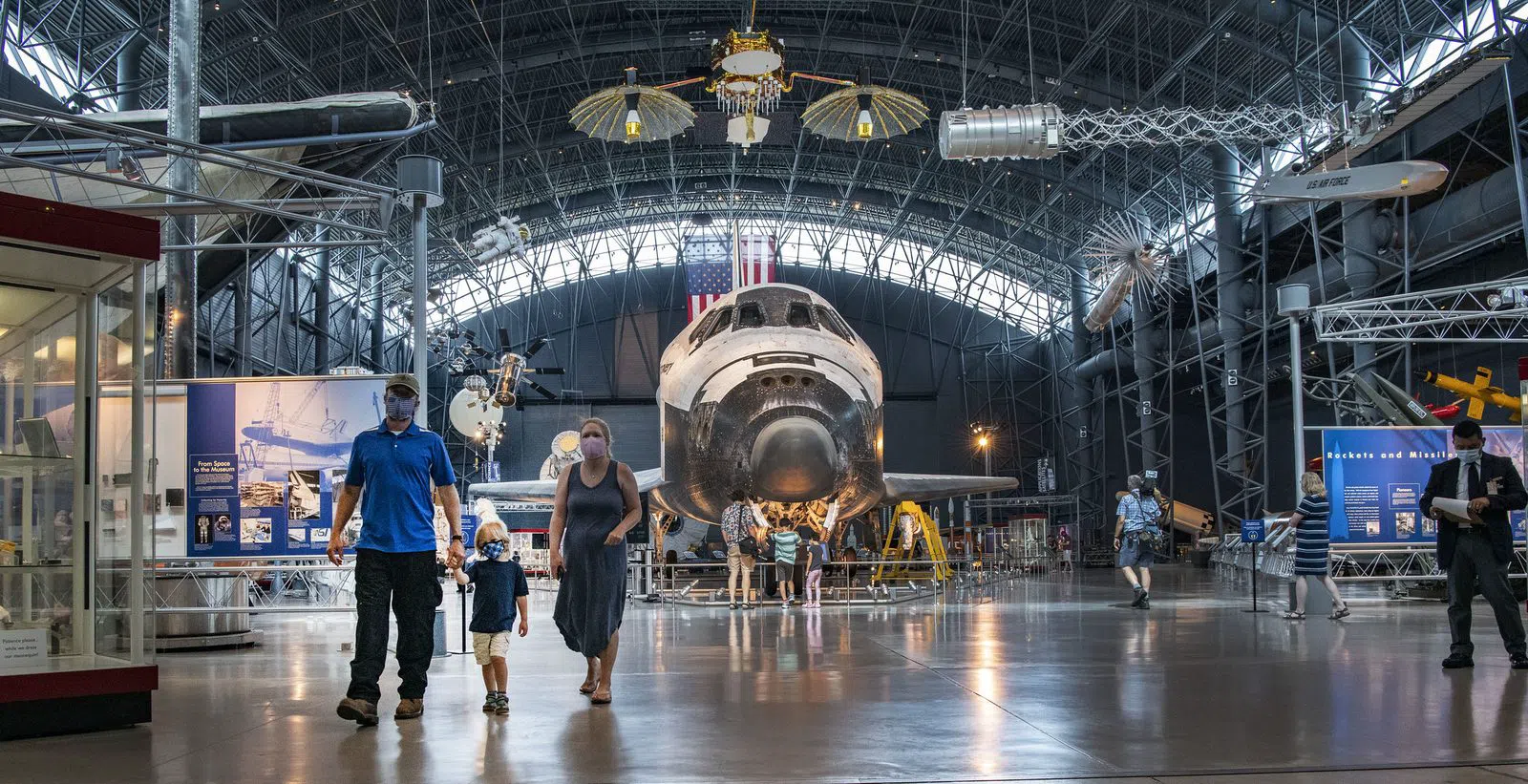
Steven F. Udvar-Hazy Center (out by Dulles airport) is the one that beats the Mall museums outright for an aircraft-obsessed child. It is a hangar the size of the aircraft in it, a real Space Shuttle and a real Concorde, with room to walk around them and none of the crowd crush of the downtown branch. Entry is free with no timed passes for general admission. Parking is about $15 per vehicle before 4pm and free after. The catch is distance: roughly 45 minutes out, and effectively a car or a rideshare, with no sensible transit route. Coach and school groups are routine here.
National Museum of the United States Army (Fort Belvoir) is the quiet alternative: vast, free and almost never busy. The Experiential Learning Center is built for children, with simulations and STEM stations rather than another case of medals. Free timed-entry tickets are reserved online and walk-ups are usually available; there is a group ticketing desk for parties above the online limit. It sits on an active military installation, so a car is needed and adults should carry photo ID.
A carousel with a closing date and a wheel that runs all year
Glen Echo Park (Glen Echo, upriver in Maryland) is a former riverside amusement park turned arts campus, and it has the best-value ride in the region: the Dentzel carousel at $2 a ride or $5 for an all-day pass. Every rider needs a ticket, babies on a lap included. The dates matter this year. The carousel runs midweek and weekends from 2 May to 27 August 2026, then weekends only through 27 September, which means an autumn visit has to fall on a Saturday or Sunday or there is no carousel at all. There is a sensory-friendly carousel hour on Wednesday mornings. Two long-running children's theatres share the site, Adventure Theatre MTC and The Puppet Co., and both take school and family field trips. Wandering the grounds costs nothing.
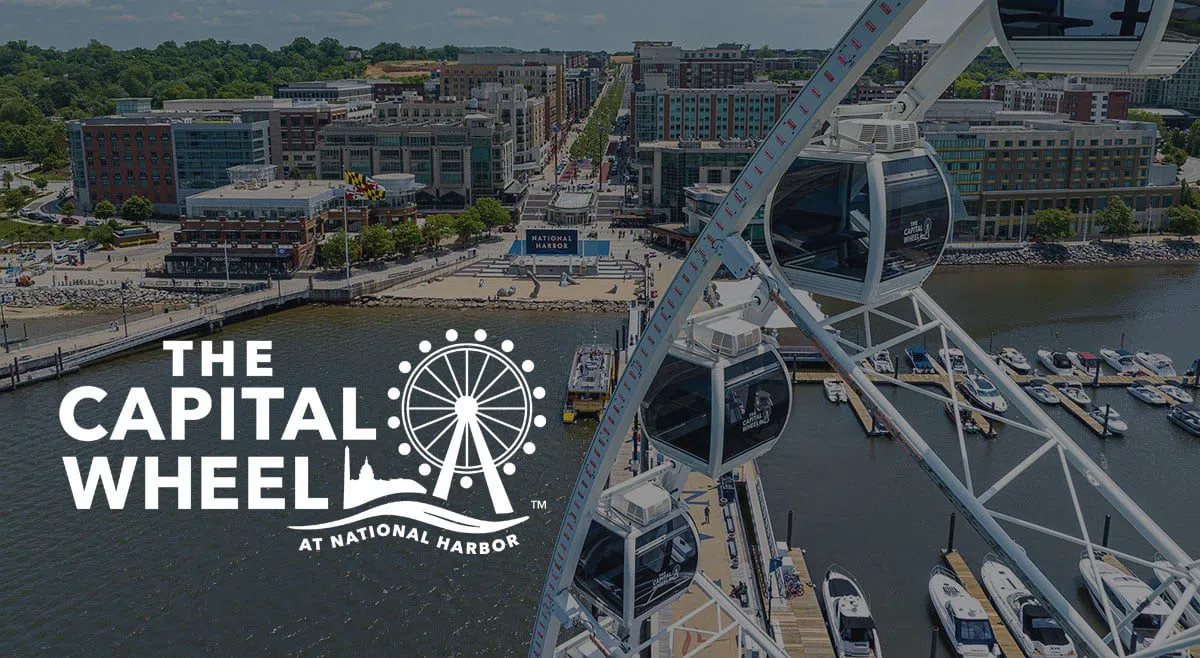
The Capital Wheel at National Harbor is the easy win on a day that has gone wrong: too hot, too wet, everyone flagging. Twelve to fifteen minutes in an enclosed, air-conditioned gondola with the monuments on the horizon, open year-round, Sunday to Thursday 11am to 10pm and Friday and Saturday 10am to 11pm. Adults $18, children $14.50, under-twos free, with group discounts above ten people through group sales. Underneath it on the beach, the half-buried Awakening sculpture, a giant hand and face rising out of the sand, costs nothing and holds children longer than the wheel does.
Two places worth the climb
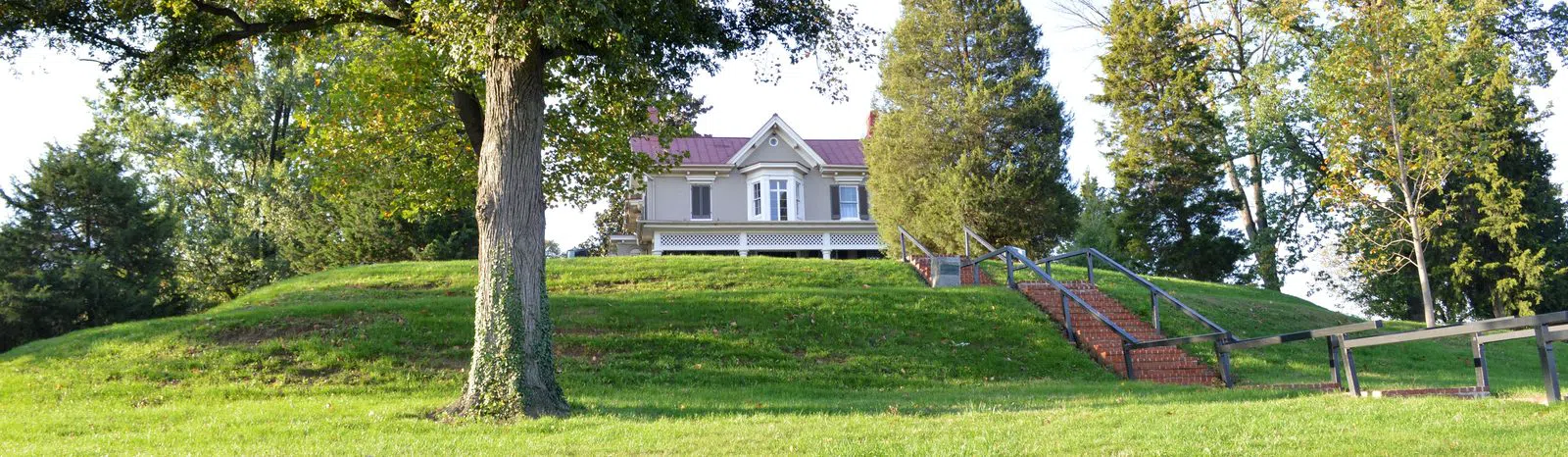
Frederick Douglass National Historic Site (Anacostia) is free, but the house can only be entered on a ranger-led tour, and that is precisely why it works with children: short, vivid, and told by a person rather than a placard. Reserve on Recreation.gov, where there is a $1 booking fee per ticket and tickets open six months ahead; groups of ten or more must reserve. Be ready for the approach, because the hill is steep and there are steps at the entrance. From the porch, the whole city lays itself out below in one glance, which explains its geography better than any map you will hand a nine-year-old.
Washington National Cathedral (Cathedral Heights) needs a hook, and the hook is gargoyles. Hand over a pair of binoculars, send children hunting along the roofline, and the building does the rest; the Moon rock set into the Space Window seals it. Self-guided sightseeing runs 10am to 5pm on posted days at roughly $15 for an adult and less for children, while worship is always free. Tower climbs are ages 11 and up. Monthly Family Fun Days are pitched squarely at ages 4 to 12 and run 10am to 2pm. Groups of 20 or more must reserve ahead, and it is worth checking the events calendar first, because services close sections of the building at short notice.
Practical notes
Metro reaches the zoo, Planet Word, the Building Museum, the Spy Museum and the Cathedral corridor comfortably; it does not usefully reach Udvar-Hazy, the Army museum, Great Falls, Mount Vernon or Glen Echo. Plan the week as a mix: Metro days in the centre, then one hire-car or rideshare day for two of the outliers grouped together, since the airport-side pair and the southern pair each sit near one another. Almost everything is cashless now, Great Falls explicitly so; carry a card and treat cash as optional, apart from small change for the carousel.
On timing: book the zoo pass, the Spy Museum ticket and the Douglass tour before you fly, in that order of urgency. September afternoons are still warm and humid, and the hills at the zoo and Cedar Hill are the two that actually hurt, so put both in the morning. Aim for one paid attraction a day at most; the free anchors (the Great Hall, the Arboretum meadow, Planet Word, the Torpedo Factory, the two big free museums) carry the rest without effort.
On budget, a family of four can fill three days for the price of one paid ticket, some parking and lunch. Where money does go, it goes on Mount Vernon and the Spy Museum, both cheaper booked in advance. For beds, the Woodley Park and Cleveland Park side puts you a short flat walk from the zoo and one Red Line ride from downtown, which is the best trade-off with young children; compare rates and locations through Washington hotel search before committing to a downtown block that empties at 6pm.
Before you go
Do we really need a ticket for the National Zoo if entry is free?
Yes. Admission costs nothing, but every visitor needs a free timed entry pass booked online, infants included. A limited number of same-day passes are released at the gates, but do not rely on them at weekends.
Can we do Washington with children without hiring a car?
Mostly. Metro covers the zoo, Planet Word, the National Building Museum, the International Spy Museum and the Cathedral, and water taxis run to the Torpedo Factory and Mount Vernon. You need a car for Udvar-Hazy, the National Museum of the United States Army, Great Falls Park and Glen Echo Park, so group those into one driving day.
What is the best rainy or very hot afternoon plan?
Planet Word for ages 5 to 12, the National Building Museum's free Great Hall for running about, or the Capital Wheel's enclosed air-conditioned gondolas, all of which work when the Mall is unbearable.
Is September a good month for a family trip?
It is, with two caveats. Afternoons stay warm and humid, so schedule the zoo hill and the steep approach at the Frederick Douglass site for the morning. The Glen Echo carousel runs weekends only from 28 August to 27 September 2026, so a ride there has to fall on a Saturday or Sunday.
How much should a family budget per day?
Very little if you lean on the free sites: the zoo, the Arboretum, Kenilworth, Planet Word, the Great Hall, the Torpedo Factory, Udvar-Hazy and the Army museum all cost nothing to enter. What you actually pay for is Mount Vernon at $30 an adult, the Spy Museum at around $30, Great Falls at $20 per vehicle, and parking, all cheaper booked ahead.